
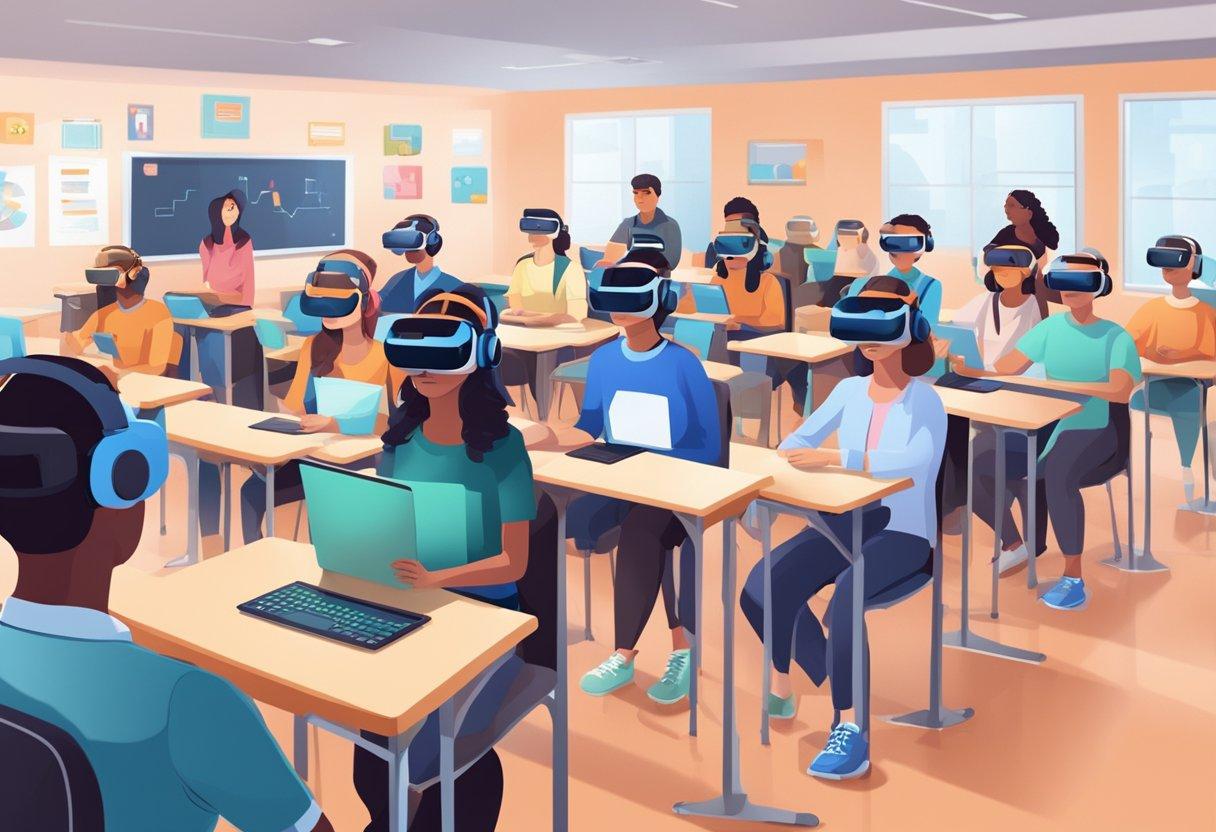
Affordable VR Solutions for Schools: Cost-Effective Options for Enhanced Learning
As education technology continues to transform classrooms, virtual reality (VR) is emerging as a powerful tool to immerse students in innovative learning experiences. Though, budget constraints can make integrating VR into school curriculums challenging. Fortunately, several affordable VR solutions for schools are available, providing cost-effective pathways to unlock the educational benefits of immersive learning. In this article, we’ll explore practical options, key benefits, and actionable tips for implementing VR without breaking the bank.
Why Virtual Reality in Schools?
Virtual reality for education introduces students to simulated environments,enhancing engagement,understanding,and retention. Whether traveling back in time to ancient civilizations or exploring the human body, VR enables experiential learning far beyond the conventional textbook.
- Active Participation: students interact directly with subject matter, leading to deeper understanding.
- Safe Exploration: VR allows safe experience of risky or inaccessible environments (e.g., space, volcanoes, labs).
- Differentiated Learning: VR supports diverse learning styles and paces, making lessons more inclusive.
- collaboration: Multi-user VR experiences foster teamwork and interaction.
Challenges Schools Face in Adopting VR
While the benefits are clear, several hurdles can hinder the implementation of VR in classrooms:
- Budget Restrictions: High-tech VR headsets or custom content can be expensive for schools.
- Technical Expertise: Teachers may be unfamiliar with VR setup and management.
- Content Accessibility: Finding relevant and curriculum-aligned VR educational content.
Fortunately, there are cost-effective VR solutions for schools that overcome these obstacles while maximizing learning impact.
Top Affordable VR Solutions for Schools
Here are popular,budget-friendly VR devices and platforms that offer excellent value for educational institutions:
1. Google Cardboard and Compatible Apps
- Device Cost: As low as $10 per viewer.
- How it effectively works: Students use their own smartphones (or shared devices) inserted into a cardboard headset.
- Content: Vast range of free or low-cost educational experiences through Google Expeditions,YouTube VR,and numerous AR/VR apps.
- Best For: schools looking for maximum affordability and ease of implementation.
2.Meta quest 2 (formerly Oculus Quest 2)
- device Cost: Starts around $299 per headset.
- Features: wireless, all-in-one VR system; no PC required; powerful enough for complex educational simulations.
- Content: Expansive library including educational apps like Wander, Tilt Brush, Anne Frank House VR, and subject-specific simulations.
- Best For: Schools seeking an upgrade from smartphone VR without the need for high-end PCs.
3. ClassVR
- Device Cost: Complete classroom VR kits starting around $400 per device (bulk pricing and educational discounts often available).
- Features: Designed specifically for schools; easy-to-use teacher portal for lesson planning and content management.
- Content: Curriculum-aligned VR experiences for all grade levels in STEM, art, geography, history, and more.
- Best For: Classrooms needing a ready-to-use and managed VR solution with technical support.
4. Merge VR Headset & AR Cube
- Device Cost: around $60–$70 per unit.
- How It Works: Durable foam headset used with smartphones. The Merge Cube adds interactive AR experiences.
- Content: Merge Explorer, object Viewer, and dozens of free educational apps.
- Best For: Younger students and schools prioritizing durability and hands-on AR/VR learning.
5. DIY Cardboard Solutions
- Device Cost: As low as $5 per headset with simple DIY assembly.
- Benefit: Students can build their own VR viewers in STEM or maker projects—combining hands-on construction with VR learning.
- Best For: Schools with vrey limited budgets and a focus on project-based learning.
Tips for Implementing VR Cost-Effectively in Schools
- Start Small: Pilot VR with a single class or subject before scaling up.
- Leverage Shared Devices: Use a VR station that rotates among student groups rather than one headset per student.
- Seek Grants and Partnerships: Look for educational technology grants, local business sponsorships, or partnerships with universities for discounted hardware and content.
- Use Free and Open content: Numerous platforms offer free VR field trips, museum tours, and subject-based simulations (see Google Expeditions and YouTube VR).
- Train Educators: Host workshops to demystify VR hardware and software for teachers. Peer mentors can support ongoing integration.
- Focus on curriculum Alignment: Choose VR content that fits seamlessly with lesson objectives to maximize classroom impact.
Case Studies: Affordable VR Making a Difference
Rural Middle School Enhances Science with Google Cardboard
In a nebraska middle school, teachers used a class set of Google Cardboard viewers and donated smartphones to give students virtual tours of the solar system. Engagement skyrocketed, with teachers reporting a 25% increase in science comprehension scores and higher classroom participation.
Urban Elementary Students Explore with merge VR
A Detroit elementary school utilized Merge VR headsets and cubes for interactive anatomy lessons. Teachers praised the tactile, hands-on approach, noting improved recall and student enthusiasm, especially among younger learners and those with special needs.
Benefits of Affordable VR Solutions in Schools
- Increased Engagement: Students are more motivated and attentive when immersed in 3D environments.
- Improved Retention: Experiential learning leads to better information recall over time.
- Equitable Access: Low-cost solutions make cutting-edge learning accessible to more schools, regardless of location or funding.
- Fostered Creativity: VR tools like Tilt Brush and cospaces empower students to create their own content, not just consume it.
Best Practices for Integrating VR in the Classroom
- Curriculum Integration: Weave VR activities into existing units, such as history field trips or biology dissections.
- collaborative Learning: Use VR projects for group discussions, reflection, and peer teaching.
- Balance Screen Time: Combine VR with real-world exploration, hands-on projects, and traditional discussions.
- Gather Feedback: regularly survey students and teachers to refine VR lesson plans and maximize benefits.
First-Hand Educator Experience
“Introducing affordable VR into my classroom was transformative. With even a few headsets, my students virtually visited the egyptian pyramids and the International Space Station. The technology sparked questions, creativity, and a love for learning I hadn’t seen before—all on a tight budget.”
– Mrs. Linda Hayes, social Studies Teacher
Conclusion: Bringing Affordable VR to Your School
Affordable VR solutions for schools are within reach for every budget, offering unparalleled opportunities to enhance learning and inspire curiosity. By choosing cost-effective options like Google Cardboard, Meta Quest 2, Merge VR, or DIY projects, administrators and teachers can empower students with immersive, memorable educational experiences. Start small, leverage available grants, and focus on engaging, curriculum-aligned content. The future of learning is here—and it’s more accessible than ever before!
Ready to bring affordable VR to your school? Explore these solutions and watch your classroom transform!