
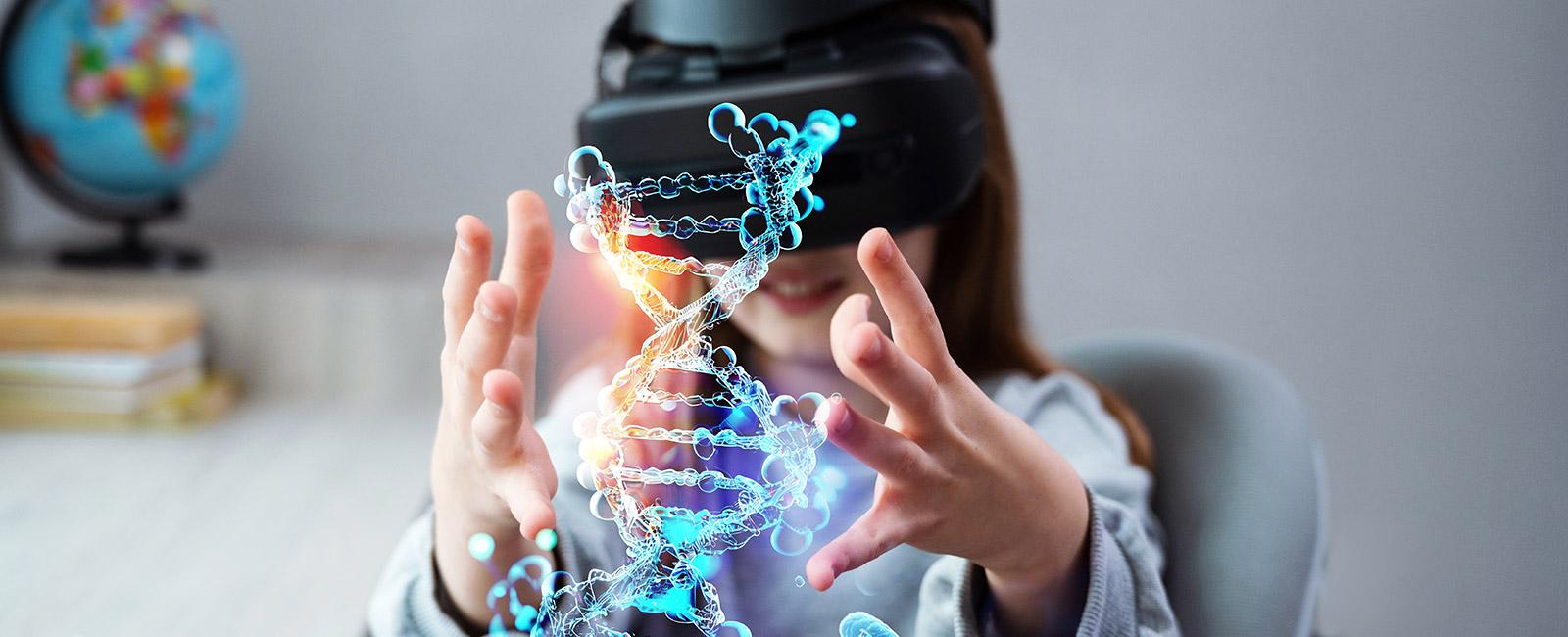
Affordable VR Solutions for Schools: Cost-Effective Options for Innovative Classrooms
The rapid growth of virtual reality (VR) in education has revolutionized the classroom experience,making learning more interactive,immersive,and impactful.While VR once seemed an expensive dream for most educators, today’s affordable VR solutions for schools have opened new doors for innovative, future-ready classrooms—even on a tight budget. In this article,we’ll explore the best budget-friendly VR options,key benefits,practical tips,and inspiring case studies to help your school embrace the power of VR without breaking the bank.
Why Choose VR in the Classroom? Major Benefits for Students and Teachers
- Enhanced Engagement: VR makes learning fun, fosters curiosity, and holds students’ attention with immersive experiences.
- Improved Retention: Studies show that students retain facts better when lessons are interactive and hands-on.
- Equal Opportunities: students can explore distant planets, ancient civilizations, or microscopic cells irrespective of location or school resources.
- Support for Diverse Learning Styles: Visual, auditory, and kinesthetic learners all benefit from the multisensory environments VR provides.
- Safe Exploration: VR allows for safe, risk-free practice in science labs, historical reenactments, or real-life scenarios.
- Global Collaboration: Virtual field trips and collaborative projects connect classrooms worldwide.
What Makes VR Solutions Affordable for Schools?
The key to cost-effective VR for classrooms lies in leveraging lightweight hardware, accessible software, and bundled educational solutions. Unlike custom high-end VR setups, today’s market boasts ready-to-use packages specifically designed for educators, often requiring little more than a mobile phone and inexpensive headsets. Here’s what to look for:
- Low-cost VR headsets: Cardboard or plastic viewers are durable, easy to use, and compatible with most smartphones.
- Mobile VR apps: Numerous free and affordable apps support curriculum-aligned content and interactive experiences.
- Subscription-based platforms: These offer a vast VR content library for a small annual fee, saving on expensive software purchases.
- Bundled classroom kits: Kits come with headsets, lesson plans, and teacher guidance—all designed for budget-aware academic environments.
Top 5 Affordable VR Solutions for Schools in 2024
Ready to bring virtual reality into your school on a budget? Here are the leading affordable VR solutions for schools that combine quality, accessibility, and cost-effectiveness:
-
Google Expeditions / Google Cardboard
Price: $10–$30 per headset
Features: Easy-to-assemble viewers; supports smartphones; educational VR tours and 3D content via Google Expeditions App (now integrated into Google Arts & Culture).
-
ClassVR
Price: Packages from $1,500 (set of 4-8 headsets)
features: standalone headsets; centralized teacher control; curriculum-aligned resources and lesson plans; designed for K-12 classrooms.
-
Merge EDU (Merge Cube & Merge Headset)
Price: Merge Cube $19.99, merge Headset $49.99; EDU platform subscriptions available
Features: Combines augmented reality (AR) and VR; hands-on STEM learning with 3D visualizations; compatible with most mobile devices.
-
Oculus quest 2 (Meta quest 2)
Price: Starting at $299 per device
Features: All-in-one wireless headset; wide app compatibility; scalable for small groups; suitable for older students and advanced VR applications.
-
ExpeditionsPro
Price: Free with optional upgrades
Features: A spiritual successor to Google Expeditions; supports VR and AR field trips on Android and iOS; teacher tools for managing classroom activities.
Tips for Implementing Budget-Friendly VR in Schools
- Start Small: Pilot one or two headsets per classroom before scaling up, gathering feedback from teachers and students.
- Use Existing Devices: Leverage students’ or school-owned smartphones and tablets for easy integration with low-cost VR viewers.
- Tap into Free Resources: Many VR platforms offer complimentary lesson plans, workshops, and sample experiences.
- Apply for Grants: Numerous educational and technology grants support the adoption of VR in K-12 settings.
- Professional Development: Train staff and appoint VR champions to help integrate VR activities into the curriculum.
- Consider Device Management: For larger implementations, use device carts or charging stations for easy setup and maintenance.
Case Studies: Success Stories of Affordable VR in Classrooms
Rural Middle School Adopts Google Cardboard
A rural school in Ohio integrated Google Cardboard VR viewers, costing less than $500 for 30 headsets. Teachers reported increased engagement in science and history lessons, and students enjoyed virtual field trips to national parks and world wonders.
Inner-City STEM School Implements Merge EDU
With a blend of Merge Cubes and free Merge apps, an urban STEM charter school introduced VR and AR for hands-on science labs and interactive math experiences. The setup required only their existing Android tablets and a few headset purchases, resulting in 95% student participation and improved test scores.
Firsthand Experience: A Teacher’s Perspective
“The first time my class used VR for a lesson on ancient Egypt, their excitement was amazing. Students explored the Pyramids and Sphinx up close using budget-friendly viewers and tablet devices. we saw immediate betterment in engagement and recall. It’s opened up a world of possibilities I never thought was possible with a tight school budget.”
— Emily Roberts, 5th Grade Teacher, Texas
How to Maximize ROI on Your School’s VR Investment
- Align VR Experiences with Curriculum Goals: Focus on platforms that support your learning objectives for maximum educational value.
- Promote Student Collaboration: group activities and peer-to-peer sharing amplify engagement and learning.
- Rotate devices Between Classes: Schedule shared headset use across departments to maximize device utilization.
- Collect Feedback and iterate: Regularly gather input from both students and teachers to refine VR integration.
- Maintain and Update Equipment: Regular care ensures longer hardware lifespan and better learning outcomes.
Conclusion: Bring VR Innovation to Your School—Affordably!
The era of immersive, innovative classrooms is within every educational institution’s reach—even for those with limited budgets. Thanks to affordable VR solutions for schools, students can travel anywhere, explore any concept, and practice real-world skills in a safe and engaging way. Whether you start with simple Google Cardboard viewers or opt for dedicated educational headsets like ClassVR and Merge EDU,implementing cost-effective virtual reality in the classroom is more achievable than ever.
By following best practices, leveraging free resources, and tapping into funding opportunities, your school can harness the full potential of VR. Make your next lesson an unforgettable journey—open the doors to a vibrant, tech-forward education for every student!