
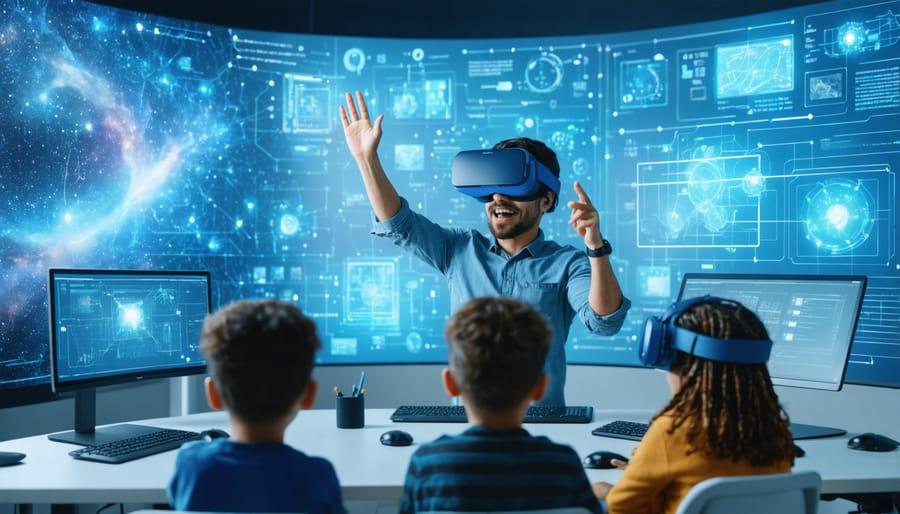
Affordable VR Solutions for Schools: Cost-Effective Options to Enhance Classroom Learning
Introduction: Unlocking the Potential of Virtual Reality in Education
as technology continues to revolutionize the way we learn and teach, virtual reality (VR) is emerging as a powerful tool in classrooms around the globe. While some schools have hesitated to embrace VR due to perceived high costs, a growing range of affordable VR solutions for schools is making this technology more accessible than ever. In this article, we’ll explore cost-effective VR options for schools, practical implementation tips, and real-world benefits, helping educators enhance classroom learning experiences while staying on budget.
Why Schools Should Invest in VR Technology
- Enhanced Engagement: Immersive VR experiences captivate students’ attention and boost motivation to learn.
- Experiential Learning: VR enables students to explore environments—such as the solar system, historical landmarks, or inside the human body—that would or else be inaccessible.
- Differentiated Instruction: VR adapts to diverse learning styles, helping teachers meet individual student needs.
- Safe Simulations: Students can practice skills and experiment within risk-free virtual labs or role-playing scenarios.
These advantages make it crucial for educators and administrators to consider affordable VR solutions as part of their school technology strategy.
Top Affordable VR Solutions for Schools
When selecting VR options for schools, it’s vital to find a balance between cost-effectiveness, ease of use, and quality of educational content. Here’s a look at some of the most popular and budget-pleasant VR tools:
1. Google Expeditions (VR with Cardboard)
- Overview: Google Expeditions is a classroom-centered VR solution using Google Cardboard—an ultra-affordable, smartphone-powered VR viewer.
- cost-Efficiency: Google Cardboard units cost as little as $10-$25 each. Many schools already have access to student smartphones for use with these viewers.
- educational Content: Google Expeditions offers 900+ VR tours covering science, history, geography, and more.
2. Oculus Quest 2
- overview: Oculus Quest 2 is a standalone VR headset requiring no PC or external sensors.
- Affordability: With a price point starting around $299 (often available with educational discounts), quest 2 delivers excellent performance and an expanding library of educational apps.
- Top Apps: Apps like Wander (virtual field trips) and ENGAGE (interactive lessons) align perfectly with classroom needs.
3. ClassVR
- Overview: ClassVR delivers an all-in-one solution, bundling affordable VR headsets, software, and teacher controls designed specifically for schools.
- Cost Structure: Custom school packages start from approximately $300 per headset, with volume discounts and support included.
- Features: Central device management, pre-loaded lesson content, and cloud-based classroom controls.
4. Merge EDU VR/AR
- Overview: Merge offers robust VR and AR solutions for education using the affordable Merge Cube and VR glasses compatible with smartphones.
- Affordability: Merge VR googles cost between $39-$59, and educational licenses are reasonably priced for schools.
- Unique Value: Combines AR and VR for hands-on science simulations and interactive content.
5.DIY smartphone VR Solutions
- Overview: Many cost-effective VR solutions for schools involve using students’ own smartphones with universal VR headsets.
- Budget-Friendly: Basic VR viewers are available for less than $20 per unit.
- App Compatibility: Access a wide range of free or low-cost educational VR apps on iOS and Android.
practical Tips for Implementing VR in the Classroom
- Start Small: Begin with a pilot program—one headset or viewer per group—to evaluate engagement and learning outcomes.
- Leverage Free Content: Utilize free VR apps (e.g., Google Arts & Culture, YouTube VR) to maximize value.
- Apply for Grants: Seek education technology grants and local community support to subsidize VR purchases.
- Train Educators: Provide professional growth to ensure teachers are cozy integrating VR into lessons.
- Plan for Device Management: Use device carts, secure storage, and charging stations to streamline classroom logistics.
Benefits of VR in Classroom Learning: Real-World Examples
What kind of impact do cost-effective VR solutions have in real schools? Let’s explore some inspiring case studies:
Case Study 1: Virtual Field Trips in a Rural School district
In a rural Midwest elementary school, teachers used Google Cardboard and free VR apps to take students on virtual tours of national parks and world monuments. With a total investment of under $500, students explored places they never thought they’d see, enhancing geography and social studies comprehension.
Case Study 2: science Labs on a Budget
A public high school integrated Merge VR cubes and headsets into their biology and chemistry labs. Students interacted with 3D models of molecules and cells, conducted virtual dissections, and previewed complex experiments safely—expanding science engagement without expensive lab equipment.
Case Study 3: Language learning Through Immersive Experiences
Teachers at a language magnet school used low-cost smartphone VR viewers to immerse students in real-world conversation scenarios,market visits,and cultural experiences—accelerating language fluency and cultural understanding.
Addressing Concerns: making VR Safe and Accessible
- Student Health & Safety: Limit session duration, follow age guidelines, and ensure proper hygiene with device cleaning between uses.
- Digital Equity: Seek technology grant funding or partner with local businesses to subsidize or donate devices for students without smartphones.
- Inclusive Content: Choose content and platforms that are accessible to students with disabilities.
With proper planning, affordable VR solutions for schools can be deployed safely and equitably, maximizing their positive impact.
Conclusion: Making Virtual Reality an Everyday Classroom Tool
The myth that VR technology is out of reach for schools has been dispelled. Thanks to a growing ecosystem of cost-effective VR solutions for schools, educators can create dynamic, interactive learning environments on modest budgets. By starting small, leveraging existing resources, and seeking out grants and community support, any school can take the leap into virtual learning and transform student engagement.
If you’re ready to enhance classroom learning with VR, consider one of the affordable options above.the future of education is immersive—don’t let your school miss out!