
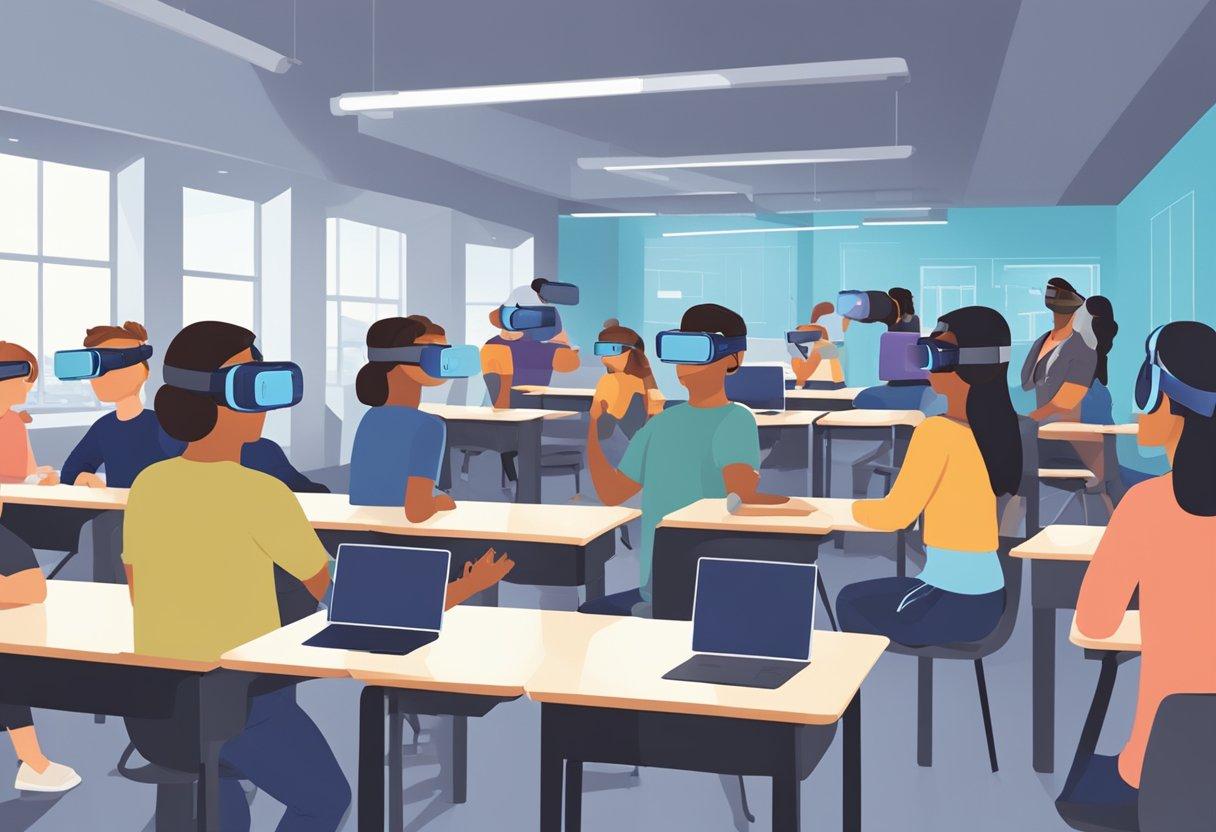
Affordable VR Solutions for Schools: Cost-Effective Options to Transform Classroom Learning
Introduction: The Power of Virtual Reality in Education
In recent years, virtual reality (VR) in schools has rapidly shifted from a futuristic concept to a practical tool for engaging students and enhancing the classroom experience.While VR was once considered prohibitively expensive, today’s market offers a range of affordable VR solutions for schools that fit within tight education budgets.Whether you lead an elementary classroom or a high school STEM lab,this guide will help you understand the best cost-effective VR options available—and how they can revolutionize student learning.
Why incorporate VR into the Classroom?
Before exploring specific tools, it’s essential to understand the key benefits of implementing VR in classroom learning:
- Immersive Engagement: Students can “visit” ancient civilizations, explore the universe, or dissect virtual frogs, leading to deeper understanding and retention of complex concepts.
- Inclusion and Accessibility: VR can provide unique experiences for students with different learning styles or disabilities, leveling the educational playing field.
- Real-World Skills: By simulating challenging scenarios, VR fosters problem-solving, teamwork, and digital literacy—skills critical for the 21st-century workforce.
- Safe Hands-On Practice: Virtual labs allow repeated experimentation without the risk or cost of physical materials.
The Criteria for choosing Affordable VR Solutions for Schools
When considering budget-friendly classroom VR tools, schools need to balance cost, compatibility, ease of setup, and content availability. Here’s what educators should look for:
- Price per Headset or License
- Durability and Maintainance Costs
- Device Compatibility (e.g.,Chromebooks,iPads,Android and iOS smartphones)
- Content Library and curriculum Integration
- Teacher Support and Training Materials
Keeping these criteria in mind ensures your investment delivers maximum educational value with minimal hurdles.
Top Affordable VR solutions for Schools in 2024
Here is a roundup of the most cost-effective virtual reality options designed for the classroom:
1. Google Cardboard & Compatible Apps
- One of the lowest-cost ways to start with VR—Google Cardboard viewers can be sourced for under $10 per unit.
- Works with most smartphones, using free or low-cost apps such as ExpeditionsPro for virtual field trips, science demos, and more.
- While limited in interactivity compared to advanced devices, its accessibility and affordability make it ideal for introductory VR projects.
2. Oculus Quest 2 (Meta Quest 2)
- Stand-alone VR headset with no need for wires or a powerful PC—Quest 2 is easy to use and available for under $300 per device.
- Access to a huge range of educational apps, from virtual labs to immersive storytelling.
- Durable design and centralized device management for classroom settings.
3.ClassVR
- All-in-one VR solution tailored for schools, featuring classroom management software and a large library of curriculum-aligned content.
- Bulk packages start around $500 per headset (with important discounts for multi-unit bundles).
- comes with sturdy storage and charging cases.
4. merge VR
- Foam-based, child-friendly VR viewers, typically priced at $50–70 per unit with access to a rich catalog of Merge EDU activities.
- Merge Cube adds AR/VR interaction—students hold and manipulate digital objects in the real world.
- ideal for science and STEAM subjects.
For BYOD (Bring Your Own Device) schools or those on ultra-tight budgets, DIY VR kits and open-source content libraries also provide flexible and low-cost starting points.
Tips to Maximize the Value of Classroom VR on a budget
Schools can stretch their educational technology budgets further by applying these practical tips:
- Start Small: Pilot with a single cart of headsets or a classroom set before scaling district-wide.
-
Leverage Free Resources: explore free VR content like
google poly archives or YouTube VR channel. - Integrate with Lesson Plans: Ensure VR activities tie directly to curriculum goals for better instructional outcomes.
- Collaborate & Share: Pool resources with neighboring schools or districts for better pricing or shared device libraries.
- Seek Grants and local Sponsorship: Many educational foundations support technology innovation in the classroom.
- Teacher Training: Invest in professional progress to help educators make the most of VR activities.
Case Studies: Real Schools, Real Results
Elementary Science in Action
Sunnydale Elementary School in ohio adopted Google Cardboard and Merge VR cubes for fifth grade science. Students explored the solar system, inspected the human heart in 3D, and visited the Great Barrier reef. Teachers reported a 42% increase in engagement and a meaningful boost in test scores related to those units.
Virtual Field trips in Rural Communities
Maple Ridge Unified, serving a rural area, used ExpeditionsPro on borrowed smartphones with inexpensive viewers. Students visited the Louvre,Amazon rainforest,and even the surface of Mars—experiences previously unimaginable due to budget or distance.
These examples highlight not only cost savings but also the transformative potential of well-planned VR rollouts in diverse educational settings.
Frequently Asked Questions about Affordable School VR
-
Is VR safe for children and teens?
yes, when used in moderation and with age-appropriate content. It’s advised to limit sessions for younger children and always have close teacher supervision.
-
Do we need high-speed internet for classroom VR?
Most VR activities can be downloaded in advance, minimizing the need for robust live connectivity.
-
Can VR promote equity in education?
Absolutely: it offers all learners the same immersive experiences,nonetheless of physical location or economic background.
Conclusion: taking the Leap into Affordable VR Learning
Affordable VR for schools is no longer a distant dream. With thoughtful planning and informed decision-making, even schools on limited budgets can transform classroom learning and student engagement. Whether you start with low-cost viewers or opt for dedicated, all-in-one systems, virtual reality in education opens up new worlds, fosters curiosity, and prepares students for the demands of tomorrow’s workforce.
Ready to embark on your own VR journey? Begin with a pilot program, tap into grant funding, and connect with other educators exploring affordable VR solutions. Remember—the next era of learning is immersive, and it’s within your reach!