
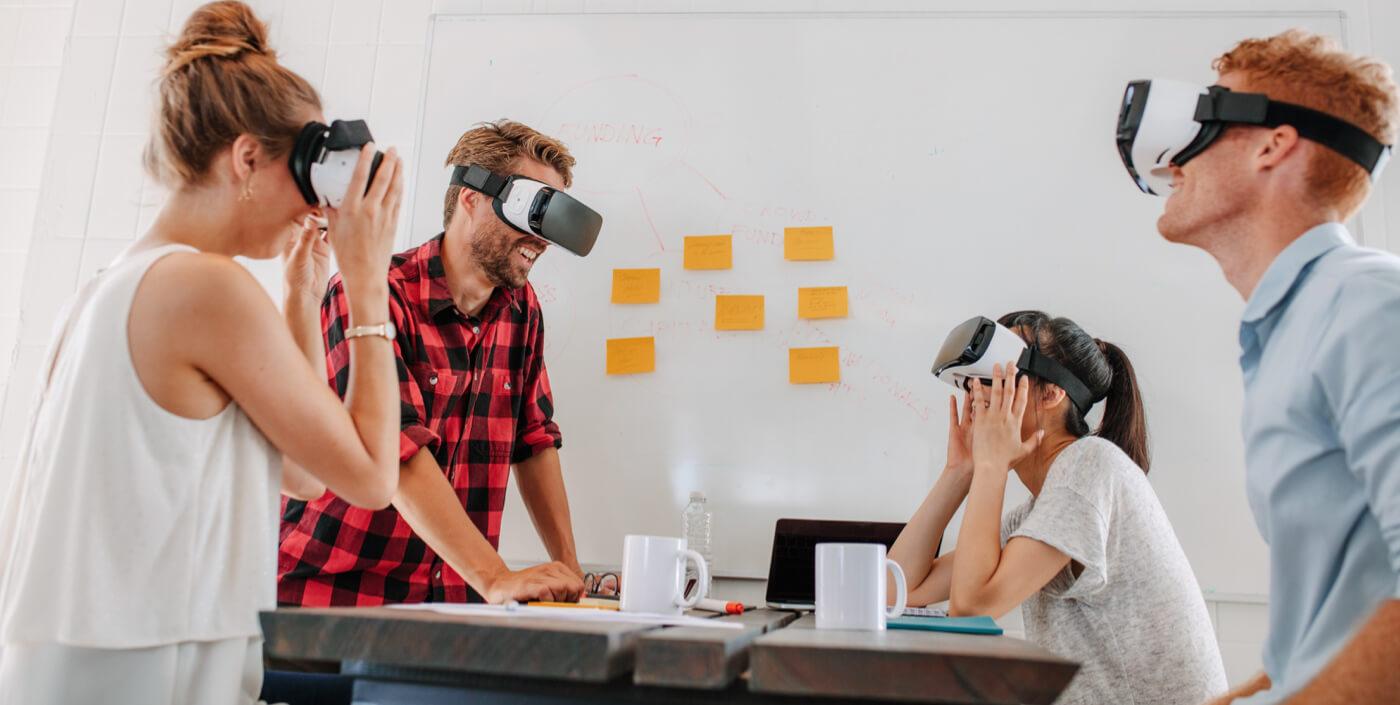
Affordable VR Solutions for Schools: Cost-Effective Technology for Engaging Education
virtual Reality (VR) is rapidly transforming the educational landscape, offering immersive experiences that make learning more interactive, engaging, and effective. However, manny schools face budget constraints that make integrating new technologies a challenge. thankfully, affordable VR solutions for schools are increasingly available, enabling educators to harness the power of cost-effective technology to foster engaging education without breaking the bank.
The Rise of VR in Education
VR technology allows students to explore new worlds, interact with complex concepts, and gain practical skills in a controlled, virtual environment. Its adoption in classrooms brings textbook lessons to life,using immersive experiences to enhance student understanding and retention. With the growing need for interactive and distance learning tools, affordable virtual reality solutions are bridging the digital divide in education.
Why Choose Affordable VR Solutions for Schools?
- Accessibility: Budget-pleasant VR options make innovative education accessible to more schools, regardless of size or funding.
- Scalability: Schools can start small,testing VR with a few devices,and gradually expand as resources permit.
- Student engagement: Interactive environments foster curiosity and participation, vital for effective learning.
- Curriculum Enhancement: VR brings abstract concepts to life, making subjects like science, history, and art more tangible.
- Professional Development: Affordable VR hardware and software enable teacher training and ongoing professional growth.
Top Affordable VR Solutions for Schools
Integrating VR into the classroom doesn’t require a massive investment.Here are some leading, cost-effective VR platforms and devices tailored for schools:
1. Google Expeditions (Now Part of Google Arts & Culture)
- Description: Offers thousands of free, curriculum-aligned VR experiences accessible via smartphones.
- Requirements: Inexpensive cardboard VR viewers and existing student smartphones or tablets.
- Highlights: Simple to setup, no costly hardware needed, and supports group learning with teacher controls.
2. ClassVR
- Description: All-in-one VR headset specifically designed for education, with a robust online portal of educational content.
- Requirements: Starts with individual headsets, no additional devices necessary.
- Highlights: Classroom management tools,lesson plans,and affordable subscription-based pricing.
3. Oculus Go & Meta Quest 2
- Description: Standalone VR headsets with access to a growing library of educational apps.
- Requirements: No computer or phone needed, making deployment more convenient.
- Highlights: Versatility for different grade levels; durable, all-in-one hardware offers great value for money.
4. Merge VR
- Description: affordable and durable VR headsets designed for kids, combined with interactive augmented reality features.
- Requirements: Works with existing iOS/Android smartphones.
- Highlights: Access to the Merge EDU platform, hands-on digital science simulations, and VR field trips.
5. Veative VR
- description: Modular, affordable VR learning platform focused on STEM and other key subjects.
- Requirements: Devices provided or bring your own Android hardware.
- Highlights: Analytics for teachers, curriculum alignment, and a growing content library.
Key Benefits of Cost-Effective VR Technology in Schools
- Enhanced Comprehension: Visualizing difficult concepts in 3D helps students grasp and retain facts more effectively.
- increased Motivation: The novelty of VR captures attention, reducing boredom and boosting enthusiasm to learn.
- Equal Opportunities: Affordable VR helps underfunded schools offer students experiences comparable to those in well-funded districts.
- Fostering Critical Thinking: Immersive simulations and virtual problem-solving scenarios encourage analytical skills.
- Safe Exploration: VR allows students to visit hazardous locations, conduct virtual science experiments, or experience history first-hand — all risk-free.
Real-Life Case Studies: Affordable VR in Action
Case Study 1: Urban Elementary School Adopts Google Cardboard
When Bluff Avenue Elementary in Chicago implemented Google Cardboard viewers paired with donated smartphones, history lessons took on a new dimension. Students virtually toured the Roman Colosseum, the Amazon Rainforest, and Mars, resulting in a marked enhancement in test scores and student engagement.
Case Study 2: middle School Science Goes immersive with Merge VR
At Rivertown Middle School, teachers used Merge VR to offer hands-on digital dissections and interactive earth science simulations. Not only did students report higher satisfaction, but teachers also noticed greater retention and richer classroom discussions.
Case Study 3: STEM Focus with Veative Labs
A charter high school in California utilized veative VR kits, finding that even a limited, shared set of devices could transform their STEM curriculum. Collaborative VR sessions led to improved academic performance and fostered teamwork among students.
Practical tips for Implementing Affordable VR in Schools
- Start Small: Begin with a pilot program using a few devices to gauge interest and identify challenges.
- Leverage Existing Devices: Use students’ or schools’ existing smartphones and tablets to access VR content,reducing startup costs.
- Seek Grants & Funding: Apply for educational technology grants, crowdfunding, or partnerships with local businesses to offset expenses.
- Train the Educators: provide hands-on training and resources for teachers to confidently integrate VR into their lessons.
- Maintain Content Relevance: Choose VR content aligned with curriculum standards and learning objectives.
- Ensure Inclusive Access: Rotate devices among classes and students to maximize usage and benefit.
- Monitor and Evaluate: Collect feedback and track student performance to assess the impact of VR and make improvements.
Common Challenges and How to Overcome Them
While affordable virtual reality for schools is increasingly accessible, certain challenges remain:
- Technical Barriers: Ensure a robust Wi-Fi connection and compatible devices. Choose VR platforms that provide strong technical support and frequent updates.
- Hygiene and Safety: Use wipeable headsets and cleaning protocols. Opt for durable, kid-friendly materials.
- Content Quality: curate and review educational content to ensure accuracy and appropriateness.
First-Hand Teacher Experiences with affordable VR
“Implementing VR with Merge headsets was easier then I thought! My students were absolutely fascinated — even the reluctant learners participated eagerly. The content sparked curiosity and helped me explain tough science topics in a fun, relatable way.”
– Mrs. L.Nguyen, 7th-grade science teacher
“google expeditions opened up worlds for our students that we could never have brought to life otherwise. We used crowdfunding to get a class set of viewers, and our field trips now go beyond the school walls while staying within budget.”
– Mr. A. Ramirez, 5th-grade teacher
Conclusion: The Future of Engaging, Affordable Technology in Education
Affordable VR solutions for schools are rapidly transforming classrooms, making immersive, engaging education possible even on a tight budget. From Google Cardboard to dedicated platforms like Merge VR and ClassVR, cost-effective technology is enabling students to explore, discover, and connect with the curriculum in vivid new ways. By starting small, leveraging existing resources, and seeking creative funding, schools of all sizes can unlock the power of VR learning. As content libraries grow and devices become even more accessible, embracing affordable virtual reality will help prepare the next generation for a tech-driven future.
Ready to bring affordable VR education to your school?
Explore your options, gather feedback from your educators, and take the first step toward a more engaging and inclusive classroom with VR. The future of education is immersive, interactive, and within your reach!