
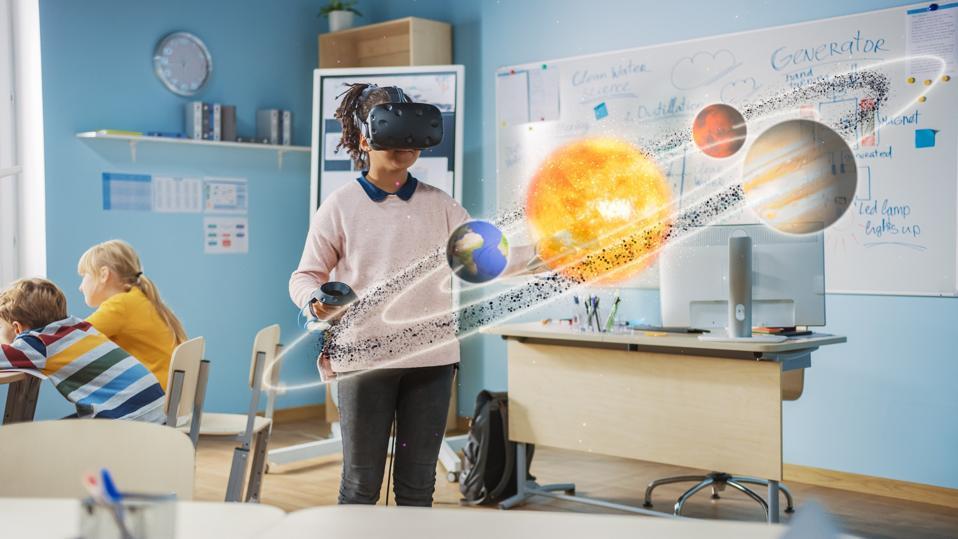
Affordable VR Solutions for Schools: Cost-Effective Technology to Enhance Classroom Learning
Incorporating cutting-edge technology into the classroom is no longer a futuristic concept—it’s a present-day necessity. With affordable VR solutions for schools now more accessible than ever, educators have a powerful tool at their fingertips to create immersive and engaging learning experiences. This article explores the best cost-effective virtual reality options, their benefits, practical tips for implementation, and inspiring case studies that showcase the transformative power of VR in education.
Why Consider VR in the Classroom?
Virtual reality (VR) is revolutionizing the way students learn by offering interactive and immersive educational experiences. However, many schools are hesitant due to perceived high costs.The good news? Numerous cost-effective VR solutions exist, making it possible for schools with limited budgets to integrate this transformative technology.
- Engagement: VR makes lessons more captivating, increasing student motivation and participation.
- Enhanced learning outcomes: Through virtual field trips and simulations, students gain a deeper understanding of complex concepts.
- Inclusivity: Differentiated instruction and VR content foster accessibility for diverse learning needs.
Top affordable VR solutions for Schools
Selecting the right VR setup depends on your school’s budget,classroom size,and curriculum needs. Here are some of the leading affordable VR devices and platforms for classrooms:
1. Google Cardboard & Expeditions
- Cost-effective: Cardboard viewers range from $10-20 each, and most use existing student smartphones.
- Educational content: The Google Expeditions app offers 900+ virtual field trips.
- Ease of use: Quick to set up and suitable for a wide age range.
2. oculus Quest 2
- All-in-one headset: No external computer required, reducing overall costs.
- Durable and versatile: Ideal for repeated classroom use; compatible with a range of VR education apps.
- Price: Starts at around $299 per unit.
3. ClassVR
- Designed for education: Turnkey solution with pre-loaded educational content and classroom management tools.
- Affordable bundles: Class sets available, often including charging and storage cases.
- Price: Packages start at around $2,000 for a set of 4-8 headsets.
4. Merge VR
- Durable foam headset: Perfect for young learners and easy to sanitize.
- Interactive AR/VR objects: Useful for science, history, and geography lessons.
- Price: Headsets start under $50 each.
Benefits of Cost-Effective VR Technology for Classroom Learning
- Enhanced Engagement: Students experience lessons, not just read about them, leading to improved retention rates.
- Safe Exploration: Conduct virtual science experiments or visit inaccessible places safely.
- Real-world Connections: Virtual tours and simulations make abstract concepts tangible and relatable.
- Improved Collaboration: Group VR activities foster teamwork and interaction skills.
- Accessibility: VR allows students with diffrent learning abilities to access the same content in personalized ways.
Practical Tips for Implementing VR in Your School
- Assess your needs: Survey teachers and students to identify subjects and lessons that would benefit most from VR.
- Start small: Pilot with a single set of devices in one classroom before scaling school-wide.
- Seek funding: Look for educational technology grants,local business sponsorships,or crowdfunding programs to secure funding for affordable VR solutions.
- Utilize existing devices: Leverage smartphones and tablets you already have,especially with Google Cardboard and Merge VR.
- Provide teacher training: Host workshops to ensure teachers feel confident and supported using VR in their lessons.
- Review digital content: Use reputable, curriculum-aligned VR apps; examples include Google Expeditions and ClassVR.
Case Studies: Affordable VR transforms Learning
Case Study: Elementary Science Goes Virtual
A public elementary school in Ohio implemented Google Cardboard headsets with a limited STEM budget. Virtual biology tours helped fourth graders explore the human body and ocean ecosystems up close. Teachers reported a 35% advancement in science test scores and noted that students where more eager to participate in discussions.
Case study: ClassVR in Rural High Schools
Several rural high schools in Texas used a grant to purchase classvr headsets. With limited resources for field trips, students visited museums and past landmarks virtually.The result? Increased cultural awareness and cross-curricular projects combining history, art, and language studies.
Frequently Asked Questions About Affordable VR for Schools
-
Is VR safe for children?
Yes,when used in moderation and with age-appropriate content. Teachers should monitor usage and follow best practices from device manufacturers.
-
Can VR fit into existing curricula?
Absolutely! Many VR apps align with state and national standards, making integration seamless.
-
What about hygiene and device sharing?
Opt for washable and durable VR headsets.Sanitize between uses and consider disposable eye masks for extra protection.
-
How can small schools afford VR?
Leverage low-cost solutions like Google Cardboard, pair with student smartphones, and apply for tech grants or collaborate with local businesses.
-
Are there hidden costs?
Consider content subscriptions and teacher training,but most affordable VR solutions minimize ongoing expenses.
Conclusion: Make Learning Unforgettable With Affordable Classroom VR
investing in affordable VR technology for schools is a smart move for modern educators eager to boost student engagement and achievement. With a wide variety of cost-effective VR solutions available, every school, nonetheless of size or budget, can create unforgettable learning experiences. Whether you’re taking your students on a virtual field trip to the pyramids, exploring molecular biology in 3D, or building empathy through immersive storytelling, VR brings lessons to life.
Ready to transform your classroom? Start exploring affordable VR options—becuase the future of learning is now and it’s more immersive, engaging, and accessible than ever.