
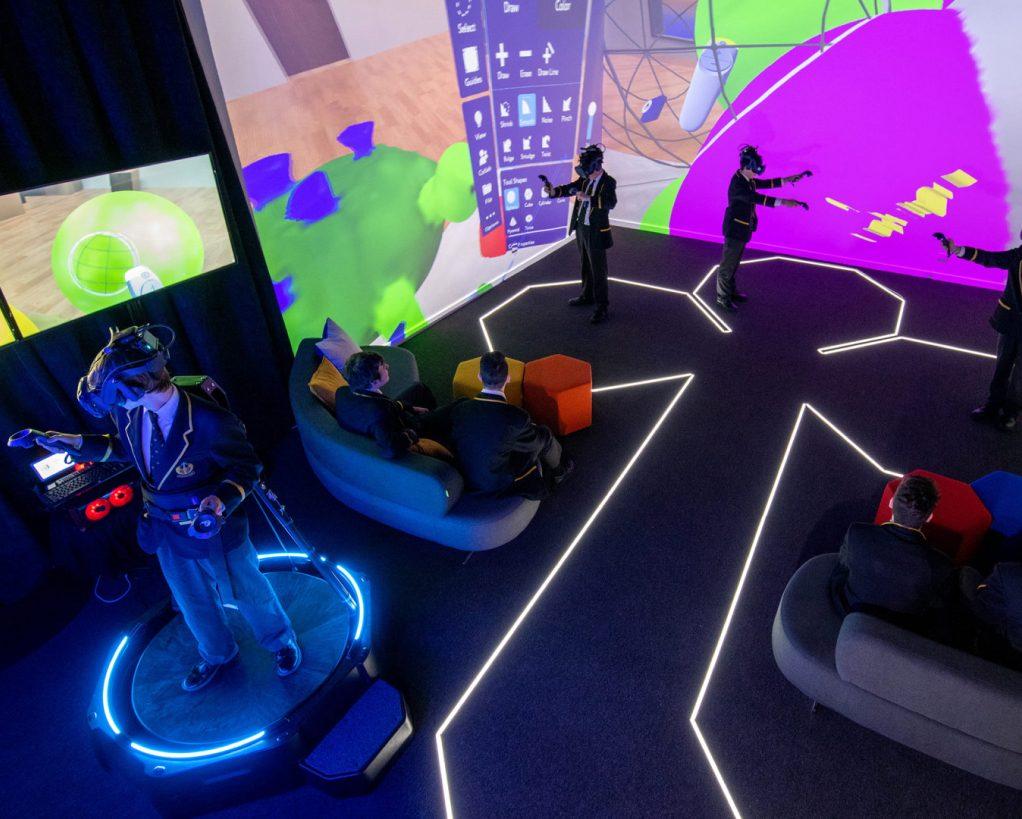
Affordable VR Solutions for Schools: Cost-Effective Technology to Enhance Education
Virtual Reality (VR) is transforming the educational landscape,bringing interactive,immersive experiences into classrooms at every grade level.Once considered a luxury, VR tools have become increasingly accessible, with affordable VR solutions for schools now available to fit almost any budget. in this comprehensive guide, we’ll cover the best budget-friendly VR options for schools, explain how VR enhances education, and offer practical tips for successful implementation.
Why VR Technology Matters in Education
VR in education isn’t just about cool graphics or engaging content—it’s an innovative teaching tool proven to boost student motivation, foster deeper understanding, and facilitate hands-on learning experiences. With the right approach, affordable VR in classrooms can:
- Increase student engagement: Immersive VR grabs attention and keeps students interested in learning.
- Promote experiential learning: Students can explore ancient civilizations, visit the International Space Station, or dive into the ocean—all from their classroom desk.
- Support diverse learning styles: VR caters to visual, auditory, and kinesthetic learners, making lessons accessible to everyone.
- Bridge learning gaps: Complex topics in science,history,and math can be made clear with interactive simulations and visualizations.
Affordable VR Solutions: top Picks for Schools
While high-end VR headsets can be expensive,plenty of budget-friendly virtual reality solutions deliver quality educational experiences without breaking the bank. Here are some of the best affordable VR options for schools in 2024:
1. Google Cardboard and Compatible Viewers
- Cost-effective design: Cardboard headsets start at under $10 each and work with almost any smartphone.
- Wide range of educational apps: google Expeditions, YouTube VR, and other apps provide hundreds of free virtual field trips and interactive lessons.
- Easy to deploy in bulk: Cardboard viewers are lightweight and simple for students to set up on their own devices.
2. Oculus Quest 2 (Meta Quest 2)
- All-in-one VR headset: No need for a computer or external sensors—just turn it on and start exploring.
- Budget-friendly pricing: As of 2024, Quest 2 starts at around $250, with discounts for education bundles.
- expansive VR content: Access educational games, simulations, and apps covering science, history, art, and more.
3. Merge EDU + Merge Cube
- Hands-on augmented & virtual reality: The Merge Cube brings 3D objects into students’ hands, viewable via cheap headsets or tablets.
- Affordable classroom kits: Merge offers bundles starting at under $100, perfect for group activities and experiments.
- Curriculum-aligned content: Merge EDU offers science, math, and STEM lessons mapped to educational standards.
4.ClassVR
- Purpose-built for education: ClassVR is a standalone VR headset with a teacher-friendly management portal.
- Bulk pricing for schools: Contact sales for custom quotes; prices per headset frequently enough drop with larger orders.
- Support for lesson planning: Access to lesson plans, resources, and classroom management tools.
5. Smartphone-Based VR
- Leverage existing devices: many schools already have access to smartphones or tablets, significantly lowering costs.
- Highly scalable: Purchase inexpensive VR viewers and let students use their own or school-provided smartphones.
- Thousands of free VR resources: Apps like ExpeditionsPro and Discovery VR offer free immersive educational journeys.
Benefits of Affordable VR in the Classroom
Bringing VR into your school offers numerous educational benefits, particularly when costs are kept in check:
- Equity and Inclusion: Low-cost VR tools help close the technology gap, ensuring all students have access to cutting-edge learning experiences.
- Collaborative Learning: Many VR platforms encourage teamwork and group exploration, fostering social and dialog skills.
- Improved Retention and Understanding: Studies show VR-based lessons improve information retention and help students grasp complex concepts faster.
How to Implement Cost-Effective VR in Schools: Practical Tips
For many educational leaders, integrating affordable VR solutions may seem daunting. Follow these practical steps to make implementation smooth and successful:
- Start Small: Pilot a program with a single classroom or subject area before investing school-wide.
- Choose the Right VR Solution: Consider current devices, bandwidth, budget, and curriculum needs when selecting a VR platform.
- Leverage Funding Opportunities: Seek grants, community sponsorships, or repurpose funds from other technology initiatives.
- Emphasize Teacher Training: Provide professional advancement and support so educators feel confident using VR in their lessons.
- Plan for Maintenance: Develop a system for device charging, storage, and regular cleaning—especially vital for shared headsets.
- Prioritize Content Quality: Focus on VR resources that align with learning goals and offer clear educational value.
Case Studies: Affordable VR Solutions in Action
Many schools worldwide have successfully implemented affordable VR solutions with inspiring results. Here are a few standout examples:
- elementary School in texas: Using Google Cardboard and donated smartphones, fifth-graders took virtual field trips to the pyramids of Egypt, sparking a year-long exploration project in world history.
- UK Secondary School: Through a partnership with ClassVR, students studied anatomy with immersive 3D models, leading to a 20% enhancement in biology exam scores over two years.
- STEM Academy in California: Merge Cubes allowed students to conduct science experiments virtually, saving hundreds in lab costs while maintaining high engagement and safety.
First-Hand Experiences: Teacher and Student Testimonials
“As a science teacher, VR has changed the way my students learn. even with basic cardboard viewers, they can visualize cell structures and chemical reactions in a way textbooks never allowed.”
— Ms. Alice Wong, Middle School Teacher
“I love VR days at our school! The lessons feel like I’m really there. Last week, we explored a rainforest, and it inspired me to start a research project on endangered species.”
— jasmine, Grade 6 Student
Frequently Asked Questions about Affordable VR in Schools
- Is VR safe for young students? – Yes, when used according to manufacturer guidelines and with proper supervision. Short sessions and regular device cleaning are recommended.
- Can I use VR without dedicated school devices? – Absolutely. Many solutions run on students’ own smartphones with inexpensive viewers.
- Are there free VR resources for education? – Yes! Google expeditions,Discovery VR,and many museum or nonprofit organizations offer free educational content for classrooms.
Conclusion: Bringing Affordable VR to Every Classroom
Affordable VR solutions for schools are now more accessible than ever, democratizing interactive learning and providing engaging experiences that reach all types of learners. by choosing cost-effective VR options, embracing innovative teaching methods, and ensuring equitable access, schools can elevate their educational impact without overspending.
are you ready to enhance your students’ learning with virtual reality? Start with budget-friendly options, empower your teachers, and discover the transformative power of immersive education today!