
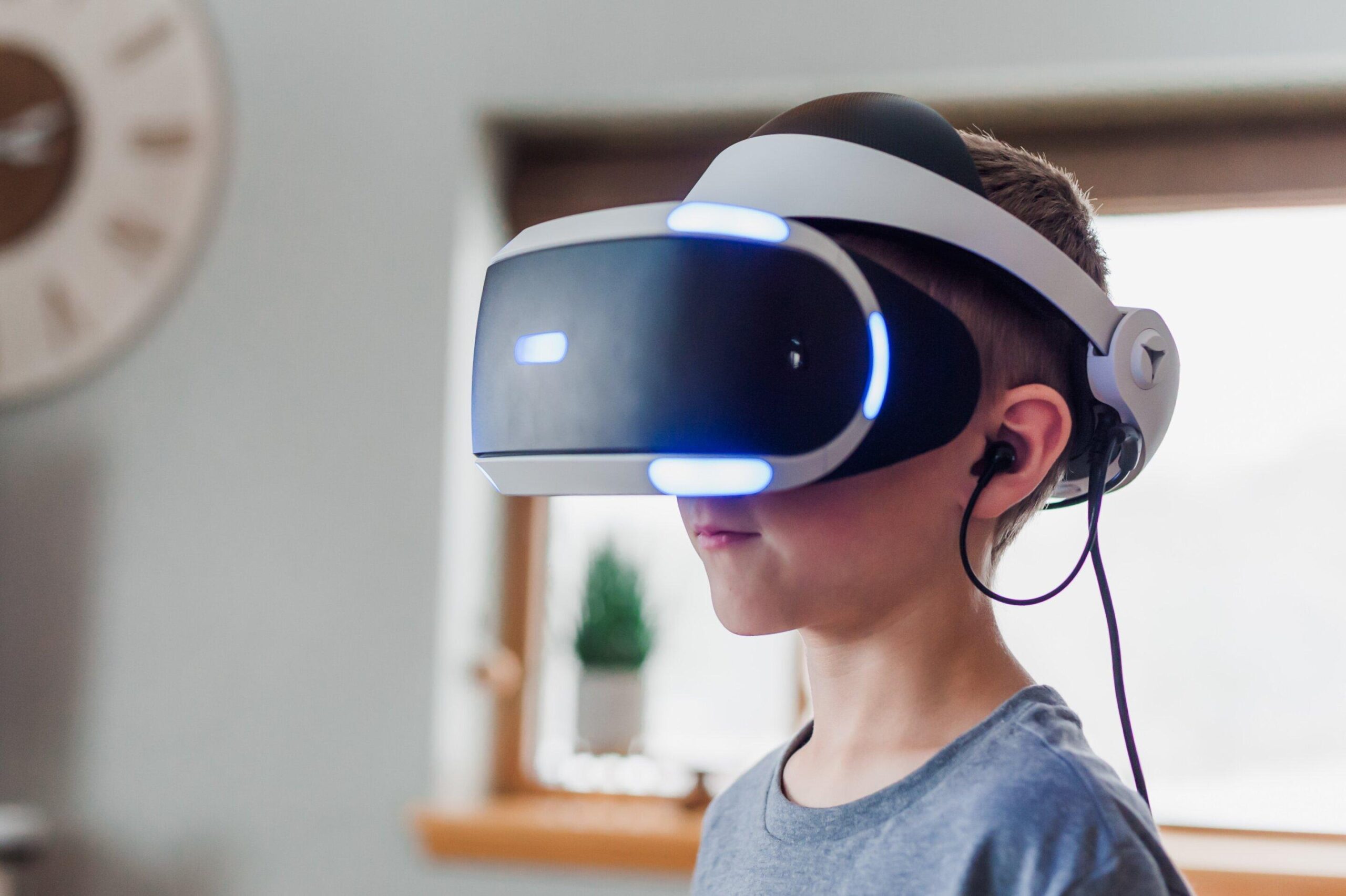
Affordable VR Solutions for Schools: Cost-effective Virtual Reality Tools for Education
Virtual reality (VR) is revolutionizing education by providing immersive experiences that engage students and enhance learning outcomes. Though, many educators and school administrators worry that VR technology is out of their financial reach. fortunately, a growing range of affordable VR solutions for schools are now available, offering incredible educational value without breaking the budget. In this article, we’ll explore cost-effective virtual reality tools, discuss their benefits, share practical implementation tips, and highlight inspiring case studies of schools successfully integrating VR on a budget.
Why Virtual Reality Matters in Modern Education
VR technology is quickly becoming a staple in innovative classrooms. By transporting students to virtual environments—from outer space to the ocean floor—VR makes abstract concepts tangible, supports diverse learning styles, and boosts retention rates. Hear are some key reasons why VR is gaining popularity in K-12 and higher education:
- Increases Student Engagement: Students are more keen and attentive when learning is interactive and immersive.
- Supports Experiential Learning: VR allows for practice-based learning in safe, controlled environments.
- Bridges Equity Gaps: VR field trips bring global locations and rare experiences to students who may lack access otherwise.
- Sparks Curiosity and Collaboration: Group VR projects foster teamwork and creativity.
Key Features of Cost-Effective VR Tools for Education
when selecting affordable VR solutions for schools, it’s important to consider not just the upfront costs, but also value, scalability, and ease of use. The best budget-amiable educational VR tools typically offer:
- Low-Cost Hardware: Compatible with smartphones or basic standalone headsets without expensive PCs or peripherals.
- User-Friendly Setup: Minimal technical expertise required for installation and daily operation.
- Robust Educational Content: Access to a wide array of curriculum-aligned VR experiences and resources.
- Cross-Platform Compatibility: Support for Android, iOS, Windows, and Chromebook environments prevalent in schools.
- Multi-User Functionality: Enables group experiences, class discussions, and collaborative problem-solving.
Top Affordable VR Solutions for Schools
The VR edtech landscape is rich with options that balance cost and quality. Here are some of the most popular and affordable VR solutions embraced by schools worldwide:
1. Google Expeditions (Now Integrated into Google Arts & Culture)
- Hardware: Works with Google Cardboard (under $20/headset) and compatible smartphones.
- Price: free app access and affordable headset investment.
- Highlights: Offers hundreds of virtual field trips and 360-degree experiences across subjects.
2. ClassVR
- Hardware: Standalone ClassVR headsets (priced affordably for schools).
- Price: Bundles start around $300 per headset, with robust management features.
- Highlights: Designed specifically for education with a teacher-friendly portal and extensive content library.
3. Oculus Quest 2 for Education
- Hardware: Oculus Quest 2 headsets ($299 each).
- Price: Mid-range, but scalable with classroom sets and supported by free and low-cost apps.
- Highlights: Wireless, powerful, and supported by a broad ecosystem including educational apps and environments like Engage and VictoryXR.
4. Merge EDU
- Hardware: Merge Cube (<$20) and compatible with mobile devices.
- Price: Affordable software subscriptions for schools and districts.
- Highlights: Combines VR and AR with interactive lessons in science and STEM.
5. Nearpod VR
- Hardware: Any VR viewer or device (compatible with Chromebooks and tablets).
- Price: Free and premium plans, cost-effective at scale.
- Highlights: Integrates seamlessly with lesson planning tools and Google Classroom.
Benefits of Affordable VR in Education
Embracing cost-effective virtual reality in the classroom offers numerous advantages for students, teachers, and the wider school community:
- Enhanced Learning outcomes: VR helps students visualize and retain complex ideas through immersive, first-hand experiences.
- Improved Equity: budget-friendly VR options empower underserved schools to offer modern, high-impact technology learning.
- Teacher Creativity: Easy-to-use VR platforms encourage teachers to innovate with project-based and student-led exploration.
- Future-Ready Skills: Familiarity with VR builds tech literacy and prepares students for digital careers.
Real-World Case Studies: Schools Succeeding with Affordable VR
Across the globe,schools are unlocking new potential with affordable VR solutions. Here are a few inspiring stories:
Sunrise Elementary School, California
With a single class set of Google Cardboard viewers and donated smartphones, Sunrise Elementary launched a “global explorers” program, taking students on virtual trips to ancient Egypt, the International Space Station, and more. Teachers reported considerably higher engagement—especially among students with learning difficulties.
Maple Ridge District, Canada
The district invested in ClassVR headsets for middle-school science labs. Students now regularly conduct virtual dissections, explore the human body, and collaborate on VR safety drills, reducing costs associated with traditional lab equipment and supplies.
Pine Hill STEM Academy, Texas
By integrating Merge EDU and inexpensive Merge Cubes, Pine Hill created interactive lessons in physics and biology. Teachers use the VR content to differentiate instruction and provide additional support for students needing remediation.
Tips for Implementing VR on a Budget
Want to bring affordable VR to your school? Here are practical tips to get started:
- Start small: Pilot VR with one class or grade level before scaling campus-wide.
- Leverage Grants & funding: Seek out edtech grants, STEM funding, or local business partnerships to offset costs.
- Utilize Existing Devices: Use school-owned tablets and smartphones for VR viewers rather than buying new hardware.
- Embrace Free Content: Tap into the wealth of free VR experiences available from platforms like google Arts & Culture and YouTube VR.
- Train Teachers: Provide PD opportunities and peer workshops to boost VR adoption and confidence among staff.
Conclusion
Virtual reality doesn’t have to be expensive to deliver transformative learning experiences. With today’s affordable VR solutions for schools, educators can give students access to immersive, impactful education nonetheless of budget size. From Google Cardboard-powered field trips to comprehensive platforms like ClassVR and Merge EDU, cost-effective virtual reality tools are reshaping education and preparing students for the future. By starting small, leveraging existing resources, and embracing the creativity VR inspires, any school can join the VR revolution. The future of learning is immersive—and it’s more accessible than ever.