
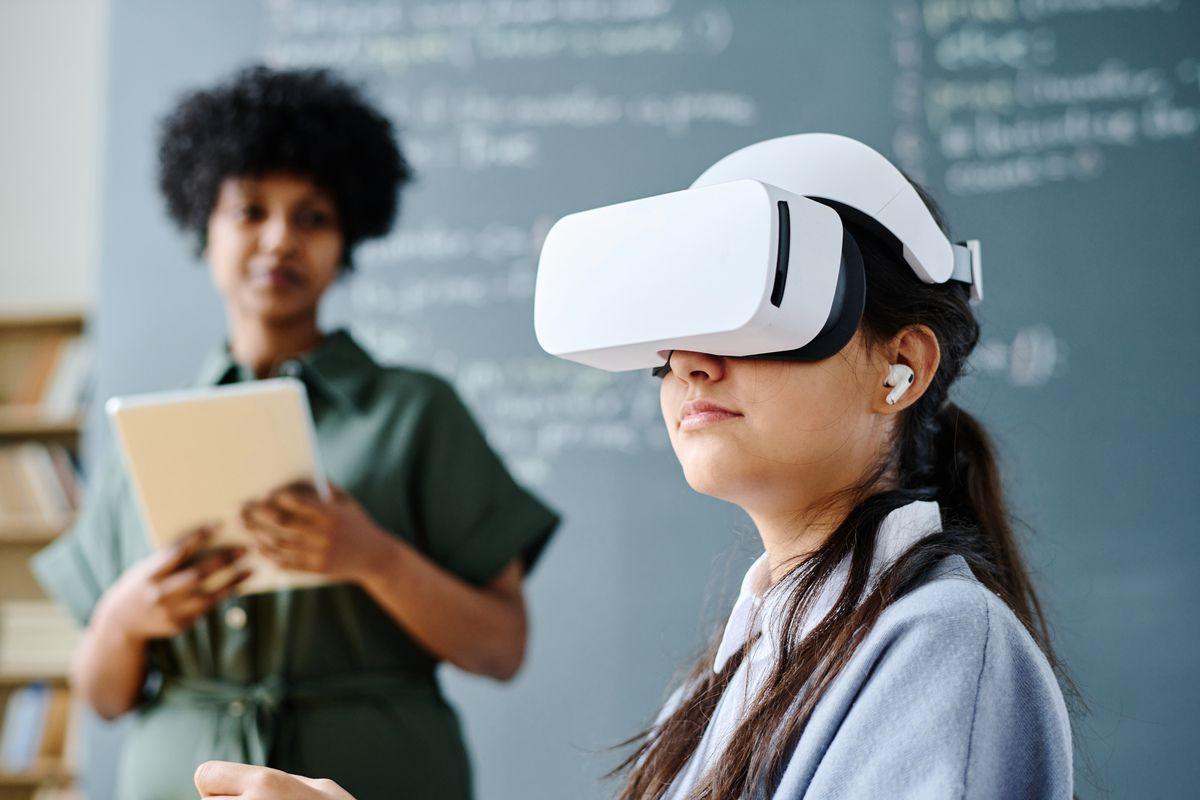
Affordable VR Solutions for Schools: Enhance Learning with Cost-Effective Virtual Reality
Virtual reality (VR) is rapidly transforming the educational landscape, bringing immersive, interactive, and highly engaging experiences into classrooms. While VR was once considered a luxury for tech-savvy institutions, affordable VR solutions for schools are now more accessible than ever. this article explores how cost-effective virtual reality can enhance learning, examines key benefits, offers practical implementation tips, and showcases real-world success stories from schools making the most of VR on a budget.
Why Choose Affordable VR Solutions for Schools?
Schools today face the challenge of integrating cutting-edge technology while managing tight budgets. affordable VR solutions provide a bridge between high-tech innovation and cost consciousness. By choosing cost-effective virtual reality tools, schools can:
- Boost student engagement and motivation
- Support diverse learning styles
- Enhance experiential learning across subjects
- Equip students with future-ready digital skills
- Maintain budget health without sacrificing educational quality
The Transformative Benefits of Cost-Effective Virtual Reality in Education
Integrating VR in the classroom is not just about the “wow” factor.Here’s how affordable VR inspires real educational advancements:
- Immersive Learning: Students can explore the ancient world, journey into the human body, or engage in realistic language conversations—without leaving the classroom.
- Engagement and Retention: Interactive VR experiences tend to improve student focus and retention. By “doing,” rather than simply observing, students remember more.
- Access to Otherwise inaccessible Experiences: Visit museums, laboratories, or even outer space with virtual field trips—all for a fraction of travel costs.
- Inclusivity: Adaptive VR learning platforms can cater to special educational needs, helping all students thrive.
- Collaboration and Creativity: VR apps allow students to brainstorm,build,and solve problems together in virtual spaces,fostering teamwork and inventive thinking.
Top Affordable VR Solutions for Schools in 2024
With countless VR products on the market, finding affordable virtual reality tools suitable for schools can be overwhelming. Here are several budget-amiable VR options that combine accessibility and educational value:
-
Google Cardboard:
- Price: Under $15 per headset
- Compatible with most smartphones
- large selection of free educational apps, such as Expeditions Pro
-
Merge EDU & Merge Headset:
- Headsets around $49.99 each
- durable, wash-friendly foam design
- Access to a growing digital library of interactive STEM lessons and 3D objects
-
ClassVR:
- All-in-one device, designed for classrooms
- Educational content included
- Flexible licensing for multiple headsets keeps costs low for larger schools
-
Oculus Quest 2 (Now Meta Quest 2):
- Priced around $299 and often available with educational discounts
- Robust ecosystem of educational VR apps
- Wireless and easy to deploy in classroom settings
Many of these platforms offer free lesson plans or integration with classroom management software, increasing convenience for teachers and value for schools.
How to Implement Affordable VR in Classrooms: Step-by-step Guide
Adopting VR in schools doesn’t have to be elaborate—or expensive. Follow these steps to launch your VR learning program successfully:
- Define Clear Learning Outcomes: Determine which subjects, lessons, or student groups will benefit most from VR integration.
- Research Compatible and Affordable VR Devices: Compare hardware based on price, durability, device compatibility, and available educational content.
- Secure Funding or Grants: Look into government technology grants, local business sponsorships, or nonprofit programs supporting digital classrooms.
- Pilot in One Classroom: Start small! Test your chosen VR solution with a single class or grade level and gather feedback.
- Train Teachers: Offer PD sessions, webinars, or online tutorials so staff understand how to effectively use VR tools to drive learning.
- Monitor and Evaluate: Regularly assess student engagement, knowledge retention, and technical issues to refine your VR program.
Real-World Case Studies: Affordable VR in Action
Many schools across the globe are already harnessing cost-effective virtual reality to fuel student curiosity and achievement. Here’s a snapshot of their experiences:
-
Pine valley Elementary, Ohio:
By using Google Cardboard and free VR apps, 5th graders explored the solar system virtually. Teachers reported increased interest in science and better scores on unit assessments.
-
Maple Ridge High School, UK:
Through government grants, the school purchased ClassVR headsets. VR-supported lessons in history and biology made abstract concepts tangible, leading to a 30% improvement in student recall.
-
Westbrook Special needs Academy, Australia:
Using merge EDU, educators created personalized, multisensory experiences for neurodiverse learners. Staff found the technology user-friendly and especially effective with students requiring sensory learning adaptations.
Expert Tips for Maximizing the Value of Cost-Effective VR in Schools
- Select Curriculum-Aligned content: Always prioritize VR modules that complement your core curriculum and lesson objectives.
- Encourage Student-led Exploration: Give learners space to discover and reflect on their VR experiences, fostering growth and digital confidence.
- Maintain Devices Properly: Use simple storage and cleaning protocols to extend the life of headsets and accessories.
- Collaborate and Share: Join educator networks, Facebook groups, or EdTech forums to exchange lesson ideas and troubleshooting tips.
- Regularly Evaluate Outcomes: Set aside time to review VR’s impact on student engagement, test scores, and classroom dynamics.
common Challenges and Solutions When Using VR in Schools
Even with affordable VR solutions,schools may encounter hurdles,including:
- Device Management: Solution: Use classroom VR kits with labeled storage; assign tech “monitors” from among the students to help with setup and collection.
- App Compatibility: Solution: Check that your chosen apps work across devices and test them before class usage.
- Screen Time Concerns: Solution: Schedule short bursts of VR activity, followed by offline reflection, collaboration, or discussion.
- Staff Training: Solution: Tap into online courses and invite local EdTech trainers for hands-on demonstrations.
- Connectivity Issues: Solution: Download content for offline use or invest in upgraded Wi-Fi in key learning areas.
Conclusion: Transform Classrooms with Affordable VR Solutions
Virtual reality is no longer just futuristic fantasy—it’s a powerful, budget-friendly tool that can revolutionize the way students learn and teachers teach. By embracing affordable VR solutions for schools, you can unlock deeper engagement, richer educational adventures, and improved outcomes, all while staying cost conscious. Start small, stay focused on learning objectives, and watch your students’ excitement for knowledge soar.
Ready to bring cost-effective virtual reality into your school? Explore the options highlighted above, connect with fellow educators, and step confidently into the future of immersive learning!