
Affordable VR Solutions for Schools: How to Bring Cost-Effective Virtual Reality to the Classroom
Virtual reality (VR) is revolutionizing education, bringing immersive, interactive experiences to students worldwide. However, many schools believe that implementing VR is out of reach due to tight budgets and limited resources. The good news? Affordable VR solutions for schools are more accessible than ever. In this comprehensive guide, we’ll explore how to bring cost-effective virtual reality to your classroom, the benefits it offers, and practical steps for seamless integration. Whether you’re an educator, administrator, or IT coordinator, this article will show you how to elevate learning without breaking the bank.
Why Schools Should Embrace Virtual Reality
The benefits of using virtual reality in education are vast, reshaping traditional teaching methods and boosting engagement. Here’s why forward-thinking schools are investing in VR:
- Enhanced Engagement: VR transforms abstract concepts into tangible experiences, keeping students curious and motivated.
- Deeper Understanding: Interactive 3D environments foster better retention by showing, not just telling.
- Safe Exploration: Students can journey inside volcanoes, visit ancient civilizations, or conduct risky experiments from the safety of their classroom.
- Accessibility: VR can make complex topics accessible to all learning styles and abilities.
- Collaboration Skills: Many VR experiences promote teamwork and interaction among students.
Evaluating Your School’s VR Needs & Budget
Before selecting an affordable VR solution for your school, it’s critically importent to consider your unique requirements:
- Curriculum Alignment: Identify subjects and topics that would benefit most from VR (e.g., science, history, geography).
- Student Age & Classroom size: Select VR content and hardware that matches the age and scale of your students.
- Budget Constraints: Set a realistic budget for both hardware and software licenses.
- Device Compatibility: Take stock of existing devices (tablets, PCs, smartphones) that can support VR experiences.
- Technical Support: Ensure you have basic IT support to help with VR setup and troubleshooting.
Top Affordable VR Solutions for Schools in 2024
Let’s break down some of the most cost-effective VR tools and technologies available for schools:
1. Google Cardboard & Mobile VR Viewers
- Price Range: $10-$30 per set.
- How it effectively works: Simple headsets made from cardboard or plastic, paired with students’ smartphones. Ideal for basic VR experiences using Google Expeditions, YouTube VR, and more.
- Pros: Extremely affordable, easy to store, wide content library.
- Cons: Limited interactivity, dependent on student-owned devices.
2.ClassVR
- Price Range: Starts around $250 per headset (bulk discounts available).
- How it works: All-in-one headset with education-focused platform and robust teacher controls. Includes hundreds of curriculum-aligned experiences.
- Pros: No need for extra devices, classroom management tools, teacher-kind.
- Cons: Initial investment required, ongoing subscription may apply.
3. Oculus Quest 2/Meta Quest (Education Bundles)
- Price Range: $300-$500 per device.
- How it works: Powerful, wireless VR headset with support for a huge range of educational apps and interactive simulations.
- Pros: High-quality immersion, durable hardware, scalable for larger classrooms.
- Cons: Higher upfront cost, requires account management for younger students.
4. Merge EDU & Merge Cube
- Price Range: $20-$100 per cube, app subscriptions additional.
- How it works: Augmented reality (AR) platform that works with VR viewers, turning a simple cube into interactive models for science, math, and more.
- Pros: Hands-on, affordable, cross-platform (iOS & Android).
- Cons: Limited to AR/VR applications, may require tablets or smartphones.
5. DIY VR with Existing School Devices
- Price Range: Minimal if devices already exist.
- How it effectively works: Use existing PCs,Chromebooks,or tablets for entry-level VR/AR experiences and 360° videos via web-based platforms like CoSpaces Edu,Nearpod VR,or YouTube 360.
- Pros: Maximizes existing resources, low additional cost.
- Cons: Not as immersive, limited interactivity and motion tracking.
Tips for Integrating VR into classrooms on a Budget
Successfully adopting virtual reality in schools doesn’t have to be expensive. Here are some practical strategies to maximize value:
- Pilot Program: Start small with a few devices and gradually expand as you demonstrate results.
- Seek Grants and Funding: Tap into educational grants,local businesses,or crowdfunding platforms for technology funding.
- Share Resources: Pool resources with nearby schools or within a district to purchase shared sets of VR equipment.
- Accessible Content: Utilize free or low-cost VR content from platforms like Google Expeditions, Smithsonian VR, and National Geographic.
- Teacher Training: Offer professional development workshops to ensure teachers are confident and creative in using VR technology.
- Rotate devices: design lesson plans where small groups take turns using VR, ensuring everyone gets a chance without needing a device for every student.
Case Study: Affordable VR in Action
Lincoln Elementary School, Ohio faced budget constraints but wanted to revolutionize its science classes. The school:
- Started with 10 Google Cardboard viewers at $15 each.
- Used classroom tablets and the free “ExpeditionsPro” app to virtually visit the Amazon Rainforest and the International Space Station.
- Applied for a local education grant and upgraded to six ClassVR headsets the following year.
- Noted a 25% improvement in science test scores and significant increases in student enthusiasm and attendance.
This exmaple shows how starting small and leveraging free resources can make VR adoption both practical and impactful.
Hands-On Experiences: What teachers Say
“Bringing VR into my classroom has transformed the way students engage with history and science. Even with limited devices, the excitement and curiosity sparked by virtual field trips are unmatched.”
— Sarah Lee, 7th Grade Teacher, Portland, OR
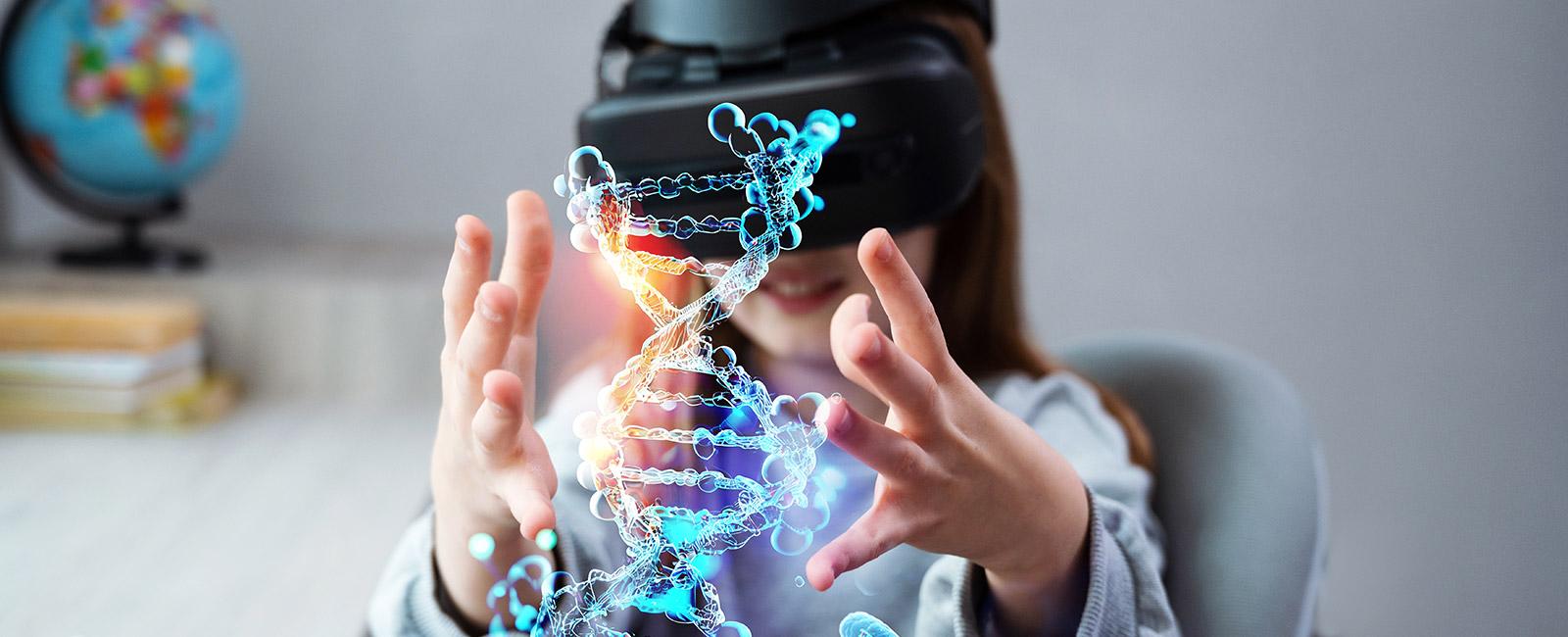
“we purchased Merge Cubes for our STEM lab. The hands-on revelation and sense of wonder when students see DNA strands floating above their hands is absolutely priceless.”
— Robert Garcia, Elementary Technology Specialist, Dallas, TX
Common Challenges and Solutions
| challenge | Solution |
|---|---|
| Limited Budgets | Start with affordable viewers, apply for grants, share devices within the district. |
| Technical Barriers | Opt for plug-and-play solutions, work closely with IT, and choose platforms with strong customer support. |
| Staff Training | Invest in professional development, offer peer-led workshops, encourage experimentation in lesson design. |
| Device Management | Use device management software, assign student leaders to assist with setup and breakdown. |
Future-Proofing Your School’s VR Investment
As technology evolves, investing in flexible and upgradeable VR solutions for schools ensures long-term value. Consider these best practices:
- Choose Cross-Platform Tools: Pick VR content providers that work across iOS, Android, and web browsers.
- Open Licenses: Opt for software that allows flexible upgrades and supports future devices.
- active Community Support: Join online communities for educational VR to stay updated and share best practices.
Conclusion: Making VR a Reality for Every Classroom
Virtual reality doesn’t have to be a far-off dream or a luxury reserved for well-funded schools. Today’s affordable VR solutions for schools make it possible for every classroom to unlock the benefits of immersive, interactive learning. By starting small, leveraging existing resources, and tapping into free and low-cost VR content, educators can transform education while staying budget-conscious. The key is to take the first step—whether it’s a cardboard headset or a single classroom license.
With careful planning and a focus on what matters most—student engagement and achievement—your school can bring the world to your students, one virtual experience at a time. Start your VR journey today and watch curiosity come alive in the classroom!