
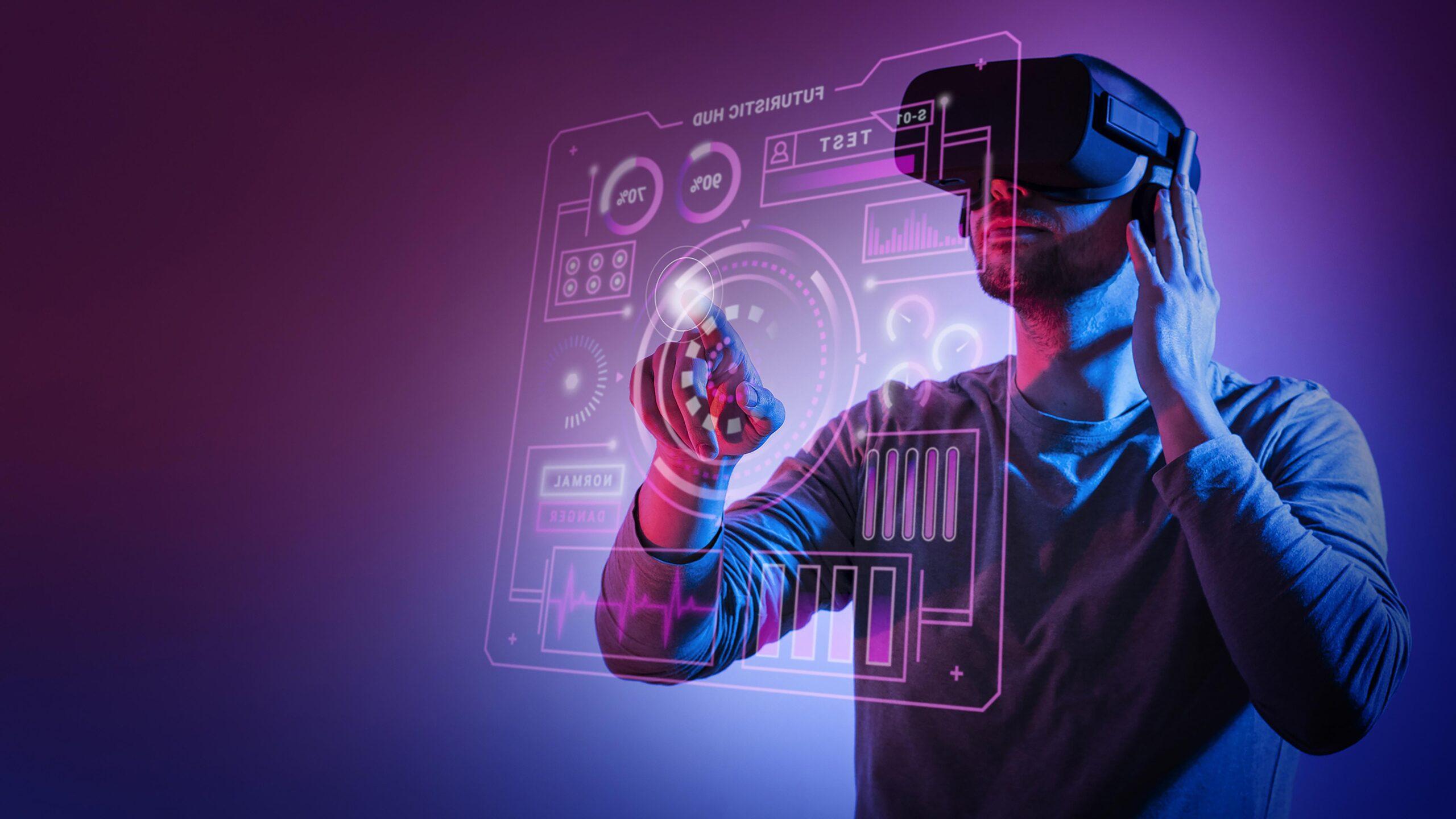
Affordable VR Solutions for Schools: How to Bring Cost-Effective Virtual reality to Your Classroom
Virtual Reality (VR) has rapidly evolved from a futuristic novelty to a powerful educational tool. Today, schools of all sizes are embracing VR to create immersive and interactive learning experiences. However, cost concerns often prevent widespread adoption. In this comprehensive guide,we’ll explore the best affordable VR solutions for schools,practical implementation tips,and real-life case studies to help you bring cost-effective virtual reality to your classroom.
- Why Choose Affordable VR for Schools?
- Key Benefits of VR in Education
- Top Affordable VR Solutions for Classrooms
- How to Implement VR in Your Classroom on a Budget
- Case Studies: Affordable VR in Action
- Tips and Best Practices for Success
- Conclusion: Bring the Future to Your Classroom Today
Why Choose Affordable VR for Schools?
Many educators recognise the incredible potential of VR but are held back by perceived high costs. Fortunately, affordable VR solutions for schools are now widely available, making it possible for any educational institution to integrate this cutting-edge technology. Cost-effective VR tools empower teachers to:
- Enrich lessons with immersive experiences
- Engage students with interactive learning
- Bridge resource gaps in underfunded schools
- Prepare students for a tech-driven future
Key Benefits of VR in Education
Before examining specific products, let’s highlight how virtual reality can transform classroom learning:
1. enhances Student Engagement
VR captures student attention and boosts participation by making lessons more interactive and memorable.
2. Promotes Experiential Learning
Students can “travel” to historical sites, explore the solar system, or conduct science experiments in a safe, controlled environment.
3. Supports Students with Diverse Learning Needs
VR can be adapted for various learning styles, including visual, auditory, and kinesthetic learners, and is highly effective for students with special needs.
4. Facilitates Collaboration and Creativity
Virtual field trips and group projects encourage teamwork and creative problem-solving in a risk-free setting.
Top affordable VR Solutions for Classrooms
Not all virtual reality platforms require a hefty investment. Here are the best budget-kind VR options for educational settings:
1. Google Cardboard
- Price: $10-$20 per headset
- Compatibility: Most smartphones
- Best for: Entry-level VR experiences,virtual field trips,and 360° videos using Google Expeditions
2. Merge VR Headset
- Price: $49.99 per headset
- Compatibility: iOS and Android smartphones
- Best for: Science explorations, AR and VR lessons, tactile learning (soft foam design)
3. Oculus Go (Discontinued, but Available Refurbished/Used)
- Price: $100-$200 (used/refurbished)
- Compatibility: Standalone (no phone required)
- Best for: More immersive VR apps and experiences, classroom sharing
4. VR Kits and Classroom Bundles
- Bundles like: RedboxVR, ClassVR, Google Expeditions Kits
- Price: Varies, but typically $199-$299 per set (discounts for schools and multi-unit purchases)
- Best for: Turnkey solutions with teacher controls, lesson plans, and maintenance support
5. Smartphone-Based VR Apps
- Price: Free to $10 per app
- Best for: Interactive lessons, immersive experiences without high hardware costs (using existing student or school smartphones)
Pro Tip: Many affordable VR solutions rely on smartphones – check if your school already has compatible devices available!
How to Implement VR in Your Classroom on a Budget
Ready to bring cost-effective virtual reality into your teaching practice? follow these tips to maximize impact without breaking the bank:
- Start Small: Begin with a single headset and a handful of lessons to test student interest and practicality.
- Leverage Free Resources: Use free apps like Google Expeditions, YouTube VR, and Smithsonian Journeys VR for ready-made, educational content.
- apply for Grants and Funding: Seek out education technology grants, local government initiatives, or partner with tech companies for donations.
- Create a Device Sharing Schedule: Rotate headsets between classrooms using a shared calendar to maximize use of each device.
- train Staff: Offer PD sessions and online tutorials to ensure all educators can leverage VR effectively.
- Keep hygiene in Mind: Use disposable face covers and clean headsets regularly, especially when sharing between students.
Case Studies: Affordable VR in Action
Case Study 1: A Rural Middle School Brings the World to Life
A rural middle school in Nebraska utilized Google Cardboard and donated smartphones to take students on virtual field trips to the Great Wall of China and the depths of the ocean. teachers noticed greater excitement in geography and science lessons,with students retaining more content and showing higher test scores.
Case Study 2: Special Education Success with Merge VR
A special education classroom in the UK used Merge headsets with tactile Merge cubes to create interactive science labs. The soft design made VR safe for all learners, including those with sensory needs.Results included increased confidence and participation, notably among students who struggled in traditional settings.
Case Study 3: Urban high School STEM Labs
By applying for a city technology grant,an urban high school implemented used Oculus Go headsets for STEM simulations and virtual dissections. student engagement soared, and teachers reported improved understanding of complex scientific concepts.
Tips and Best Practices for Success
Maximize your investment in affordable VR for schools with these proven tips:
- Focus on Curriculum Integration: Use VR to enhance,not replace,existing lesson plans. Tie experiences to clear learning objectives.
- Promote Responsible Usage: Establish classroom rules for VR use and educate students on safety (e.g., taking breaks, reporting discomfort).
- Gather Student Feedback: Encourage students to reflect on and discuss their VR experiences, helping you refine future lessons.
- Share Successes: Document classroom wins and share them with school leaders or in parent communications to build support for VR initiatives.
conclusion: Bring the Future to Your Classroom Today
Adopting virtual reality in schools doesn’t have to drain your budget. With a growing ecosystem of cost-effective VR solutions for schools, educators can introduce powerful immersive learning to classrooms with minimal expense. Whether you start with Google Cardboard, Merge, or classroom VR kits, the key is to begin exploring and adapting to your unique learning environment. Now is the perfect time to prepare your students for the future with engaging, technology-driven education.
Ready to get started? Explore affordable VR options, tap into free resources, and watch your classroom come alive with new possibilities. The next generation of learning awaits!