
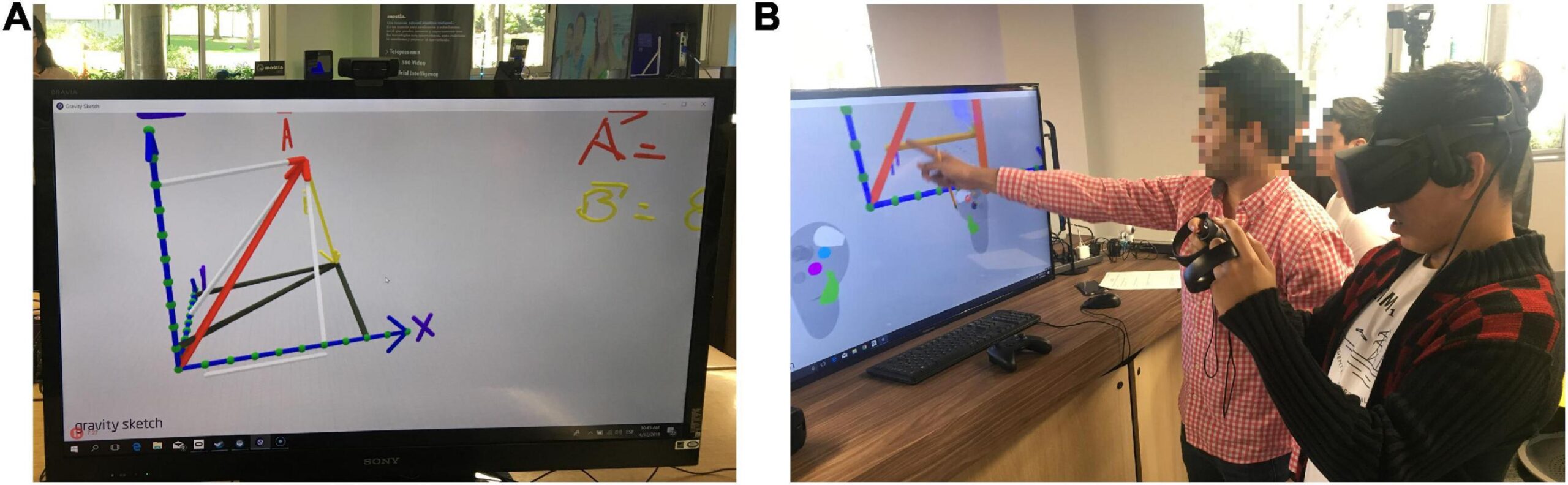
Affordable VR Solutions for Schools: How to Implement Cost-Effective Virtual Reality in Education
Virtual reality (VR) is transforming the educational landscape, bringing immersive and engaging learning experiences directly into the classroom. Though, a common concern for schools is the cost frequently enough associated with high-end VR technology. The good news? There are many affordable VR solutions for schools that make this transformative technology accessible—even on a tight budget. In this thorough guide, we’ll explore how schools can implement cost-effective VR in education, share practical tips, highlight benefits, and showcase real-world success stories.
Why Invest in VR for Education?
Before diving into the budget aspect, it’s crucial to understand the value virtual reality in education brings to the table. VR empowers students to learn by doing, offering a safe space to experiment, explore environments, and visualize concepts otherwise challenging to grasp.
- Enhanced Engagement: Students are more likely to participate and retain data.
- Experiential Learning: Complex theories, like molecular structures or past events, become interactive and memorable.
- Inclusivity: Students with different learning styles benefit from multi-sensory experiences.
- Global Access: Virtual field trips eliminate geographical and financial barriers.
Affordable VR solutions for Schools
Not all VR systems break the bank. Here are some budget-friendly VR solutions for schools that make virtual learning possible:
1. google Cardboard and Compatible Headsets
- Simple, low-cost VR viewers made from cardboard or plastic—often under $15 per unit.
- Utilize existing smartphones, reducing hardware expenses.
- Access free and affordable VR apps, such as Google Expeditions and ExpeditionsPro.
2. All-in-One VR Devices
- meta Quest 2/3: Portable, self-contained, and kid-friendly; prices start around $250.
- Pico 4 and ClassVR: Tailored for educational use, offering classroom management features.
- No need for a powerful PC, simplifying setup and maintenance.
3. Bring Your Own Device (BYOD) Programs
- Allow students to use their smartphones with low-cost VR viewers.
- schools can provide a set of shared viewers for classroom use.
4. Web-Based VR Platforms
- Platforms like CoSpaces Edu and Thinglink VR run on standard browsers and Chromebooks, decreasing hardware costs.
- Encourage student content creation, fostering creativity and coding skills.
Practical Tips for Implementing Cost-Effective VR in Schools
Making the transition to virtual reality in education is easier—and more affordable—when following these practical steps:
Assess Your Needs and Resources
- Evaluate existing technology: do you have student devices, robust Wi-Fi, or IT support?
- Plan for scalability: Start small with pilot projects and expand as success grows.
Seek Grants and Funding Opportunities
- Many governments and educational non-profits offer grants for EdTech initiatives.
- Look for local business partnerships or crowdfunding for specific classroom sets.
Utilize Free and Low-Cost VR Content
- Leverage free apps and open educational resources (OER).
- Join communities where educators share lesson plans and content, like Oculus Education or VR in Education groups.
Train Teachers and Involve Students
- Host professional development sessions to help teachers integrate VR meaningfully.
- Invite students to lead projects or create VR experiences themselves with platforms like CoSpaces Edu.
Benefits of Low-Cost VR in the Classroom
- Greater Accessibility: More students can participate in field trips, lab simulations, and cultural experiences.
- Improved Learning Outcomes: Studies show VR increases retention rates and comprehension, especially in STEM subjects.
- development of 21st Century Skills: Collaboration, creativity, problem-solving, and digital literacy.
- Reduced Risk: Simulate perilous or expensive experiments safely—think chemistry reactions or technical equipment training.
Real-World Success stories: VR on a Budget
Case Study 1: A Small School District’s Conversion
“we started with just a classroom set of thirty google Cardboards paired with donated smartphones. Students took virtual trips to Egypt, explored the International Space Station, and even designed their own interactives using CoSpaces Edu. Not only did engagement soar, but science and geography results improved by 18% in just one year!”
— Mrs. Thompson, Middle School Teacher
Case study 2: Urban High school Boosts STEM Engagement
“Thru a technology grant, we invested in six Meta Quest 2 headsets for our science labs. The chemistry teachers integrated VR molecule models and interactive lab simulations. The program was so triumphant that the district is planning expansion across 10 more schools.”
— Dr. Lee, Science Department Head
Overcoming Common Challenges
Even affordable solutions come with hurdles. Here’s how schools can address typical obstacles:
- Device Management: Store and sanitize headsets between uses; consider soft carry cases for Cardboard viewers.
- Student Safety and Screen Time: Set age-appropriate time limits, and select content aligned with curriculum goals.
- Technical Support: Appoint a VR champion (teacher or student) in each class for day-to-day troubleshooting.
- Equity: Use shared devices on rotation and tie VR activities directly to lesson objectives for maximum classroom impact.
Conclusion: Making Virtual Reality Accessible for Every Classroom
VR in education is no longer a luxury reserved for elite schools. With thoughtful planning, the right selection of affordable VR headsets and content, and a commitment to ongoing teacher training, virtual reality in education can become a transformative force for all students, regardless of budget constraints. Start small, pilot new programs, embrace teacher and student input, and you’ll soon find that immersive learning is within everyone’s reach.
Ready to explore affordable VR solutions for your school? Begin with a clear vision, tap into available resources, and join the growing movement of educators bringing the world to their students—one virtual experience at a time.