
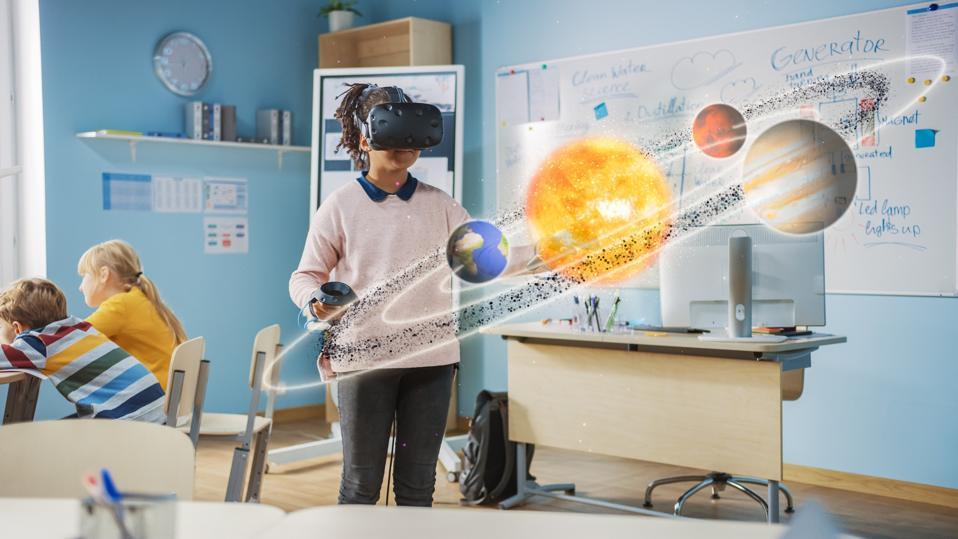
Affordable VR Solutions for Schools: Top Cost-Effective Options for Classrooms
Virtual Reality (VR) in education is transforming the way students learn by making complex subjects more engaging, immersive, and accessible. However, integrating VR technology into schools can seem costly and overwhelming. The good news is that ther are now affordable VR solutions for schools that deliver innovative experiences without breaking the bank. In this extensive guide, we’ll explore the top cost-effective VR options for classrooms, outline their benefits, share practical implementation tips, and examine inspiring case studies that show VR’s real value in education.
Why Choose Affordable VR Solutions for Schools?
Many educators recognize the benefits of VR in classrooms—from enhancing student engagement to enabling virtual field trips and transforming STEM lessons.However, budget constraints in education remain a primary concern. Cost-effective virtual reality options allow schools to:
- Access cutting-edge educational technology at a fraction of standard VR costs.
- integrate VR into daily lessons wiht minimal technical setup.
- Scale VR implementation across multiple classrooms or grade levels.
- Offer equitable learning opportunities, bringing immersive experiences to all students.
Top Cost-Effective VR Solutions for Classrooms
Here’s our curated list of the best affordable VR solutions for schools that combine low price with effective educational value and ease of use.
1. Google Cardboard & Expeditions
Google Cardboard is a simple VR viewer that turns any smartphone into a virtual reality device with a low upfront cost (often under $15 per viewer). Paired with the Google Expeditions app, teachers can guide students through hundreds of immersive VR field trips—from exploring ancient Egypt to visiting the International Space Station.
- Pricing: cardboard viewers cost $10-20 each; many apps are free.
- Pros: Extremely affordable, wide range of educational content, works with existing smartphones.
- Cons: requires compatible smartphones,basic interactivity,Google Expeditions app support is being phased out but alternatives are available.
2. Oculus Quest 2 (Meta quest 2)
The Oculus Quest 2, now known as Meta Quest 2, strikes a strong balance between price and performance. It delivers a fully wireless VR experience with powerful educational apps, such as ENGAGE, Wander, and VR Expeditions.
- Pricing: Starts at $299 (32GB model), with student discounts occasionally available.
- Pros: No PC required, pleasant form factor, vast app ecosystem, easy setup.
- Cons: Higher initial cost, requires Facebook login, some apps may have content charges.
3. ClassVR
Specifically designed for schools, ClassVR offers an all-in-one VR headset with a built-in curriculum and intuitive classroom management platform for teachers.
- Pricing: Kits start at around $300 per headset (bulk pricing often available for schools).
- Pros: Tailored for education,easy device management,teacher controls,bundled lesson plans.
- Cons: More expensive than basic viewers, less flexibility with non-proprietary content.
4. Merge EDU & Merge Cube
the Merge Cube is a tactile foam cube that, when paired with the Merge EDU app on a tablet or VR viewer, lets students touch and interact with 3D AR and VR objects.
- Pricing: Merge Cube costs $19.99, app subscriptions offer school-wide access for a set price.
- Pros: Affordable, hands-on learning, supports both AR and VR, great for STEM and science classes.
- Cons: Requires a device (tablet or smartphone),some content requires a paid subscription.
5. DIY VR Classroom Kits
Many companies offer DIY VR kits with affordable viewers and lesson plans. These kits often bundle several cardboard VR headsets together with training resources and compatible apps (e.g., Homido, Mattel View-Master VR).
- Pricing: $100-$200 for a set of 10 viewers; free and paid educational apps available.
- Pros: Very budget-friendly,scalable,wide range of compatible apps.
- Cons: Lower image quality, limited interactivity compared to standalone VR headsets.
Key Benefits of Affordable VR in Education
- Enhanced Engagement: VR captivates students’ attention and increases motivation.
- Improved Retention: Immersive experiences promote deeper understanding and long-term memory.
- Inclusive Learning: VR supports diverse learning styles and abilities, making lessons more accessible.
- Virtual Field Trips: Take students to places around the globe or into the heart of a cell—all from the classroom.
- Safe Experimentation: Enables safe exploration of perilous or expensive environments (e.g., chemistry labs, volcanoes).
- Collaboration: VR platforms foster teamwork and dialog among students, even remotely.
Practical Tips for Implementing VR Solutions in Schools
Adopting VR technology in the classroom is easier than ever, but these tips ensure a smooth and effective integration:
- Start Small: Begin with a pilot program using a small number of devices and expand based on feedback.
- Choose Age-Appropriate Content: Select VR experiences tailored to your students’ grade level and curriculum.
- Utilize Free Resources: Many educational VR apps and lesson plans are available at no cost.
- Train Staff: Offer training sessions or professional advancement focused on effective VR instruction.
- establish Safety Guidelines: Set clear rules for device sharing,screen time,and hygiene.
- engage Parents & Stakeholders: Share the benefits of VR learning to secure community support and involvement.
Case Study: VR in action – First-Hand Experience
One innovative middle school in Ohio piloted Google Cardboard viewers across their science and geography classes. Teachers reported a 30% boost in student participation during VR-enhanced lessons compared to customary lectures. Students were able to explore coral reefs in 360 degrees, travel to the pyramids of Giza, and even dissect virtual frogs—all for less than $500 for the entire classroom set. Staff said that VR was notably effective for visual and kinesthetic learners, helping to bridge the gap for students with different learning needs.
Ms.Johnson, a science teacher involved in the project, noted: “I was amazed at how excited students were to put on their VR viewers. Even students who were normally disinterested became active participants in the lesson. The affordable VR kits made it possible for every student to have a headset and experience these incredible journeys together.”
Frequently Asked Questions About Affordable Classroom VR Solutions
Are cheap VR viewers really effective for learning?
Yes! While affordable options like Google Cardboard or Merge Cube lack the advanced features of pricier headsets,they still provide powerful,immersive educational experiences. The key lies in choosing engaging, interactive content that aligns with your instructional goals.
What subjects benefit most from VR technology?
STEM subjects like biology,physics,and earth science frequently enough see huge gains,but VR can enrich subjects from history to literature and the arts. Many platforms now offer VR content for language learning, social studies, and career readiness too.
Is VR safe for children?
VR is safe when used in moderation and following age guidelines. Most experts recommend limiting VR time to 10-15 minutes per session for younger students, and ensuring breaks to prevent eye strain. Always clean devices between uses.
Conclusion: Take Your School into the Future with Cost-Effective VR
Bringing affordable VR solutions into the classroom is a smart, forward-thinking way to engage students, foster deeper learning, and prepare them for tomorrow’s world. Thanks to budget-friendly options like Google Cardboard, Oculus Quest 2, and ClassVR, there’s never been a better time or price point for schools to embrace educational VR. By starting small, leveraging free resources, and focusing on educational value, you can transform traditional lessons into unforgettable, immersive journeys—regardless of your school’s size or funding level.
Ready to take the next step? Explore the VR options above, pilot a program in your school, and see the difference firsthand as your students step into new worlds of learning!