
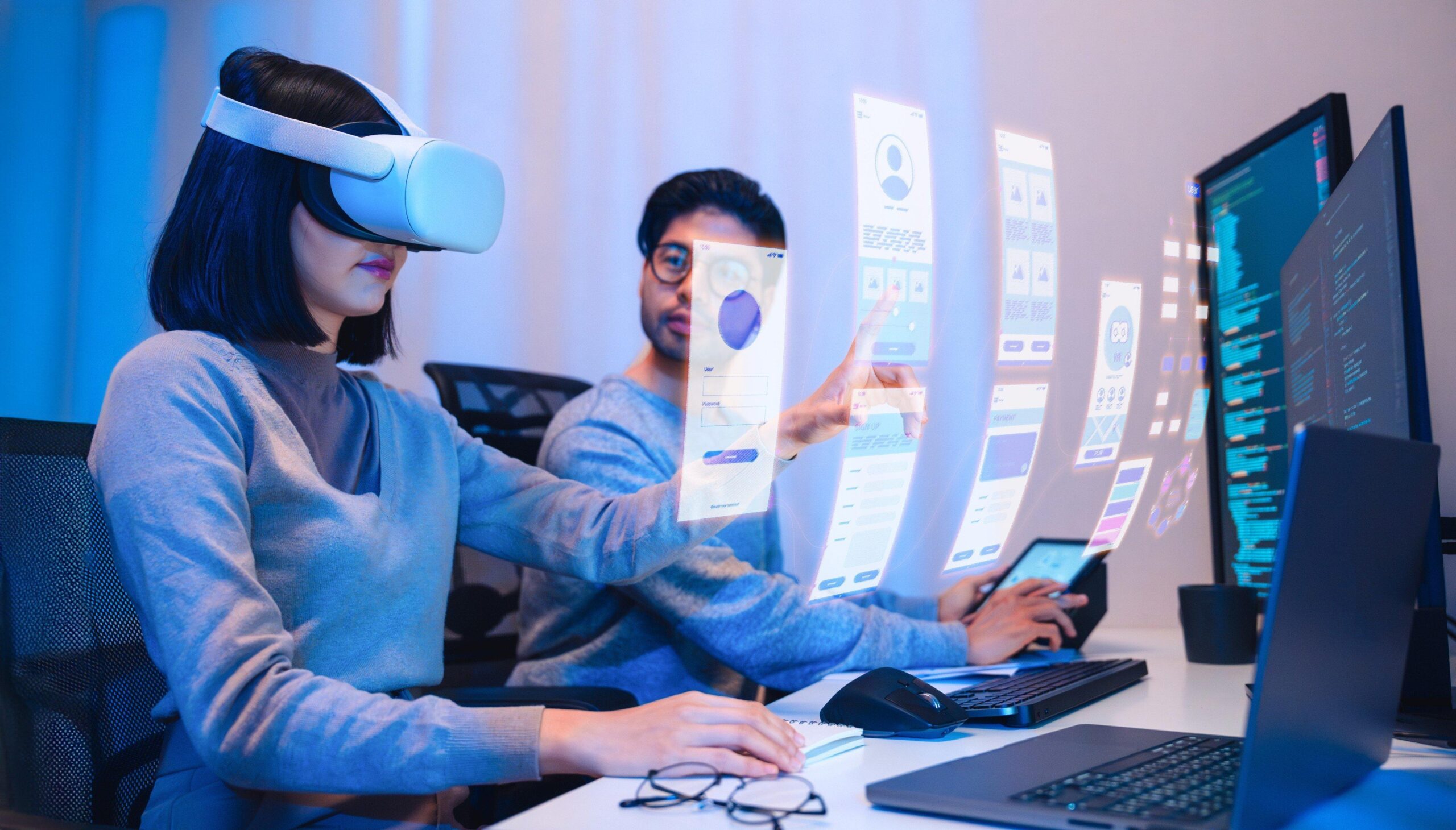
Affordable VR Solutions for Schools: Top cost-Effective Options for Innovative Learning
Virtual reality (VR) technology has teh power to transform the educational experience, bringing lessons to life in ways never before possible. Yet, many schools face budget constraints that make investing in cutting-edge technology seem out of reach. Thankfully, affordable VR solutions for schools are becoming increasingly accessible, enabling educators to provide innovative learning experiences without breaking the bank.
In this comprehensive guide, we’ll explore top cost-effective VR options for schools, highlight the benefits of integrating virtual reality in education, share real-world examples, and offer practical tips for choosing the best VR system for your students. If you’re an administrator or educator looking to revolutionize your classroom, read on!
Why Choose VR Technology for Schools?
VR in education opens doors to immersive, interactive, and engaging learning environments. Here are some key reasons why VR is gaining traction in schools worldwide:
- Engagement: VR captivates students,boosting attention and motivation.
- Experiential Learning: Students can experience ancient events, scientific simulations, or explore cultures from their classrooms.
- Accessibility: Virtual field trips level the playing field for students who may have limited resources or mobility.
- Collaboration: VR fosters teamwork and communication through shared digital worlds.
- Critical Thinking: Problem-solving and inquiry-based activities are enhanced in immersive settings.
Top Affordable VR Solutions for Schools
Let’s dive into the best VR systems and packages that combine quality with affordability. the following cost-effective VR options make innovative learning possible for elementary, middle, and high schools alike.
1. Google Cardboard
Google Cardboard offers one of the simplest and cheapest entry points into VR for schools. All you need is a compatible smartphone and the foldable cardboard viewer.
Features:
- Cost: $10-$25 per unit
- Wide range of free educational VR apps
- Super easy setup and maintainance
Best For: Elementary and middle school students; introductory VR experiences.
2. Oculus Quest 2 (Meta quest 2)
The Oculus Quest 2 offers an notable standalone VR experience without the need for PCs or external sensors. Its mid-range price and versatility make it a popular choice for school VR labs and learning centers.
Features:
- Cost: Starting at $299
- Wireless operation and large app library
- User-amiable setup and administrator controls
Best For: Middle and high schools; STEM labs, science simulations, history, and geography.
3. ClassVR by Avantis
Designed specifically for education, ClassVR gives teachers a complete VR solution, including headsets, cloud-based lesson management, and curriculum-aligned content. Bulk pricing further reduces costs per headset.
Features:
- Cost: Packages typically starting at $999 for eight-headset kits
- Secure classroom management tools
- Extensive library of educational content
Best For: K-12 schools; guided VR lessons and teacher-led activities.
4. Merge VR Headset & Cube
The Merge VR Headset is built for classroom durability and comfort. Paired with the Merge Cube, students can explore AR and VR lessons hands-on with affordable technology.
features:
- Cost: Headset ~$49, Cube ~$20
- Supports both AR and VR content
- Compatible with most smartphones
Best For: Elementary to high school; interactive science, math, and art lessons.
5. ExpeditionsPro (Google Expeditions Alternative)
After Google Expeditions was discontinued, ExpeditionsPro stepped in to provide affordable virtual field trips for classrooms using smartphones and low-cost viewers.
Features:
- Cost: Free app; works with any smartphone VR viewer
- Over 900 free VR tours
- Teacher-led synchronized experiences
Best For: All grade levels; virtual tours and collaborative learning.
Practical Tips for Integrating Affordable VR in Schools
- Start Small: Begin with a handful of devices and expand as demand and budget allow.
- Leverage Free Content: Many educational VR apps and digital tours are available at no cost.
- Train Staff: provide professional growth so teachers can confidently integrate VR into lessons.
- Consider Device Compatibility: Check if your current school devices (smartphones/tablets) support VR apps.
- Ensure health & safety: Set time limits for VR sessions to avoid eye strain and provide clear guidelines.
- Engage Parents: Communicate the benefits and safety of VR learning to build community support.
Budget-friendly Implementation Strategies
- Seek grants or partnerships with local businesses and EdTech companies.
- Share VR resources between multiple classrooms or grades.
- Use web-based VR experiences that work on existing school computers or tablets.
- Encourage student clubs or after-school programs to pilot VR before wider rollout.
Real-World Examples: VR Success Stories in Schools
Many schools worldwide have embraced affordable VR solutions to enrich their curricula and drive student engagement. Here are a couple of inspiring case studies:
Case Study 1: Google Cardboard in Social Studies
At Barnes Elementary in Texas, fifth graders used google Cardboard to tour ancient Egyptian pyramids and Roman structures via educational VR apps. According to their teacher, engagement and retention rose dramatically as students “virtually walked” through ancient worlds rather than simply reading about them.
Case Study 2: ClassVR in Science Exploration
in London, the ClassVR headset empowered a secondary school’s science department to simulate virtual dissections and space explorations. The platform’s easy lesson integration and teacher controls made immersive learning simple and routine, sparking new interest in STEM fields.
benefits of Affordable VR Solutions for Schools
- Cost Savings: Low-priced hardware and free educational content keep technology accessible for even tight budgets.
- Improved Learning Outcomes: Interactive virtual environments have been shown to boost knowlege retention and conceptual understanding.
- inclusivity: VR helps accommodate diverse learning styles and needs, ensuring every student can participate.
- Planning for Future Careers: Early exposure to VR builds digital literacy and tech skills relevant for future jobs.
- Motivation: Gamified VR activities and real-world scenarios drive curiosity and a love for learning.
First-Hand Experience: Teachers Share Their Insights
Educators who have piloted affordable VR in their classrooms report overwhelmingly positive experiences:
“VR transformed my science lessons. Students ask to repeat experiments and explore on their own! The Merge Cube especially makes concepts tangible and interactive.”
– Ms. Johnson, Middle School Science Teacher
“Affordable VR helps break down barriers. my ESL students love exploring new places and cultures with ExpeditionsPro. It’s enabled connection and conversation beyond textbooks.”
– Mr. Patel, Elementary ESL Specialist
Conclusion: making Innovative Learning Attainable for Every School
Affordable VR solutions are rapidly reshaping education, making imaginative, engaging, and impactful learning possible for schools everywhere. With entry-level devices like Google Cardboard, robust platforms such as ClassVR, and hybrid AR/VR tools like Merge Cube, budget-conscious educators can seamlessly bring the magic of virtual reality into classrooms.
Whether you’re just beginning or looking to expand an existing program, start small and build momentum. By selecting cost-effective VR options, accessing free and high-quality content, and prioritizing teacher training, every school can unlock the world of innovative, immersive learning—no matter your budget.
Ready to inspire and empower your students with affordable VR for schools? Explore your options,get hands-on,and watch your learners grow.