
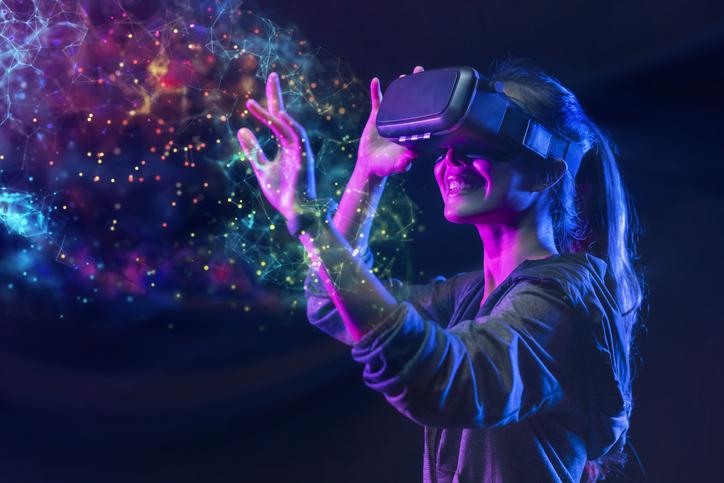
Affordable VR Solutions for Schools: Transform Learning with Cost-Effective Technology
Unlock the power of immersive learning with budget-kind virtual reality in education.
Introduction: Revolutionizing Education with Affordable VR Solutions
Virtual Reality (VR) is rapidly transforming modern classrooms, offering immersive, hands-on experiences that foster engagement and retention.For many educational institutions, the cost of VR solutions has been a significant barrier to adoption. Fortunately, advances in cost-effective VR technology are making innovative learning accessible for schools with tight budgets. In this article,we explore affordable VR solutions for schools,their benefits,practical implementation tips,and inspiring case studies demonstrating the impact of this technology on education.
Why Choose Affordable VR Solutions for Schools?
Many educators are searching for budget-friendly VR technology suitable for classroom instruction. Here’s why cost-effective VR matters:
- Expanded Access: Affordable solutions lower the barrier to VR adoption,ensuring more students benefit from immersive learning.
- Scalable Integration: cost-effective packages enable schools to equip multiple classrooms or grade levels.
- Reduced maintenance Costs: Budget-friendly VR systems often have straightforward setup and minimal ongoing expenses.
- Empowers Diverse Learning: With lower entry costs, special education, STEM, and history classes can leverage VR resources tailored to their needs.
Top affordable VR Solutions for classrooms
Whether public or private, schools can now take advantage of several leading low cost VR solutions for schools:
1. google Cardboard and Compatible Devices
- Cost: From $10 per headset
- Pro: Works with most smartphones; simple, durable, and lightweight.
- applications: Science tours, virtual field trips, 360° videos.
Google Cardboard is an open-source VR platform utilizing inexpensive, foldable cardboard viewers.With a compatible smartphone and free apps like Google Expeditions, teachers can easily guide students through interactive lessons on history, biology, space, and more.
2. Oculus Go (Refurbished Models)
- Cost: Around $100-$150 per device (refurbished)
- Pro: Standalone; does not require a computer or phone.
- Applications: VR labs, interactive simulations, cultural immersion experiences.
Oculus Go remains a popular choice for schools, especially when sourced as refurbished units. It supports a rich library of educational apps and provides a higher-quality experience compared to mobile-based viewers.
3. ClassVR by Avantis
- Cost: Packages start at approximately $300 per headset (bulk discounts available)
- Pro: Designed specifically for education; includes teacher controls and lesson plans.
- Applications: Curriculum-aligned VR lessons, student creation tools.
ClassVR is a comprehensive, dedicated VR solution for schools. Devices are robust, centrally managed, and tailored for safe and effective use in classrooms. Subscription to their portal unlocks hundreds of VR activities aligned with national standards.
4. Merge VR Headsets
- Cost: About $50-$70 per headset
- Pro: Durable,easy to clean,compatible with most smartphones.
- Applications: Science explorations, anatomy lessons, interactive games.
Merge VR headsets are built for classroom durability and pair with Merge Cube, enabling students to hold digital objects in their hands. Merged with various apps, teachers can run virtual science labs or explore interactive anatomy models.
benefits of Cost-Effective VR in Education
Affordable VR technology presents a host of advantages for schools striving to modernize their teaching methods:
- Enhanced Student Engagement: VR’s interactive surroundings captures student attention, making learning fun and memorable.
- Active, Experiential Learning: students “do” rather than passively listen—exploring ancient civilizations, conducting science experiments, or touring the human body in 3D.
- Accessible for All Learners: Inclusive features benefit diverse learners, including those with disabilities, through customizable, sensory-rich experiences.
- Breaks Geographic Barriers: virtual field trips allow students to visit NASA, museums, or rainforests without leaving the classroom.
- Promotes Collaboration: Many VR platforms support multi-user experiences, fostering teamwork and interaction.
Practical Tips for Implementing Affordable VR in Schools
Making VR a success in the classroom requires planning and creativity.Here are actionable steps for schools:
1. Assess Classroom Needs and Goals
- Identify subjects and grade levels that will benefit most from VR integration.
- Set clear educational outcomes for VR use (e.g., understanding cell structure, exploring world cultures).
2. Start Small, Scale Up
- Consider pilot programs with one classroom or grade, collecting feedback before school-wide adoption.
- Leverage affordable models like Google Cardboard to test student and teacher interest.
3. Utilize Free and Low-Cost Resources
- Access free educational VR content from platforms such as Google Expeditions,VR Field Trips,and Merge EDU.
- Seek grants or community partnerships that may help subsidize equipment costs.
4. Ensure Device Safety and Hygiene
- Opt for headsets with easy-clean surfaces.
- Schedule regular sanitation and assign devices to students to minimize sharing.
5. Provide Teacher Training
- Organize professional progress workshops on incorporating VR into lesson plans.
- Use online courses and user communities for ongoing support.
Case Studies: Affordable VR Transforming Learning
Sunnyside Elementary School, Ohio
This public school piloted Google Cardboard headsets for 5th grade science. Students explored the solar system through immersive 360° content, dramatically improving understanding of planetary movement. Teachers reported increased engagement and enthusiasm, with costs kept under $300 for the entire grade level.
Maple ridge High, Texas
Using refurbished Oculus Go headsets, Maple Ridge integrated VR modules in history, biology, and art. The school received a local STEM grant to cover devices,allowing hundreds of students to participate in virtual museum walks and anatomy labs. Student feedback highlighted better retention and interest in STEM fields.
Innovators Charter School, California
Innovators Charter adopted ClassVR for project-based learning. Their affordable subscription enabled teachers to collaborate across departments, creating interdisciplinary VR projects. Results included higher test scores and improved teamwork.
First-Hand Teacher Experience: Bringing VR to Life
“Our classes now feel like time-traveling adventures! With cost-effective VR, students are not just learning—they’re experiencing. Engagement is through the roof, and the technology wasn’t nearly as complicated or expensive as I’d feared.”
— ms. Kelly Bennett, 6th Grade Science Teacher
Overcoming Common Challenges for Schools
With lower-cost VR solutions, schools often face a few hurdles. Here are speedy tips to address them:
- Funding: Combine PTA funds, community sponsorships, and educational grants to cover startup costs.
- Content Selection: Focus on reputable, curriculum-aligned platforms to avoid unsuitable content.
- Technical Support: Assign a tech-savvy staff member as the VR coordinator and leverage online communities for troubleshooting.
Conclusion: Unlock the Future with Affordable VR for Schools
The era of immersive, affordable VR technology in education is here. With solutions tailored for tight budgets, schools don’t have to compromise on innovation or quality. From Google Cardboard to dedicated educational platforms, transforming learning with cost-effective VR solutions in schools is not only possible—it’s essential for preparing students for the future.
Ready to revolutionize your classroom? Explore budget-friendly VR technologies, tap into free resources, and witness firsthand the positive impact on student engagement and achievement. The right VR solution can create unforgettable learning experiences—without breaking the bank.