
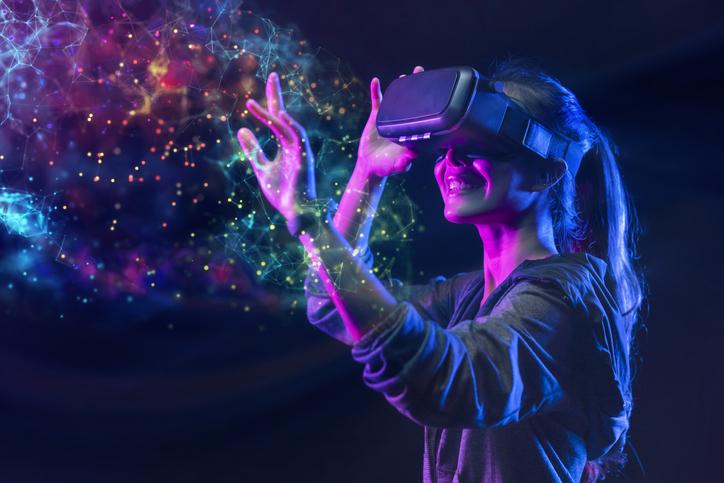
Affordable VR solutions for Schools: Transform Learning with Cost-Effective Virtual Reality
Introduction: The Rise of Virtual Reality in Education
Virtual Reality (VR) is rapidly reshaping the educational landscape, offering immersive and interactive learning experiences that go far beyond the traditional classroom. However, for many schools, budget restrictions have made incorporating this innovative technology seem out of reach. The good news is that affordable VR solutions for schools are becoming more accessible than ever before. In this guide, we’ll explore how cost-effective virtual reality tools can help your school engage students, enhance lessons, and create unforgettable learning experiences—all without breaking the bank.
Why Schools Should Consider Cost-effective Virtual Reality
The benefits of integrating VR into the classroom are well-documented, but cost remains a major concern for many educators and administrators. Choosing affordable VR solutions allows schools too embrace emerging technologies while maintaining fiscal responsibility. Here are several reasons your institution should consider making the leap:
- Enhanced Student Engagement: Interactive VR lessons can increase participation, motivation, and data retention.
- Accessible Field Trips: Cost-effective VR headsets bring faraway museums, ancient sites, and science labs straight to your classroom.
- Inclusivity: VR can be tailored to students with various learning styles and needs, including visual and experiential learners.
- Safe Simulations: Students can conduct virtual science experiments or practice emergency responses in a risk-free surroundings.
- Budget-Friendly Options: Many VR platforms now offer low-cost solutions designed specifically for education.
Top Affordable VR Solutions for Schools
Choosing the right VR system depends on your curriculum needs, device compatibility, available space, and, of course, budget. here are some of the best cost-effective virtual reality options for schools:
- Google Expeditions & Google Cardboard: This low-cost solution transforms smartphones into VR devices using simple Cardboard viewers. Teachers can guide students through immersive tours—no expensive hardware required.
- ClassVR: Purpose-built for education,ClassVR offers affordable headsets,a robust content library,and a teacher portal for lesson planning and classroom control.
- MEL Science VR: Combines curriculum-aligned science lessons with interactive VR simulations at a low monthly cost.
- Oculus Quest 2 (Meta quest 2): While priced higher than basic cardboard viewers, Quest 2 provides a standalone experience and access to a vast library of educational content, making it a cost-effective investment for schools wanting deeper VR integration.
- Merge EDU: Known for its durable Merge Cube and immersive STEM activities, Merge EDU offers affordable kits and apps that work with smartphones or tablets.
When weighing your options, look for devices that are durable, easy to sanitize, and compatible with your existing classroom technology.
Benefits of Virtual Reality in the Classroom
Affordable VR technology can bring a host of educational benefits to students of all ages.Let’s look at some real-world impacts:
- Bringing Abstract Concepts to Life: Visualize complex scientific processes, step inside molecules, or witness historical events as if you were there.
- Cultural Immersion: Learn languages and explore cultures by visiting virtual destinations, festivals, and landmarks worldwide.
- Developing Empathy: social studies lessons take on new meaning as students experience different perspectives through VR storytelling.
- STEM Engagement: Hands-on science simulations spark curiosity and promote problem-solving skills.
- Personalized Pacing: Self-directed VR modules allow students to learn at their own speed and revisit challenging concepts as needed.
Case Studies: Schools Using affordable VR Solutions
Springfield Middle school adopted Google Cardboard and Expeditions for a pilot project. History teachers led students on virtual tours of ancient Rome and the Great Wall of China. Feedback revealed that 93% of students felt more engaged and could recall more facts compared to traditional textbook lessons.
Oakwood Elementary invested in ClassVR headsets for their science lab. Over one semester, teachers noted a significant increase in participation, especially among students who previously struggled with conventional teaching methods.The school’s integration of VR into lessons on the solar system and ecosystems helped boost science test scores by 12%.
Practical Tips for Implementing VR on a School Budget
- Start Small: Launch a pilot program with one or two headsets to gauge student and teacher interest before investing in larger sets.
- Seek grants: Educational technology grants—from governmental bodies or private organizations—can significantly offset hardware and software costs.
- Utilize Existing Devices: Many affordable VR solutions are compatible with smartphones or tablets you already own, reducing initial outlay.
- Leverage Free content: Explore free VR learning resources available from reputable organizations, including NASA, National Geographic, and the Smithsonian.
- Train Staff: Provide teachers with basic VR training to ensure they feel agreeable integrating virtual reality into their lessons.
- Emphasize safety and Hygiene: Use VR headsets with removable face pads and clean devices regularly to maintain student health.
Frist-Hand Experience: Teachers Share Their Views
- “My students are always excited when they see the VR headsets come out.Especially for topics like anatomy and geography, VR makes the lessons memorable. We started with Google Cardboard, and the impact has been amazing for such a low upfront cost.” – Mrs. Greene, 6th Grade Teacher
- “Working with budget constraints is challenging, but Merge Cube and ClassVR let us run experiments we’d never be able to afford otherwise. Student collaboration and critical thinking have definitely improved.” – Mr. Joseph, Science Department Head
Key Considerations Before Investing in School VR Solutions
Before choosing an affordable VR system, administrators and educators should consider the following factors to maximize value and longevity:
- Content Relevance: Ensure the VR platform’s lesson library aligns with your school’s curriculum and state standards.
- Device durability: Opt for sturdy devices suitable for regular classroom use.
- User Management: Look for systems with easy classroom management features such as remote control, screen casting, and lesson scheduling.
- Technical Support: Choose vendors offering solid customer support and training resources.
- Scalability: Ensure the solution can expand as your school’s needs and budgets grow.
Conclusion: Bringing Immersive Learning to Everyone
Affordable VR solutions for schools are quickly becoming the new frontier for engaging,equitable,and effective education. With careful planning and the right technology, even schools on tight budgets can harness the power of cost-effective virtual reality to spark curiosity, drive deeper understanding, and transform the classroom experience for every student.
Ready to bring immersive learning to your school? Start small, think creatively, and explore the wide array of accessible VR options available today. The future of education is interactive, and it’s more affordable than you might think.