
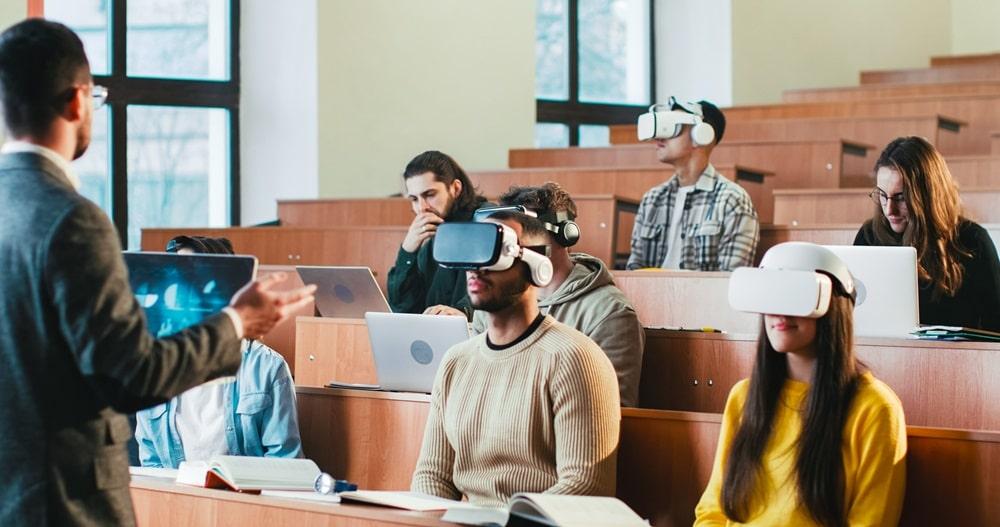
Affordable VR Solutions for Schools: Unlocking Engaging, Cost-Effective Classroom technology
Virtual Reality (VR) is transforming education by bringing lessons to life, enabling students to explore places, concepts, and ideas beyond the customary classroom. However, budget constraints often hold schools back from adopting cutting-edge technology. Affordable VR solutions for schools now make it possible to introduce immersive, interactive learning experiences without straining financial resources. In this article, we’ll explore cost-effective VR options for educators, share best practices for implementation, and highlight real-world success stories.
Why VR Technology Matters in Modern Education
virtual reality engages students by offering interactive and immersive learning. from virtual field trips to STEM labs, VR can:
- Increase retention and understanding through experiential learning
- Bridge gaps in access to resources or locations
- Enhance collaboration and problem-solving skills
- Support differentiated instruction for varied learning styles
with affordable VR solutions, schools can unlock these benefits without heavy upfront investment.
Affordable VR Solutions for Schools: Top Picks
Here are some of the most popular and budget-friendly VR solutions for classrooms:
1. google Cardboard
- Price: around $10-$15 per headset
- Compatible Devices: Most smartphones
- Best For: Simple VR experiences,360° videos,virtual tours
- Pros: Extremely low cost,easy to use,wide range of free VR apps
- Cons: Limited interactivity,basic hardware
Google Cardboard offers an easy introduction to VR learning using devices schools may already own. Many free educational apps support Cardboard, from exploring the human body to touring famous historical landmarks.
2. MERGE VR Headset
- Price: Around $49 per headset
- Compatible Devices: Most smartphones
- Best For: STEM learning, VR labs, science simulations
- Pros: Durable, designed for classroom use, supports AR
- Cons: Requires compatible devices, limited advanced features
The MERGE VR headset is purpose-built for teachers, supporting a wide range of educational content. The companion MERGE Cube brings objects to life in augmented reality (AR), fostering interactive science and math exploration.
3. Oculus Quest 2 (Meta Quest 2)
- price: Starting at $299 per headset
- Best For: Full VR experiences, collaborative projects, advanced simulation
- Pros: Standalone headset, rich content library, high-quality graphics
- cons: Higher upfront cost, may require bulk purchase discounts
While the Quest 2 is pricier than smartphone-based options, it delivers a standalone, high-quality VR experience and frequent educational discounts for bulk orders. Its robust ecosystem supports both individual and group learning scenarios.
4. ClassVR
- Price: $350 to $400 per headset, usually sold in class sets
- Best For: Curriculum integration, teacher control, scalable classroom deployments
- Pros: Dedicated support for schools, teacher management portal, pre-loaded content
- Cons: Requires upfront investment, less flexible for custom or third-party content
ClassVR offers a turnkey VR solution tailored for schools with centralized classroom management and guided lessons. Schools that purchase sets often receive training and support for seamless adoption.
How Schools Can Implement Cost-Effective VR Solutions
Implementing VR technology in the classroom doesn’t require a massive budget or technical expertise. Here are practical tips to maximize impact while minimizing expenses:
- Start small: Pilot with a handful of devices and scale after evaluating results.
- BYOD Programs: Use compatible devices students already own,such as smartphones.
- Leverage Free and Low-Cost Content: Explore open-source apps (e.g., Google expeditions, CoSpaces Edu, VR Math).
- Apply for Grants: Seek out educational technology grants and district funding dedicated to innovation.
- Professional Development: Train teachers through online tutorials or vendor workshops to maximize classroom impact.
- bulk Purchasing: Negotiate discounts or bundles through direct contact with VR suppliers.
Benefits of Affordable VR Solutions in the Classroom
When thoughtfully implemented, VR can deliver transformative educational outcomes. Some key benefits include:
- Increased Engagement: Interactive lessons capture student attention and curiosity.
- Accessibility: Equity in learning opportunities; students who can’t travel can visit museums, historical sites, and more through VR.
- Active Learning: students can manipulate objects, conduct experiments, or collaborate in virtual environments.
- Retention Boost: immersive experiences increase data retention, particularly in complex subjects like science and history.
- Adaptability: Content can be tailored to diverse age levels, language needs, and learning goals.
Case studies: Affordable VR Solutions in Action
Many schools have already adopted budget-friendly VR options to boost learning outcomes. Here are a few inspiring examples:
Discovery Elementary School (California)
- Piloted Google Cardboard in history classes
- Over 75% of students retained key facts from virtual field trips compared to 54% in traditional lessons
- Teachers reported increased classroom participation
St. mark’s Academy (UK)
- Adopted MERGE VR for science experiments in Year 5 and Year 6
- Reported improved test scores in STEM subjects and increased student collaboration
- Received grant funding to expand the program school-wide
Kingsview Middle School (Maryland)
- Implemented Oculus Quest 2 for remote learning during the pandemic
- Used social VR environments for group projects, foreign language practise, and geography
- Students expressed strongly positive feedback and higher motivation in surveys
First-Hand Teacher Experiences with Affordable VR
Teachers around the world attest to VR’s ability to invigorate learning. Here are a few firsthand experiences:
“Our students visited the pyramids of egypt and the Great Wall of China with Google Cardboard. Engagement skyrocketed, and even our most reserved learners participated enthusiastically!” – Ms. Harper, 6th Grade Teacher
“the MERGE Cube enabled our kids to analyze DNA strands and fossils like real scientists. It’s a game changer for hands-on learning.” – Mr. Dhillon, Science Department Head
Tips for Choosing the Right VR Solution for Your school
When selecting an affordable VR platform, consider:
- Budget: Factor in device cost, accessories, and content/subscription fees
- Curriculum Integration: Check for teacher guides and lesson compatibility
- Device Compatibility: Pick solutions that work with your available tech
- durability: Prioritize rugged headsets for regular classroom use
- Support & Training: Opt for platforms with strong educator support
Don’t hesitate to reach out to fellow educators, online forums, or VR vendors for firsthand advice before purchasing.
Conclusion: Embrace VR to Enrich Learning Without Breaking the Bank
Affordable VR technology is no longer out of reach for budget-conscious schools. By choosing the right solutions, leveraging grants, and starting small, you can bring engaging, cost-effective VR experiences to your classrooms. VR ignites curiosity, deepens learning, and prepares students for a digital future—without compromising your school’s budget. The possibilities are limitless; all it takes is the willingness to explore.
Ready to unlock engaging classroom technology? Start your journey with affordable VR solutions and transform education for your students today!