
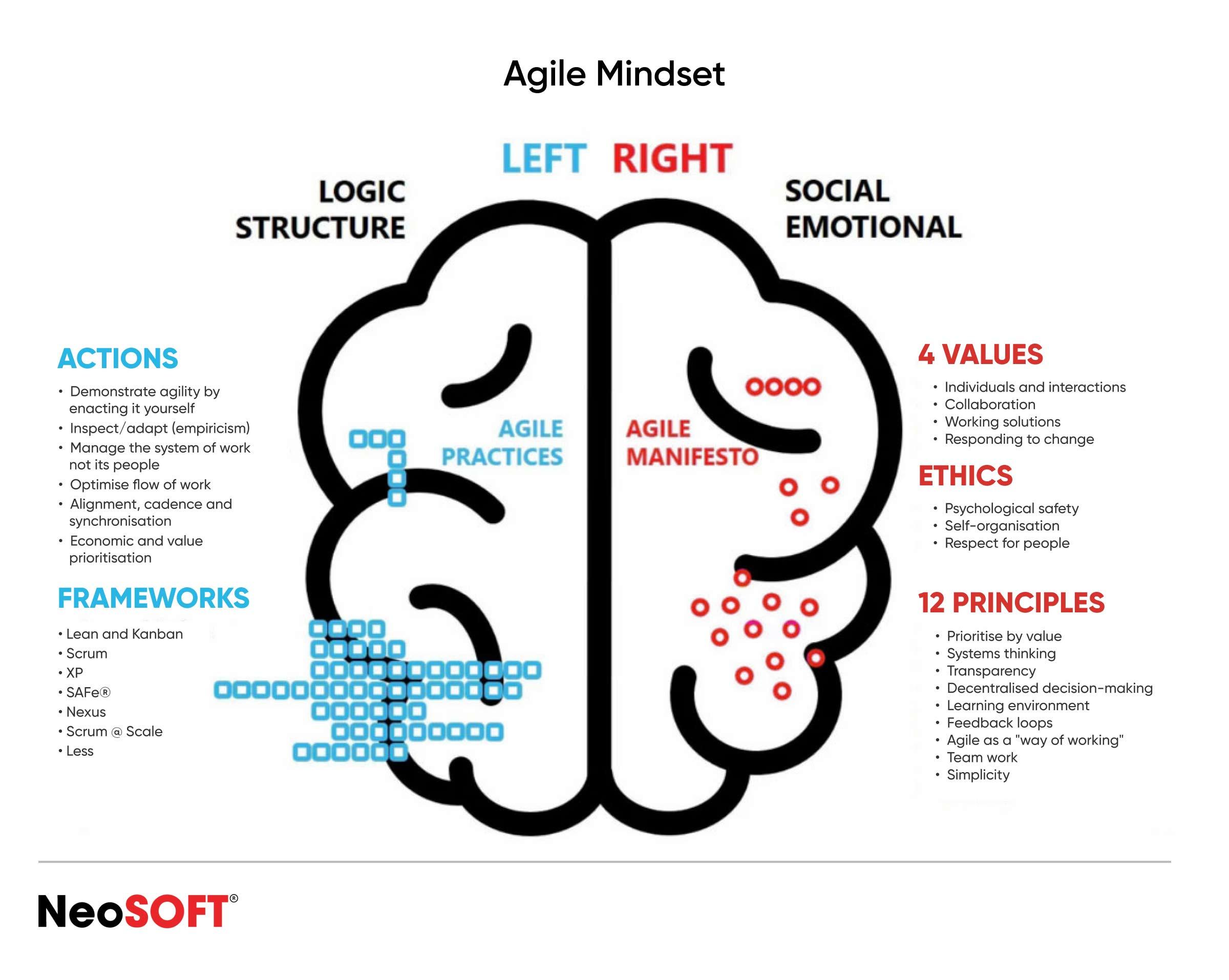
Agile Project Manager: Essential Skills, Roles, and Benefits Explained
Are you passionate about education technology and looking to advance your career as an Agile Project Manager at universities, colleges, or schools? If so, you’ve landed in the right place.Digital transformation is revolutionizing educational institutions, and Agile project Managers are becoming vital players in delivering accomplished EdTech projects. This comprehensive guide explores the key skills, responsibilities, and benefits of the Agile Project Manager role in the education sector, setting you up for success in your job search and future career.
Introduction: Agile Project Management in Education Technology
The education technology landscape is constantly evolving to meet the needs of students, teachers, and administrators. As schools, colleges, and universities adopt new digital platforms and learning solutions, the demand for skilled professionals who can drive these projects to completion has never been higher. Agile Project Managers are at the forefront, ensuring projects are delivered on time, within scope, and with maximum value for educators and learners.
What is an Agile Project Manager?
an Agile project Manager is a professional who leverages Agile methodologies to manage and deliver projects efficiently. Unlike traditional project managers, Agile pms focus on iterative progress, collaboration, and adaptability. In education technology, Agile Project Managers are responsible for overseeing the implementation of digital tools, e-learning systems, and other innovative solutions, helping institutions stay competitive and effective.
Key Responsibilities of Agile Project Managers in Education Technology
The role of an Agile Project Manager in educational settings extends beyond general project management. Here are the main responsibilities you can expect:
- Project Planning and Execution: Develop comprehensive project plans using Agile frameworks (Scrum, Kanban, etc.) tailored to the institution’s needs.
- Team Collaboration: Facilitate collaboration among cross-functional teams, including educators, IT staff, and administrators.
- Sprint Management: Organize and oversee sprints, ensuring tasks are prioritized and completed as per project timelines.
- Stakeholder Communication: Act as a key point of contact for stakeholders, providing clear updates and managing expectations.
- Risk Assessment and Mitigation: Anticipate potential risks and implement strategies to minimize impact on project objectives.
- Continuous Improvement: Foster a culture of ongoing learning and process enhancement within the team and institution.
- Integration & Testing: Oversee integration of new technologies and ensure thorough testing for quality assurance.
Essential Skills for Agile Project Managers in EdTech
To thrive as an Agile Project Manager in education technology, you’ll need a blend of technical, interpersonal, and organizational skills. Below are the most sought-after competencies:
- Agile Methodologies knowledge
Deep understanding of Agile practices such as Scrum, Kanban, or XP, tailored to EdTech project needs.
- Strong Communication Skills
Ability to convey complex ideas to diverse groups including non-technical staff, teachers, and senior leadership.
- Stakeholder Management
Build strong relationships and manage varied expectations effectively with internal and external stakeholders.
- Problem-Solving and Adaptability
Quickly address challenges and adapt plans to changing priorities in dynamic academic environments.
- Team Leadership
Inspire and support cross-functional teams, encouraging innovation and accountability.
- Time and Priority Management
Handle multiple projects and tasks efficiently without sacrificing quality or deadlines.
- Technical Proficiency
familiarity with EdTech platforms, educational software, and project management tools (Jira, Trello, Asana).
- Analytical Thinking
Analyze project metrics, assess risks, and use data-driven insights to drive improvement.
Certifications that Boost Your Job prospects
- Certified ScrumMaster (CSM)
- Agile Certified Practitioner (PMI-ACP)
- PRINCE2 Agile
- Certified Agile Project Manager (IAPM)
Earning these certifications demonstrates your commitment to excellence and can set you apart in the competitive EdTech job market.
benefits of Agile Project Managers in Education Technology
Working as an Agile Project Manager at a university, college, or school brings important benefits to both the institution and your personal career. Here’s how your role makes an impact:
- Faster time-to-Value: Agile methods allow for quicker development and deployment of educational technology solutions.
- Enhanced Collaboration: Teams work together more smoothly, sharing details and feedback openly.
- Higher Quality Outcomes: Iterative testing and stakeholder involvement lead to better technology implementations.
- Adaptability to Change: Agile PMs help institutions respond to policy shifts, new teaching methods, and emerging trends with flexibility.
- student and Staff Satisfaction: Successful project delivery boosts confidence in technology and supports impactful learning experiences.
- Career Advancement Opportunities: Gaining Agile experience in education opens doors to senior leadership roles or EdTech consulting.
challenges Faced by Agile Project Managers in Schools and Universities
While the role offers plenty of rewards, it’s significant to recognize common challenges you might encounter in academic settings:
- Resistance to Change: Educators or administrators may be hesitant to adopt new Agile processes and tools.
- Budget Constraints: Many schools have limited resources, requiring creative project solutions.
- Complex Stakeholder Groups: Navigating the interests of students, faculty, IT teams, and external providers.
- Regulatory Compliance: Ensuring all technology solutions meet legal and data protection standards.
- Legacy Systems: Integrating new EdTech with outdated infrastructure can be challenging.
Knowing these challenges prepares you to tackle them proactively and become a trusted leader in your institution.
Practical Tips for Job Seekers: How to Stand Out as an Agile Project Manager
If you’re searching for an Agile Project Manager position in education technology, here’s how to make your request shine:
- Highlight relevant Experience: Showcase previous project management roles, especially any involving EdTech or Agile practices.
- Showcase Your Certifications: List all Agile-related credentials in a dedicated section of your resume.
- Demonstrate Impact: Share specific results,such as improved project timelines or enhanced collaboration,from your previous work.
- Tailor Your Cover Letter: Explain why you’re passionate about educational transformation and agile methodologies.
- Stay Updated: Keep aware of the latest EdTech trends and Agile best practices through online courses and webinars.
- Network in the Education Sector: Attend industry conferences, join professional groups, and engage with thought leaders in education technology.
- Prepare for Behavioral Interviews: Practice discussing how you handled challenging project scenarios or promoted Agile principles with non-technical teams.
Conclusion: Embrace the Agile Project Manager Role in Education Technology
As universities, colleges, and schools accelerate their digital evolution, Agile Project Managers are indispensable to the success of technology initiatives. By mastering essential skills, understanding core responsibilities, and leveraging the benefits of Agile frameworks, you can drive meaningful change in education and advance your own career in this dynamic field.
If you’re ready to make a real difference as an Agile Project Manager in education technology, invest in your professional development, stay curious about emerging trends, and cultivate a collaborative mindset. Ther’s never been a better time to pursue excellence in this rewarding and impactful role!