
Agile project Manager: Key Roles,Skills,and Benefits Explained for EdTech Job Seekers
The world of education technology is transforming rapidly,with universities,colleges,and schools increasingly seeking innovative solutions to enhance learning experiences. If you’re a job seeker aiming to work as an Agile Project Manager in EdTech, understanding the crucial responsibilities, required skillset, and the advantages you bring to an organization will help you stand out. In this comprehensive guide, we’ll explore everything you need to know about this dynamic role within academic institutions—plus practical tips for landing your dream EdTech job.
What is an Agile Project Manager in Education Technology?
An Agile Project Manager specializes in applying Agile methodologies—such as Scrum, Kanban, and Lean—to oversee technology projects in educational environments. Unlike customary project managers, Agile Project Managers collaborate across departments, drive continuous improvement, and foster adaptive planning to ensure successful delivery of EdTech solutions that answer both educator and student needs.
- Universities may engage Agile PMs in managing digital library systems,online learning platforms,and campus-wide tech upgrades.
- Colleges ofen require project management for mobile course content, blended classroom experiences, and student management systems.
- Schools depend on Agile PMs to facilitate interactive learning technologies, administrative platforms, and standardized testing software deployment.
Key roles and Responsibilities
A professional Agile Project Manager in EdTech will be central to the success of technology adoption and utilization in academic settings. Here are the key roles and responsibilities you would typically assume:
-
Project Planning and Execution
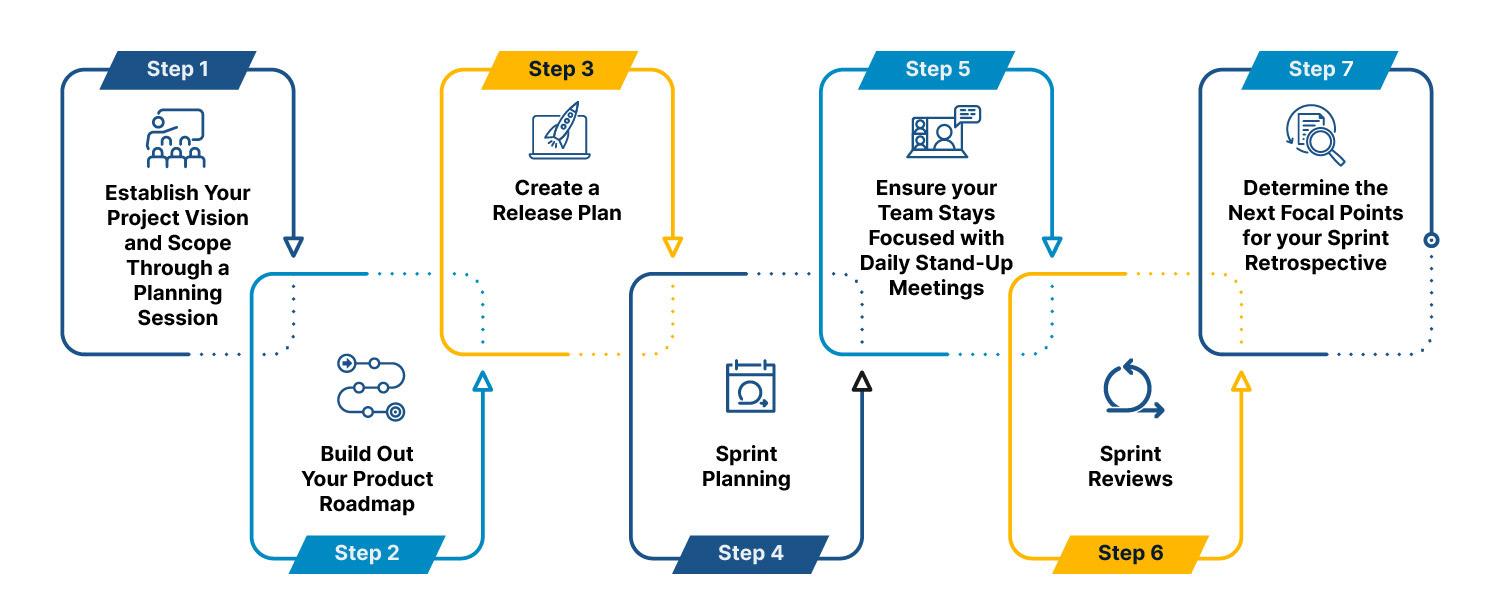
- Developing project roadmaps based on stakeholder input and institutional goals
- Defining scope, deliverables, timelines, and resource allocation
- Adjusting plans flexibly to accommodate evolving requirements
-
Facilitating Agile Practices
- Implementing Agile ceremonies: Daily stand-ups, sprint planning, retrospectives
- Promoting self-organizing teams to encourage collaboration and accountability
-
Stakeholder Engagement
- Acting as a bridge between educators, IT teams, and administrators
- Communicating project progress, risks, and achievements clearly and regularly
-
Risk Management and Problem Solving
- Identifying potential project roadblocks and mitigating risks proactively
- Encouraging adaptive responses to feedback and changes
-
Continuous Improvement
- Reviewing processes and outcomes to drive iterative enhancement
- Encouraging a growth mindset and innovation in educational technology projects
Essential Skills for Agile Project managers in EdTech
To excel as an Agile Project Manager in universities, colleges, or schools, candidates must possess a diverse set of hard and soft skills. Here’s a snapshot of the most sought-after competencies:
- Agile Framework Knowledge
- Deep understanding of Agile, Scrum, Kanban, and Lean methodologies
- Ability to train and coach teams in best practices
- Communication and Collaboration
- Clear, adaptive communication with both technical and non-technical stakeholders
- Conflict resolution and active listening abilities
- Technical Proficiency
- familiarity with EdTech platforms, educational software, learning management systems (LMS), and IT project tracking tools
- Comfort with data analytics and reporting tools to measure project success
- Leadership and Strategic Thinking
- Ability to motivate and guide cross-functional teams
- Strategic mindset to align technology projects with institutional objectives
- Change Management
- Ability to lead change initiatives, including training and process updates
- Managing resistance and championing adoption of new technologies
- Problem-Solving Skills
- Resourcefulness in identifying and resolving project challenges
- Data-driven decision-making
Benefits of Agile Project Management in Education technology
Embracing Agile project management brings a host of advantages to academic institutions, driving better results and improved satisfaction for all stakeholders. here are some of the top benefits to highlight during your job search or interview process:
- Faster Delivery and Reduced Downtime
- agile practices encourage incremental development, allowing users to experience EdTech features sooner
- Rapid adaptation and troubleshooting reduce disruptions in academic environments
- Higher Quality Solutions
- Feedback loops and continuous improvement help projects achieve high standards—critical in schools and universities
- Bespoke solutions tailored to institution-specific needs
- Enhanced stakeholder Collaboration
- Regular communication keeps teachers, students, and IT teams engaged throughout the project
- Shared ownership and accountability foster trust and productivity
- Greater Flexibility and Responsiveness
- Agile Project Managers shift priorities quickly to address curriculum changes, user feedback, or technological advances
- Adaptive planning ensures that EdTech projects remain relevant and effective
- Reduced Risk and Cost Overruns
- Early identification of risks minimizes costly errors and wasted resources
- Iterative releases allow for rapid course correction
Landing an Agile Project Manager Job in Universities, Colleges, or schools
If you’re aiming to get hired as an Agile Project Manager in education technology, the competition can be fierce but rewarding. Here are practical tips to help you secure your ideal position:
1. Tailor Your Resume and Cover Letter
- Highlight experience with agile methodologies and specific EdTech projects
- Mention collaboration with academic stakeholders, such as faculty or administrative teams
2. Attain Relevant Certifications
- Scrum Master, PMI-ACP, or Certified Agile Project Manager credentials can boost credibility
- Courses on education technology (like instructional design or LMS governance) are valuable
3. Build a Portfolio
- Showcase successful EdTech implementations or migrations you’ve managed
- Share case studies and quantifiable project outcomes (e.g., improved student engagement, cost savings)
4. Network in the Education Sector
- connect with EdTech professionals at conferences, meetups, or online communities
- Follow university and school technology initiatives to stay abreast of hiring trends
5.Prepare for Behavioral Interviews
- Expect questions about managing resistance to change and driving adoption of Agile in academic settings
- Demonstrate problem-solving approaches and stakeholder engagement techniques
Practical Tips for Succeeding as an Agile Project Manager in EdTech
Once you secure the role, thriving as an Agile Project Manager in universities, colleges, or schools requires ongoing dedication. Here are actionable strategies:
- Keep Learning
- EdTech evolves constantly—stay updated with the latest technologies and pedagogies
- Attend workshops and obtain continuous professional development credits
- Empower Your Team
- Encourage cross-functional teamwork and open feedback
- Facilitate a culture of transparency and shared goals
- Stay Student and Teacher-Centric
- Center project priorities around improving learning outcomes and user experiences
- Gather direct feedback from students and educators during Agile reviews
- Use Data Effectively
- Leverage analytics to monitor progress, user satisfaction, and impact
- Make smart adjustments informed by real evidence
- Promote Agile Culture
- Host regular Agile workshops for staff and faculty
- share best practices and success stories across departments
Conclusion
The need for skilled Agile Project Managers in education technology is growing as universities, colleges, and schools strive to deliver cutting-edge, personalized learning experiences. By mastering Agile methodologies,nurturing cross-functional teams,and staying committed to continuous improvement,you’ll add immeasurable value to academic institutions. Use the tips and insights above to prepare for your next EdTech project management role—and make a difference that echoes through the future of education.