
Agile Project Manager: Key Roles, Skills, and Career Growth Explained
Are you fascinated by technology’s potential to transform education, and passionate about project management methodologies like Agile? If you’re seeking a rewarding career in education technology, landing the role of Agile Project Manager at universities, colleges, or schools could be your ideal path. This thorough guide explores what it means to be an Agile Project Manager within the EdTech sector, detailing key responsibilities, in-demand skills, benefits, practical strategies, and career growth prospects. Whether you’re a seasoned professional or just starting out, discover how you can thrive in this dynamic and impactful position.
Understanding the Agile Project Manager Role in Education Technology
The Agile Project Manager is a pivotal figure in driving innovation and triumphant delivery of education technology solutions.At universities, colleges, and schools, the Agile PM bridges the gap between technology teams, educators, and administrative staff, ensuring that EdTech projects meet both pedagogical goals and institutional requirements.
What Does an Agile Project Manager do?
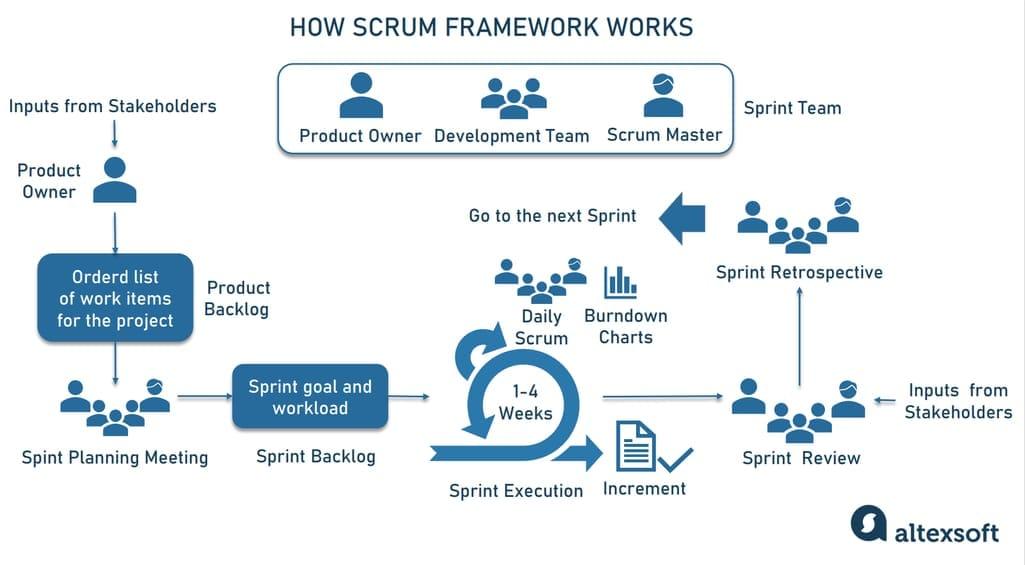
- Facilitates Agile Processes: Implements frameworks like Scrum or Kanban to enhance collaboration and foster rapid development cycles.
- Leads Cross-functional Teams: Coordinates developers, instructional designers, IT staff, faculty, and stakeholders to achieve project objectives.
- Manages Project Timelines: Ensures delivery of EdTech products—such as learning management systems or digital curricula—within deadlines and budgets.
- Adapts to Changing Requirements: Navigates evolving educational needs, feedback, and technology trends by iterative planning and delivery.
- Promotes Continuous Enhancement: Analyzes project outcomes and team performance to drive further enhancements and foster a culture of learning.
In educational environments, Agile Project Managers must not only oversee technical deliverables but also understand pedagogy, compliance, and user engagement—their unique blend of skills makes their role indispensable in EdTech initiatives.
Essential Skills for Agile Project Managers in EdTech
To succeed as an Agile Project Manager in education technology, a combination of technical, interpersonal, and industry-specific skills is essential. Here are the top competencies that universities, colleges, and schools seek in candidates:
Core Project Management Expertise
- Agile methodologies: Proficient in Scrum, Kanban, Lean, or XP; certified ScrumMaster (CSM) or PMI-ACP often preferred.
- Planning & Prioritization: Crafts detailed sprints, manages backlogs, and adapts to priority shifts.
- Risk Management: Identifies obstacles—technical or educational—and devises mitigation strategies.
Education Technology Knowledge
- edtech Tools: Familiarity with learning management systems (LMS), e-learning platforms, content authoring tools, and analytics dashboards.
- Instructional Design Principles: Understanding of curriculum development, student assessment, and digital pedagogy.
- Compliance & Accessibility: Awareness of FERPA, ADA, or other regulatory guidelines relevant to education technology.
Leadership & Communication
- Stakeholder Management: Aligns project vision with institutional goals; communicates progress and challenges effectively.
- Conflict Resolution: Navigates team dynamics and resolves misunderstandings rapidly.
- Empathy & Adaptability: Responds compassionately to educators’ and learners’ needs in addition to technical challenges.
Technical & Analytical Abilities
- Data Analysis: Interprets usage statistics, feedback, and learning outcomes to inform next steps.
- Basic Coding or IT Skills: Reading code or scripts, API integrations, and troubleshooting—especially valued in smaller schools or start-ups.
Cultivating these skills will set you apart as a job seeker and empower you to deliver impactful EdTech projects.
Responsibilities of Agile Project Managers at Universities,Colleges,and Schools
The day-to-day responsibilities of an Agile Project Manager in education technology can vary depending on the institution’s size and its tech maturity,but generally include:
- Project Planning: Developing user stories,setting sprint goals,and allocating team resources.
- Stakeholder Engagement: Running regular demos and feedback sessions with faculty, students, and IT departments.
- Quality Assurance: Overseeing testing phases and ensuring EdTech products meet educational standards and usability guidelines.
- Change Management: Leading training, onboarding, and support for educators and learners adopting new technologies.
- Performance Measurement: tracking project KPIs,reporting outcomes,and recommending improvements.
In addition, Agile Project Managers are often responsible for mentoring junior team members and fostering a collaborative team culture—a role that universities and schools highly value.
Career Growth and Opportunities in EdTech Project Management
The education technology sector is growing rapidly, powered by increasing digitalization and demand for innovative learning solutions. Agile Project Managers enjoy diverse career paths and advancement opportunities at:
- Universities & Colleges: Large institutions with complex IT and academic projects, offering specialization in digital conversion, instructional technology, or research initiatives.
- Schools & Districts: Opportunities to influence K-12 technology adoption and improve student engagement through pilot programs and scalable platforms.
- EdTech Vendors & Startups: Fast-paced environments with potential for leadership roles in product management,solution architecture,or business development.
Typical progression for Agile Project Managers in EdTech includes moving into:
- Senior Project Manager
- Program Manager
- Director of Technology
- Chief Learning Officer
- edtech Consultant
With experience and continued learning, Agile PMs can expect competitive salaries, leadership opportunities, and the chance to make a lasting impact on education innovation.
Benefits of Becoming an Agile Project Manager in Education Technology
Pursuing a career as an agile Project Manager at universities, colleges, or schools brings unique rewards:
- Mission-Driven Impact: Empowering educators, improving student outcomes, and shaping the future of learning.
- Professional Diversity: Interacting with technologists, teachers, administrators, and external partners.
- Continuous Learning: Immersion in new pedagogical models, software tools, and Agile practices.
- Work-Life Balance: Many educational institutions offer flexible schedules, generous holidays, and supportive work cultures.
- Career Security: Strong demand for EdTech specialists as digital transformation accelerates in education.
How to Become an Agile Project Manager in Education Technology: Practical Tips for Job Seekers
If you’re ready to start—or advance—your career as an Agile Project Manager in EdTech, follow these practical strategies:
1. Gain Relevant Certifications
- Agile/Scrum Certifications: ScrumMaster (CSM), PMI-Agile Certified Practitioner (PMI-ACP), or safe Agilist credentials signal your expertise.
- Education Technology Credentials: Certificates in instructional design, e-learning development, or educational leadership are valuable in the sector.
2.Build a Strong EdTech Portfolio
- Showcase completed projects involving LMS integrations, digital curriculum launches, or student engagement initiatives.
- Include project narratives that highlight Agile processes and educational impacts.
3. Network with Education Leaders
- Attend EdTech conferences,webinars,or meetups—many universities and colleges host local or virtual events.
- Engage with professional associations such as ISTE, EDUCAUSE, and local school tech councils.
4. Customize Your Resume and Applications
- Use keywords like “Agile project Manager,” “EdTech,” ”Scrum,” and “learning management system” throughout your resume and cover letters.
- Quantify achievements—highlight faster project delivery, improved student outcomes, or increased faculty engagement.
5. Prepare for Interviews
- Practice responding to behavioral questions about teamwork,conflict resolution,and change management.
- Be ready to share real-world examples of using Agile to improve technology adoption in education settings.
Building expertise with specific EdTech platforms—like canvas, Blackboard, or Moodle—will make you stand out, especially at institutions committed to digital learning.
Conclusion: Launch Your EdTech Project Management Career
The role of Agile Project Manager at universities, colleges, and schools is central to the ongoing evolution of education technology. By mastering Agile frameworks, nurturing your skills, and understanding the unique challenges of educational settings, you’ll be well-positioned to contribute meaningfully and advance professionally. As digital transformation accelerates across education, the demand for qualified Agile Project Managers will only grow—offering diverse career pathways, attractive employment benefits, and the satisfaction of shaping the future of learning.
If you’re ready to pursue this dynamic and fulfilling career, start by sharpening your agile expertise, building your EdTech portfolio, and connecting with educational institutions seeking leaders like you. Your journey in education technology project management is just beginning—and the opportunities ahead are both exciting and transformative.