
Agile Project Manager: Key Roles, Skills, and career Path Explained
Are you passionate about harnessing technology to revolutionize education? If you’re considering a career in education technology—better known as EdTech—at universities, colleges, or schools, the role of an Agile Project Manager might be the perfect fit for you. In today’s fast-paced academic environments, Agile practices are essential for leading cross-functional teams, driving innovation, and delivering projects that enhance teaching and learning. This article provides a extensive guide to the Agile Project Manager role in edtech, covering responsibilities, essential skills, career progression, benefits, and practical tips to help you succeed.
Introduction to Agile Project Management in education Technology
Agile Project Managers are increasingly sought after in academic institutions, where the demand for digital transformation and tech-driven learning is growing rapidly. Agile methodologies—such as Scrum, Kanban, and Lean—are used to break down intricate projects into manageable segments, foster collaboration, and ensure rapid delivery of high-quality solutions. In the context of EdTech, Agile Project managers play a pivotal role in launching learning platforms, integrating digital tools, managing software development, and implementing innovation-focused initiatives within universities, colleges, and schools.
Key Roles and responsibilities of an Agile Project Manager in EdTech
The scope of an Agile Project Manager at an educational institution can be both broad and specialized. Here are the core duties typically associated wiht this position:
- Project Planning and Association: Structuring project timelines, defining deliverables, and allocating resources from the initial idea to the completion of EdTech projects.
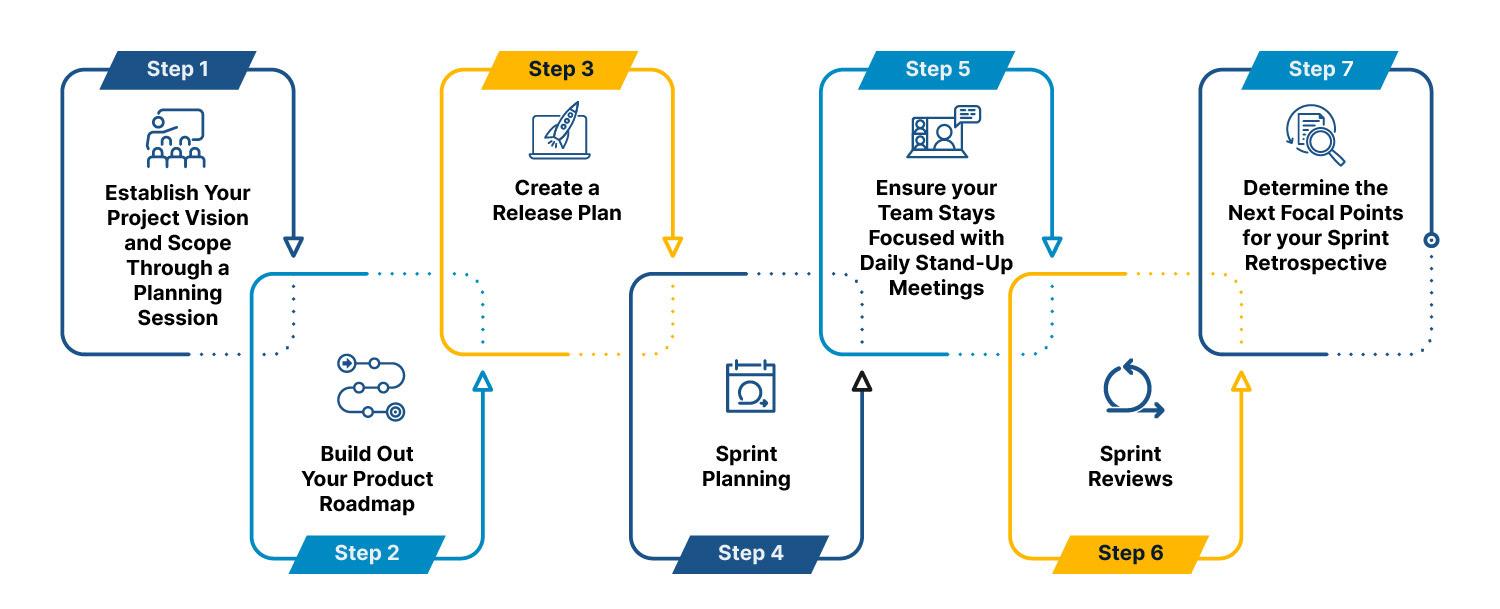
- Facilitating Agile ceremonies: Leading daily stand-ups,sprint planning,reviews,and retrospectives to promote iterative progress and continuous betterment.
- Stakeholder Management: Coordinating with academic staff, IT teams, external vendors, administrators, and students to align project objectives with institutional goals.
- Risk Assessment and Mitigation: Identifying potential risks connected to technological and organizational changes, and designing strategies to tackle them.
- Monitoring Project Progress: Using agile tools (Jira, Trello, etc.) to track tasks, report on milestones, and ensure deliverables are met on time and within budget.
- Coaching and Mentoring: Guiding team members to adopt Agile best practices, encouraging collaboration and owner mentality.
- Continuous Improvement: Gathering feedback,prioritizing updates,and iterating on EdTech solutions to ensure they meet the evolving needs of educators and learners.
Essential Skills for Agile Project Managers in EdTech
To succeed and thrive in this dynamic role, mastering both technical and interpersonal abilities is crucial. Education technology projects often demand specialized know-how and adaptability. Here are key skills every Agile Project Manager should cultivate:
- Agile Methodology Expertise: Proficiency in Scrum, Kanban, and other Agile frameworks is essential for effective project delivery.
- Technical Literacy: Understanding digital platforms, edtech tools, databases, and software development processes relevant to academic settings.
- Leadership and Team Building: Inspiring cross-functional teams and cultivating a culture of collaboration and accountability.
- Effective Communication: Explaining complex concepts to non-technical stakeholders, resolving conflicts, and keeping everyone aligned.
- Problem-Solving Aptitude: Quickly diagnosing challenges and formulating actionable solutions,especially in evolving educational environments.
- Stakeholder Engagement: Building rapport with faculty, students, and administrative staff to ensure buy-in and maximize project impact.
- Time Management: Balancing multiple priorities,keeping projects on track,and delivering quality outcomes to tight schedules.
- Data-Driven Decision Making: Analyzing metrics and feedback to inform project directions and drive continuous improvements.
Career Path and Opportunities in Education Technology
pursuing a career as an Agile Project Manager in education technology can open diverse doors in academic and commercial sectors. Here’s what a typical career journey might look like:
- Entry-level Roles: Start as a Project Coordinator, Scrum master, or IT Analyst supporting edtech projects in schools or universities.
- Agile Project Manager: Lead project teams, oversee the implementation of technology initiatives, and deliver solutions that transform classroom experiences.
- Senior PM or Program Manager: Manage multiple large-scale projects, mentor junior staff, and collaborate with educational leaders on strategic transformation goals.
- Director of Educational Technology: Shape institutional digital strategy, manage portfolios of EdTech initiatives, and drive long-term change.
- Consultant or trainer: Advise educational organizations on Agile adoption and best practices, helping to extend impact beyond a single institution.
As education technology continues to evolve, opportunities for experienced Agile project Managers in academic settings are expected to grow significantly, especially at universities and colleges implementing hybrid learning, online assessments, and AI-powered support tools.
Benefits of Working as an Agile Project Manager in EdTech
Wondering why you should pursue a position as an Agile Project Manager in the educational sector? Here are some motivating benefits:
- High Impact Work: Play a direct role in shaping how students learn, teachers teach, and institutions innovate.
- Dynamic Environment: Collaborate with diverse academic and IT teams,working on cutting-edge technology projects.
- Professional Development: Regular exposure to new methodologies, tools, and educational trends fosters continuous learning and skill enhancement.
- Competitive Compensation: EdTech roles, especially at universities or colleges, often offer attractive salary packages and benefits.
- Job Security and Growth: Demand for EdTech professionals is on the rise, ensuring future opportunities and career progression.
- Personal Fulfillment: Contribute to meaningful projects that improve educational equity and impact students’ futures.
Practical Tips for Landing an Agile Project Manager Job in Education Technology
If you’re ready to pursue your dream job in EdTech, use these practical strategies to set yourself apart as a strong candidate for the Agile Project Manager role:
- Build Agile Credentials: Obtain certifications like Certified ScrumMaster (CSM), PMI-Agile Certified Practitioner (PMI-ACP), or others relevant to project management.
- Gain EdTech Experience: Volunteer for technology-related projects within education settings or intern with organizations focused on digital transformation in academia.
- Showcase Technical Skills: Highlight your proficiency with popular EdTech platforms (e.g.,Moodle,Blackboard,Canvas) and Agile project management tools on your resume.
- Develop Stakeholder Skills: Practise communicating effectively with educators, students, and administrators to demonstrate your ability to manage diverse teams.
- Stay Current: keep up to date with emerging trends in education technology and Agile practices to bring fresh ideas into your job search.
- Network: Engage with EdTech professionals at conferences, workshops, or online forums to learn about opportunities and establish valuable connections.
Conclusion
By blending organizational leadership, technical acumen, and Agile expertise, Agile Project Managers are transforming the role of technology in education. Academic institutions—whether universities, colleges, or schools—are on the lookout for skilled professionals who can manage projects that empower teachers, inspire learners, and drive institutional change. Whether you’re pivoting from IT, already in academia, or just beginning your career in education technology, pursuing this role offers a rewarding path filled with growth and impact. Use the insights and tips provided in this article as you take your next steps toward a thriving career in EdTech project management.