
Agile Project Manager: Key Skills, Roles, and Career Path Explained
are you passionate about technology and education? Considering a job in education technology at a university, college, or school? If so, the role of an Agile Project Manager could be your perfect career path. As digital transformation reshapes campuses and classrooms, educational institutions rely on skilled agile professionals too led tech-driven projects—and your expertise can make an impact on students’ learning experiences.
Why Agile Project Management in Education Technology?
The shift toward education technology (edtech) within schools, colleges, and universities has accelerated rapidly. Digital platforms, e-learning solutions, data-driven analytics, and new software applications are now central to operations and instruction. Agile Project Managers play a vital role in facilitating the prosperous delivery of these innovative tools by applying agile methodologies that prioritize collaboration, adaptability, and value delivery.
- Smooth rollout of educational technologies
- Faster response to policymakers’, teachers’, and students’ evolving needs
- continuous enhancement of digital learning environments
What Does an Agile Project Manager Do in EdTech?
In the context of educational institutions, an Agile Project Manager leads the planning, execution, and delivery of technology projects using agile frameworks such as Scrum or Kanban. this involves cross-functional collaboration with IT teams, faculty members, administrators, and technology vendors to deliver tools and platforms that support teaching, learning, and governance.
Core Responsibilities
- Project Planning: Define project scope, deliverables, and timelines in partnership with educational stakeholders.
- Team Facilitation: Organize and lead agile ceremonies (sprint planning, stand-ups, retrospectives) to foster teamwork and accountability.
- Stakeholder communication: Act as the main point of contact between leadership, instructional staff, IT teams, and students to gather requirements and feedback.
- Risk Management: Identify roadblocks, mitigate risks, and adapt to changing priorities with agility.
- Delivering Value: Ensure educational technology projects align with institutional goals and deliver measurable benefits for users.
- Continuous improvement: Foster a culture of learning and iterative enhancement of digital platforms and processes.
Key Skills for Agile Project Managers in Education Technology
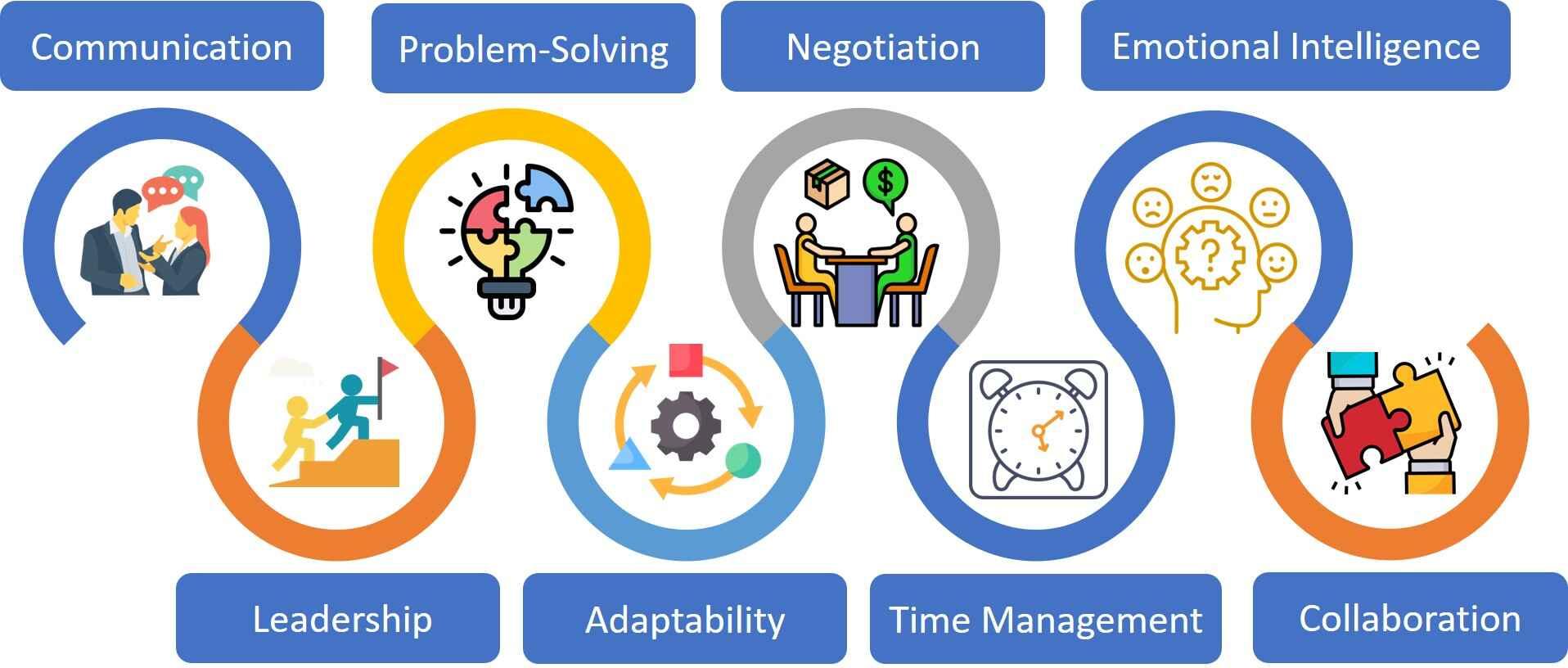
To thrive as an Agile Project Manager in a university, college, or school environment, you’ll need a mix of technical expertise, interpersonal skills, and a solid grasp of agile principles. Here’s what employers in the EdTech space typically seek:
- Agile Methodology Expertise: Proficiency in Scrum, Kanban, or other agile frameworks tailored to software and technology projects.
- Leadership & Facilitation: Ability to motivate cross-functional teams, resolve conflicts, and keep everyone aligned and engaged.
- Technical Know-how: Understanding of software growth lifecycles, cloud technologies, and education-specific digital tools.
- Communication Skills: Clear, inclusive, and clear communication with diverse stakeholders, from IT professionals to school principals or faculty.
- Problem-Solving: Critical thinking and adaptability to resolve challenges creatively and quickly.
- Change Management: Guiding teams thru organizational transformation, process updates, or the adoption of new technologies.
- Time and Resource Management: effective prioritization and scheduling to deliver projects on time and within budget.
- Empathy: Understanding the unique needs of teachers, students, and staff in educational environments.
Career Path: how to Become an Agile Project Manager in EdTech
Whether you’re just starting your career or transitioning from another field, here’s a roadmap to becoming an Agile Project Manager in education technology at universities, colleges, or schools:
- Education: A bachelor’s degree in information technology, computer science, business administration, education, or related fields is typically required. Some organizations may favor candidates with a master’s degree or certifications in education technology.
- Gain Experience: Seek entry-level roles such as project coordinator,IT analyst,or business analyst in the education sector. Practical experience with EdTech tools, digital platforms, or academic projects is highly beneficial.
- Agile Training and Certification: Courses and certifications such as Certified ScrumMaster (CSM), PMI Agile Certified Practitioner (PMI-ACP), or SAFe Agilist can demonstrate your expertise in agile project management.
- Build Soft Skills: Communication, collaboration, leadership, and stakeholder management are key to excelling in education settings.
- Network Within EdTech: Attend conferences, webinars, or local meetups to connect with education technology professionals and stay abreast of industry trends.
- Apply for Agile Project Manager Roles: Search for EdTech careers at universities, colleges, or K-12 schools. Look for roles in IT departments, e-learning teams, or digital transformation offices.
With experience, you may advance into senior project manager, program manager, or director-level roles, overseeing multiple projects and shaping the digital strategy of your institution.
Benefits of Being an Agile Project Manager in Education Technology
Joining the education technology sector as an Agile Project Manager comes with a host of professional and personal benefits:
- Purposeful Work: Impact the learning journeys of students and empower educators with cutting-edge tools.
- Dynamic Environment: Engage with innovative projects that transform traditional classrooms and administrative processes.
- Career Growth: Opportunity to specialize further in data analytics, learning management systems, or broader digital transformation roles.
- Stability & Demand: Growing reliance on technology in education ensures steady demand for agile project management professionals.
- Work-Life Balance: Many education institutions offer flexible schedules, generous leave policies, and a collaborative atmosphere.
Challenges You Might Face
The voyage to becoming a successful Agile Project Manager in education technology is rewarding, yet not without unique challenges:
- Change Resistance: Faculty and administrators may be hesitant to adopt new technologies; strong change management skills are essential.
- budget Limitations: Many institutions operate under tight budgets. Creative resource management and prioritization are must-have skills.
- Diverse Stakeholders: Balancing the needs of IT, faculty, students, and external vendors requires empathetic negotiation and clear communication.
- Compliance & Privacy: Projects may be subject to regulations around data privacy (like FERPA), accessibility, and ethical use of technology in schools.
Practical Tips for Landing Your First EdTech Agile Project Manager Role
Ready to take the next step? Here are some tips to help you stand out:
- Tailor Your Resume: Highlight relevant skills such as agile leadership, EdTech tools, experience working with diverse education stakeholders, and measurable project successes.
- Showcase Certifications: List all relevant agile and project management certifications clearly in your resume and online profiles.
- Prepare for Interviews: Be ready to discuss how you have led teams, navigated challenges, and delivered projects in educational or technology-driven environments.
- Demonstrate Soft Skills: Successful Agile Project Managers in education must show empathy, patience, and a facilitative leadership style.
- Learn About Education Policy: Understanding educational standards, curriculum requirements, and compliance needs can set you apart.
Conclusion: Is an Agile Project Manager Role in Education Technology Right for You?
The demand for skilled Agile Project Managers in education technology is on the rise at universities, colleges, and schools around the globe. This career path uniquely blends leadership,technology,and the opportunity to make a lasting educational impact. If you’re ready to help shape the future of learning while advancing your own professional journey, now is the ideal time to step into this rewarding field. equip yourself with the right skills, certifications, and passion for education—and you’ll find countless opportunities to succeed.
Begin your career pursuit today and take your place at the forefront of educational innovation as an Agile Project Manager!