
agile Project Manager: Key Skills, Roles, and Career Paths Explained
Are you passionate about driving innovation in education technology and considering the role of Agile Project manager at a university, college, or school? In today’s digital learning landscape, educational institutions are eager to hire professionals who can lead technology projects using agile methodologies. This comprehensive guide unpacks everything you need to know about the Agile Project Manager career path in education technology—from essential skills and core responsibilities to practical tips and career progression opportunities. Whether you’re just beginning your journey or looking to make a strategic career move, read on to discover how you can become a change-maker in academic environments.
Why Agile Project Management is Vital in education Technology
Education technology (edtech) is transforming the way students learn, teachers instruct, and schools operate. With universities and colleges investing in digital platforms, learning management systems, and online resources, the demand for project managers who can deliver value quickly and adapt to changing requirements is soaring.Agile project management offers a flexible framework that empowers teams to:
- Respond swiftly to new educational trends and needs
- Deliver incremental improvements for timely feedback
- Collaborate efficiently across departments and stakeholders
- Create student-centered and effective digital solutions
As an Agile Project Manager in education technology,you’ll be driving innovation and improvement in academic settings,making a tangible impact on how education is delivered.
Core Responsibilities of an Agile Project Manager in EdTech
Agile Project Managers in universities, schools, or colleges are responsible for overseeing technology projects from inception to release using agile frameworks, such as Scrum or Kanban. Typical responsibilities include:
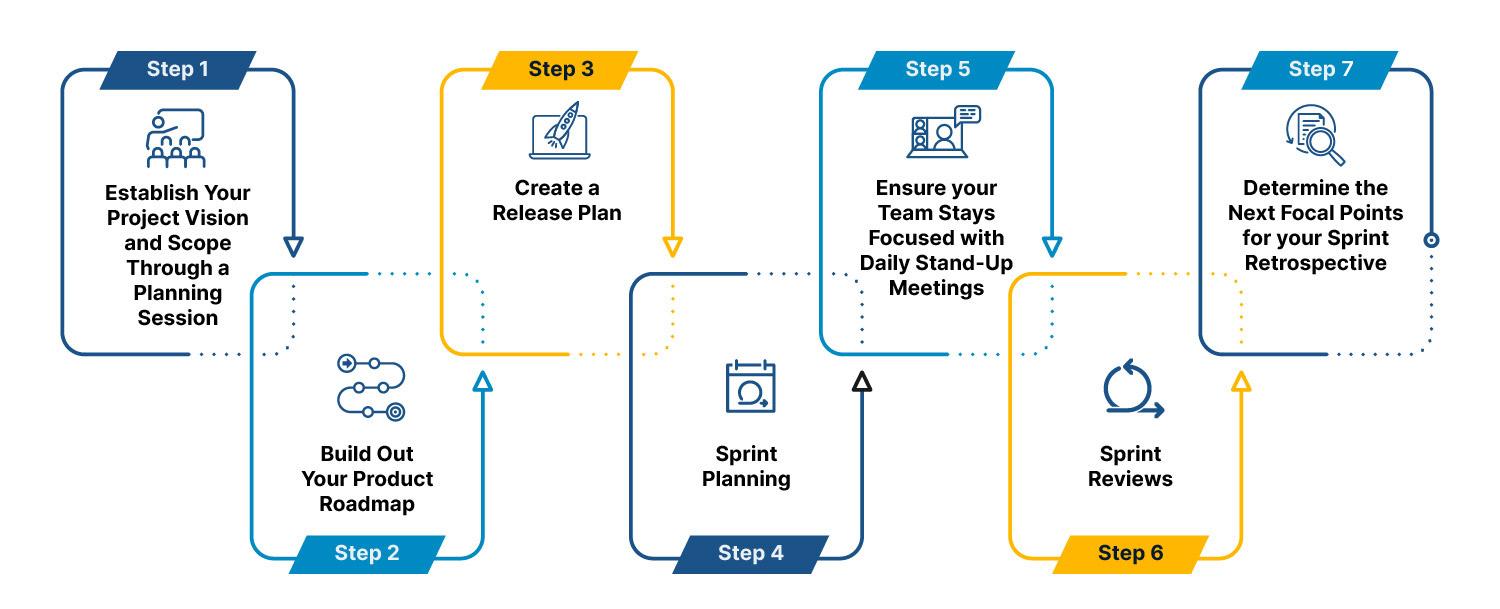
- Facilitating agile ceremonies: Running daily stand-ups, sprint planning, reviews, and retrospectives
- Coordinating cross-functional teams: Bringing together IT, instructional designers, educators, and administrators
- Managing project timelines and deliverables: Ensuring tasks are completed on schedule and within scope
- Prioritizing user stories and features: working closely with Product Owners to align project goals with institutional needs
- Removing obstacles: Identifying and addressing roadblocks to keep the team focused and productive
- Communicating project status: Providing regular updates to stakeholders, leadership, and faculty
- Promoting continuous improvement: Implementing feedback loops for ongoing refinement of processes and outcomes
These core functions ensure that EdTech projects deliver high-value solutions that enhance teaching and learning experiences at educational institutions.
Key Skills for Agile Project Managers in Education Technology
Triumphant Agile Project Managers combine technical expertise with leadership and interpersonal skills. The most sought-after skills include:
- Agile Framework proficiency: Hands-on experience with Scrum, Kanban, lean, or other agile methodologies
- Educational Technology Knowledge: Understanding of digital learning tools, e-learning platforms, and how technology supports curriculum delivery
- Dialog & Collaboration: Clear verbal and written communication skills, including the ability to facilitate meetings and workshops
- Problem-Solving ability: Analytical skills to identify issues, assess risks, and find effective solutions
- Stakeholder Management: Experience in aligning diverse stakeholder interests—including teachers, IT staff, students, and administrators
- Change Management: Ability to guide teams and departments through organizational and technological changes
- Leadership: Motivating teams, fostering accountability, and nurturing a culture of innovation and continuous learning
- time & Resource Management: Balancing priorities, managing competing deadlines, and optimizing resource allocation
Additional skills such as familiarity with project management software, metrics tracking, and budgeting can further enhance your employability in the education sector.
Benefits of Pursuing an agile Project Manager Role in Education Technology
Opting for a career as an agile Project Manager within academia offers unique rewards:
- Meaningful Impact: Help shape the future of learning by deploying impactful technology solutions
- Professional Growth: Develop valuable cross-disciplinary experience working with educators, developers, and administrators
- Job Security: The ongoing digital conversion of education ensures high demand for EdTech project managers
- Continuous Learning: Stay ahead of technology trends and agile best practices
- Collaborative Surroundings: Work alongside passionate teams committed to improving teaching and learning
- Competitive Compensation: Enjoy attractive salaries and career progression within higher education, K-12, or private sector schools
Career Paths and Growth Opportunities
Starting as an Agile Project Manager in education technology opens diverse career paths for advancement within or beyond the academic sector. Common progression routes include:
- Senior Agile Project Manager: Lead multiple large-scale projects or manage a team of project managers
- Program Manager: Oversee portfolios of related projects, aligning them with institutional strategic goals
- Director of Educational Technology: Shape technology vision and implement system-wide solutions for teaching and learning
- Product Owner or Product Manager: Own the progress lifecycle for key educational offerings
- Consultant: Advise universities, colleges, or K-12 schools on agile transformation and EdTech implementation strategies
Many Agile Project Managers also pursue further certifications like PMI-ACP, Certified ScrumMaster (CSM), or SAFe Agilist, which can accelerate career advancement and increase earning potential.
Practical Tips for Landing an EdTech Agile Project Manager Job
- Gain relevant Experience: Build your portfolio by managing projects in education, technology, or nonprofit sectors. Volunteer for cross-functional initiatives in your current role that involve educational software, platforms, or process improvements.
- Understand Academic Stakeholders: Familiarize yourself with the unique needs of educators, students, and administrators. Highlight projects where you balanced these perspectives to deliver successful outcomes.
- Earn Agile Certifications: Obtain credentials such as Certified ScrumMaster (CSM) or PMI-Agile Certified Practitioner (PMI-ACP) to showcase your commitment to agile best practices.
- Expand Your Technical Skills: Stay updated on trends in education technology including Learning Management Systems (LMS), virtual classrooms, and adaptive learning platforms.
- Network in Professional Communities: Attend EdTech conferences, join relevant online groups, and connect with academic technology professionals on LinkedIn.
- Tailor Your Resume: Include measurable achievements from previous projects, focusing on outcomes, team collaboration, and impact on learners or educators.
- Prepare for Behavioral Interviews: Be ready to demonstrate how you applied agile principles to overcome challenges, foster teamwork, and deliver value in tech-enhanced environments.
Frequently Asked questions
What industries beyond education hire Agile Project Managers?
Agile Project Managers are in demand across various sectors, including software development, healthcare, finance, and government. Their expertise in fostering adaptability and delivering results makes them valuable in any institution pursuing digital transformation.
Do I need a background in teaching to work as an agile Project Manager in EdTech?
While teaching experience can be beneficial, it’s not a strict requirement. Employers primarily seek strong project management, communication, and agile skills combined with a solid understanding of technology and the needs of educational institutions.
Can I work remotely as an Agile Project Manager in education?
Yes, many universities and online schools offer remote or hybrid work arrangements for Agile Project Managers, especially as EdTech expands to facilitate online learning and virtual collaboration.
Conclusion
The Agile Project Manager role is at the heart of education technology transformation in universities, colleges, and schools. by mastering agile methodologies and cultivating essential project management skills, you can unlock rewarding career opportunities and help shape the future of learning. Whether you’re advancing digital platforms in higher education or streamlining classroom technology for K-12, your work will directly impact students, educators, and institutional success. Start your journey today—invest in your skillset, build your professional network, and become a sought-after leader in the world of EdTech.