
Agile Project Manager: Key Skills, Roles & Career Path Explained for EdTech Jobs
Are you considering a dynamic career as an Agile Project Manager in education technology? The world of EdTech is thriving, with universities, colleges, and schools actively seeking professionals who can drive innovative projects through agile methodologies.In this comprehensive guide, we’ll cover the core skills, everyday responsibilities, career path insights, practical benefits, and tips for landing an Agile Project Manager position in the education sector.
What Is an Agile Project Manager in Education Technology?
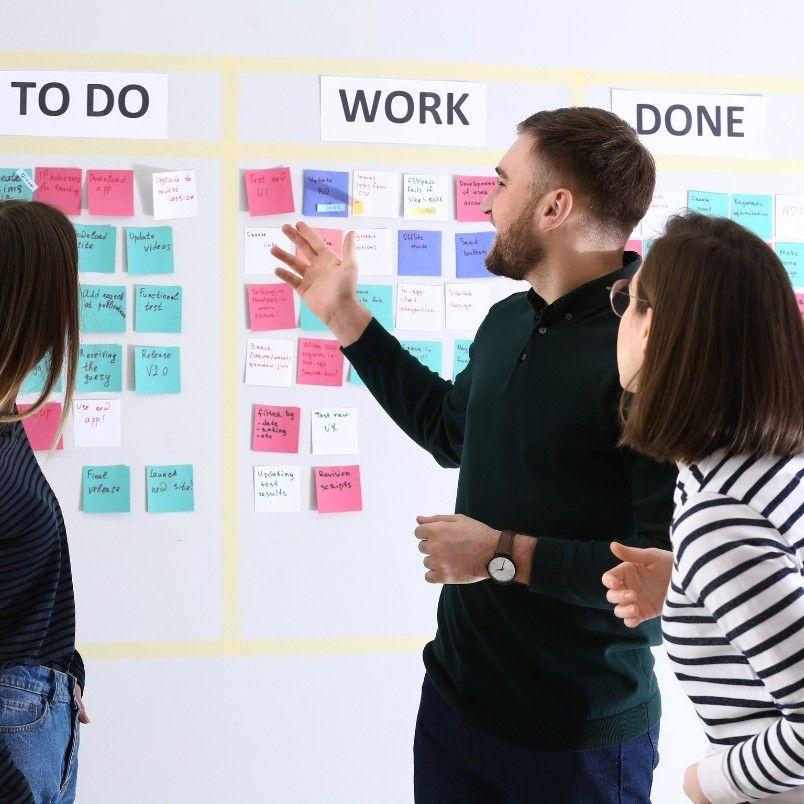
An Agile Project Manager is a pivotal figure in the delivery of technology-driven solutions within educational institutions. Unlike customary project managers, Agile Project Managers employ iterative processes—such as Scrum or Kanban—to foster collaboration, adaptability, and ongoing advancement. Their role is to align the goals of teachers, administrators, software developers, and stakeholders to ensure successful outcomes for students and the institution alike.
Why Agile is Vital in EdTech
- Rapid Innovation: Agile enables faster adaptation to evolving education needs.
- Continuous Feedback: User input from students and educators informs better solutions.
- Enhanced Collaboration: Cross-functional teams can tackle complex challenges together.
Key Skills Every Agile Project Manager Needs in EdTech
Succeeding as an Agile Project Manager in education requires a unique blend of project management expertise, technological acumen, and a deep understanding of academic environments. Here’s what employers in universities, colleges, and schools look for:
Project Management & Agile Knowledge
- Proficient in Agile frameworks (Scrum, Kanban, lean, XP).
- Leadership in managing multiple concurrent projects.
- Expertise in backlog management, sprint planning, and daily stand-ups.
- Agile certifications (e.g., Certified ScrumMaster, PMI-ACP) are highly valued.
Technical & Educational Expertise
- Understanding of learning management systems (LMS) and EdTech platforms.
- Experience deploying software in academic environments.
- Ability to bridge the gap between educators and technical teams.
Dialog & collaboration
- Clear and persuasive communication with diverse stakeholders.
- Facilitating productive meetings and conflict resolution.
- strong documentation and reporting skills.
Analytical & Problem-Solving Abilities
- Capacity to analyze project challenges and propose solutions.
- Data-driven mindset for tracking KPIs and measuring success.
- adaptability during unforeseen shifts in project scope or goals.
Typical Responsibilities of an Agile Project Manager in Universities, Colleges, and Schools
The day-to-day tasks of an Agile Project Manager vary depending on the institution and specific EdTech project but generally include:
- Facilitating agile ceremonies (sprint planning, daily stand-ups, retrospectives).
- Managing cross-functional teams made up of IT staff, educators, and researchers.
- defining project objectives and ensuring alignment with educational outcomes.
- Tracking project progress, budgets, and deliverables using agile dashboards.
- Removing obstacles that hinder team productivity.
- Engaging with stakeholders for feedback and continuous improvement.
- Ensuring compliance with institutional policies and data privacy standards.
Example EdTech Projects Managed by Agile Project managers
- Implementing virtual classrooms or e-learning portals.
- Rolling out student analytics systems or adaptive learning platforms.
- Integrating mobile apps for on-campus communication.
- Overhauling university registration or exam systems.
Benefits of Being an Agile Project Manager in Education Technology
Pursuing an Agile Project Manager role in EdTech at universities, colleges, or schools offers you:
- Career Fulfillment: Shape the future of education and directly influence student success.
- Professional Growth: Varied challenges and opportunities to learn from seasoned educators and tech experts.
- Market demand: High employability thanks to the rapid expansion of EdTech initiatives worldwide.
- Competitive Salary: Agile Project Managers in education generally enjoy above-average compensation packages and professional development benefits.
- Work-Life Balance: Many educational institutions champion flexible and positive work environments.
Career Path: How to Become an Agile Project Manager in EdTech
There’s no single path to becoming an Agile Project Manager in education technology, but most successful professionals share common milestones:
1. Formal Education & Technical Training
- Bachelor’s degree in computer science, information technology, education, or related field.
- Advanced training in agile methodologies or project management (e.g., Scrum Master certifications).
- Understanding of education systems and learning theory is advantageous.
2. Work Experience
- entry-level roles in IT, education, or software development.
- Experience working on EdTech projects or with learning platforms.
- Shadowing senior project managers or agile coaches.
3. Skill Development
- Take on leadership roles and gradually increase project responsibilities.
- Build expertise in stakeholder management and agile communication techniques.
- Stay current with emerging EdTech trends, new technologies, and best practices in education.
4. Advancement Opportunities
- Move into senior agile Project Manager or Product Owner positions.
- Lead large-scale Educational Innovation Programs.
- transition to coaching roles or enterprise-level agile leadership within universities or college networks.
Practical Tips for Landing an agile Project Manager Job in Education Technology
Ready to apply for exciting EdTech jobs at universities, colleges, or schools? Follow these proven strategies:
- Tailor Your Resume: Highlight your agile project management experience alongside technical and educational acumen.
- Showcase Certifications: List recognized agile and project management certifications clearly.
- Build EdTech Networks: Attend sector conferences, join education technology forums, and participate in relevant online communities.
- Present Case Studies: Prepare specific examples that demonstrate how you used agile to solve problems in educational settings.
- Research the Institution: Understand the school’s technology strategy, ongoing initiatives, and pain points before the interview.
- Demonstrate Adaptability: Employers seek candidates who thrive in a changing tech habitat and communicate well with both educators and developers.
Challenges Faced by Agile Project Managers in edtech
While the role is rewarding, Agile Project Managers in educational settings may face:
- Resistance to change from educators accustomed to traditional teaching methods.
- Budget constraints affecting technology adoption.
- Balancing technical requirements with diverse stakeholder needs.
- Managing regulatory compliance (e.g., FERPA, GDPR) and ensuring data privacy.
Address these challenges by focusing on transparent communication, comprehensive stakeholder engagement, and continuous professional development.
Conclusion
The Agile Project Manager role is more crucial than ever in the rapidly evolving realm of education technology. By mastering agile practices, developing strong technical expertise, and understanding educational contexts, you’ll be well-positioned to make meaningful contributions to universities, colleges, and schools as they embrace digital solutions for the future. Whether you’re launching your career or seeking advancement, the path of the Agile Project Manager promises a blend of innovation, challenge, and impact—an ideal choice for anyone passionate about transforming education through technology.