
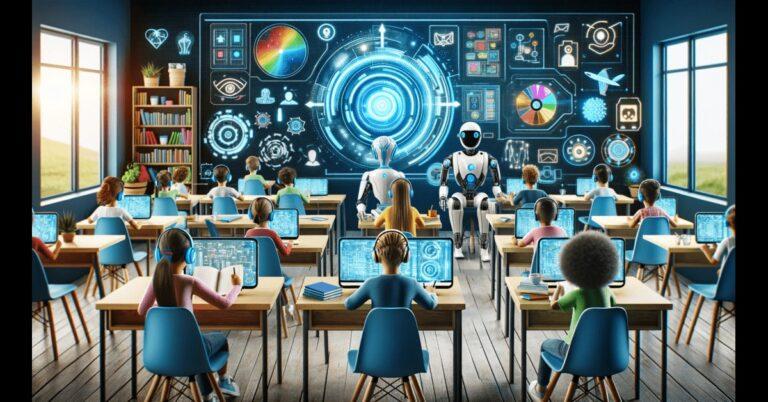
AI and the Future of Educational research: Revolutionizing Learning Insights and Innovation
Artificial Intelligence (AI) is not just a buzzword—its a transformative force redefining the future of educational research. As classrooms become smarter and learning environments more dynamic, AI-powered tools are providing researchers, educators, and policymakers with unprecedented insights, driving innovation in the way we understand, deliver, and enhance education. In this extensive article, we explore how AI is revolutionizing educational research, uncovering powerful benefits, practical applications, real-world examples, and expert tips to harness AI for enhanced learning outcomes.
Why AI Matters for the Future of Educational Research
The swift integration of AI in educational research is opening up exciting frontiers. Traditional research methods—while valuable—frequently enough struggle with the sheer volume, complexity, and variety of educational data.AI’s ability to analyze massive datasets, detect patterns, and deliver data-driven recommendations is allowing researchers to ask deeper questions and find more accurate answers. This paradigm shift is leading to smarter, more equitable, and personalized learning solutions.
- Automated Data Analysis: AI systems process large-scale data at speeds unimaginable for humans.
- Predictive analytics: Identify at-risk students and anticipate educational trends for more effective interventions.
- Personalized Learning: AI helps customize educational content tailored to individual learning needs and styles.
- Evidence-Based Decision-Making: Improve curriculum design and teaching strategies by leveraging real-time insights.
The Key Benefits of AI in Educational research
AI’s integration into educational research brings forth a wealth of advantages that are transforming the field. Here are some standout benefits:
1. Enhanced Data Processing Capabilities
AI-powered algorithms can sift through terabytes of structured and unstructured educational data—such as test scores, student interactions, and engagement metrics.This enables researchers to uncover hidden trends and correlations, resulting in more accurate and actionable findings.
2. Deeper Learning Insights
AI tools use techniques like machine learning and natural language processing to analyze qualitative data, such as open-ended survey responses or classroom discussions. This yields deeper insights into student behavior, motivation, and learning preferences, which where previously arduous to quantify.
3. Accelerated Research Timelines
By automating repetitive and time-consuming tasks—from data cleaning to statistical analysis—AI allows educational researchers to complete projects faster and dedicate more time to complex problem-solving and innovation.
4. Promoting Educational Equity
With advanced analytics, AI can identify gaps in learning outcomes among different demographic groups, helping institutions create more equitable policies and support programs. This leads to fairer education systems responsive to diverse learner needs.
5. Facilitating Innovation and Experimentation
AI-powered simulations and virtual environments enable researchers to test new teaching strategies, interventions, and curriculum designs before real-world implementation, ensuring that only the most effective innovations reach students.
How AI is Reshaping Educational Research: Real-World Applications
The practical impact of artificial intelligence in education is evident in a growing number of research-driven projects and technologies. here are some compelling case studies and examples:
Learning Analytics and adaptive Learning Platforms
Modern learning management systems (LMS) like Canvas and Moodle increasingly use AI-powered learning analytics to monitor student progress, highlight struggling learners, and suggest tailored resources. Adaptive learning platforms—such as DreamBox and Smart Sparrow—continuously adjust lesson difficulty and pace based on real-time student performance, maximizing learning outcomes.
AI-Powered Assessment tools
Automated grading platforms like Gradescope utilize AI to evaluate open-ended responses, essays, and even math problems, reducing grading bias and freeing up educators’ time for in-depth feedback and mentoring.
Predictive Models for Student Success
Universities around the globe now employ AI algorithms to predict student retention and graduation rates, allowing early interventions for at-risk students. Georgia State University, for example, implemented predictive analytics that resulted in meaningful increases in graduation rates and ample reductions in enrollment gaps.
Natural Language Processing for Educational Content Analysis
AI is used to scan textbooks, coursework, and discussion forums, providing researchers with insights into how specific terms, concepts, or teaching methods impact learning and engagement.
Practical Tips for Implementing AI in Educational Research
Integrating AI into educational research can seem daunting, but following these practical tips can streamline adoption and ensure optimal results:
- Start Small: Pilot AI tools on a limited scale to validate their effectiveness before campus-wide adoption.
- Invest in Training: Equip research teams with foundational knowledge in AI, machine learning, and data ethics.
- Prioritize Data Privacy: Use anonymized and secure data handling practices in compliance with regulatory requirements (e.g., FERPA, GDPR).
- Collaborate Across Disciplines: Partner with computer scientists, educators, and data analysts to blend expertise.
- Evaluate and Iterate: Continuously assess AI tool performance and refine methodologies based on feedback and outcomes.
Challenges to Consider When Adopting AI in Educational Research
While the promise of AI in education is vast, it’s crucial to approach its adoption thoughtfully. Here are some challenges to watch for:
- Data Quality and Bias: Poor data quality or biased algorithms can lead to misleading findings that impact educational equity.
- Ethical Considerations: Transparent algorithms, explainable AI, and fair decision-making are essential to maintain trust.
- Technical Complexity: Implementing and maintaining AI solutions may require specialized technical skills and ongoing support.
- Cost: Integrating complex AI systems may involve significant initial investment in infrastructure, training, and resources.
Expert outlook: Firsthand Experiences with AI in Education
dr. Emily Watson, an educational researcher at a leading university, shares her experience:
“AI has transformed the way we approach student engagement analysis. Previously, we spent months poring over transcripts and survey results.Now, with AI-driven data mining and predictive analytics, we capture rich insights in days—enabling us to design more impactful interventions and measure their real-time effectiveness. Though,we’re cautious about algorithmic transparency and actively engage students and parents in conversations around data privacy and usage.”
AI and Educational Innovation: looking Ahead
The future of educational research lies at the intersection of artificial intelligence, personalized learning, and evidence-based practice.As AI continues to evolve, expect the following innovations:
- Bright Tutoring Systems: Providing real-time, adaptive feedback personalized to each learner’s unique pace and interests.
- Emotion Recognition: Analyzing student’s facial expressions and voice to assess engagement and emotional well-being during lessons.
- Automated Literature reviews: Leveraging AI to scan and synthesize vast bodies of educational research, streamlining the research cycle.
- Cross-Language Learning Insights: Using NLP to break language barriers and compare educational trends globally.
Conclusion: Empowering Educational Conversion
AI’s influence on educational research is both profound and promising. By automating routine tasks, uncovering deeper learning insights, and fostering innovation, AI empowers educators, researchers, and policymakers to create more effective, inclusive, and forward-thinking education systems. Embracing AI-driven educational research will not only enhance student outcomes but also unlock new opportunities for lifelong learning, revelation, and progress. As we journey into the future, the partnership between artificial intelligence and education promises to revolutionize the way we understand and shape learning—one insight at a time.