
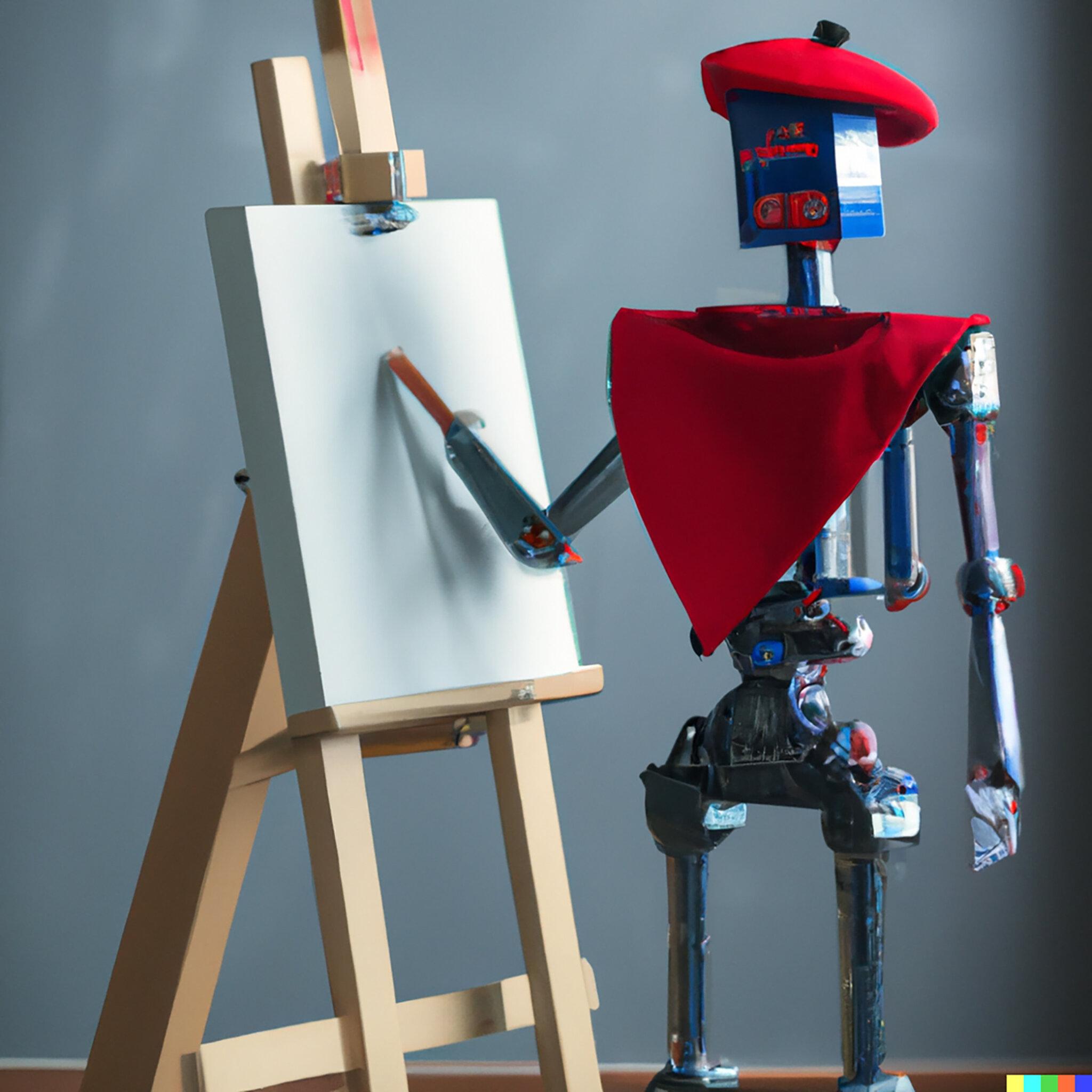
AI Engineer Careers: Transforming Educational Applications with Artificial intelligence
as education undergoes a digital revolution, AI Engineer careers in education technology are rapidly emerging as some of the moast sought-after positions in universities, colleges, and schools. If you’re passionate about technology and want to make a meaningful impact in academic environments, pursuing a role as an AI Engineer in edtech could be your ideal career path. This comprehensive guide explores what it means to be an AI Engineer in education,the skills needed,job outlook,and practical tips to help job seekers break into this exciting field.
What Dose an AI Engineer in Education Technology Do?
An AI Engineer in education technology is responsible for designing, developing, and implementing artificial intelligence solutions that enhance learning experiences, streamline administrative processes, and support personalized education. From virtual tutors and adaptive learning platforms to AI-driven grading systems, AI Engineers play a pivotal role in the modernization of academic institutions.
- Developing clever educational applications such as chatbots, virtual tutors, and personalized learning platforms.
- Integrating machine learning algorithms for student assessment, predictive analytics, and advice systems.
- Analyzing educational data to improve retention, engagement, and academic performance.
- Collaborating with faculty and IT teams to align AI solutions with curricular goals.
- Upholding ethical AI practices in the collection, management, and deployment of student data.
Top reasons to Choose an AI Engineer Career in Education
Pursuing an AI Engineer job in education offers a unique blend of innovation, purpose, and professional growth. Here are some compelling benefits:
- Influence Education Outcomes: Help create more equitable, personalized, and effective learning experiences using AI-powered solutions.
- Drive Digital Transformation: Be at the forefront of reshaping how universities,colleges,and schools operate,leveraging the latest in AI research.
- Strong Job demand: As academic institutions prioritize digital transformation, the demand for skilled AI Engineers is rapidly increasing.
- Continuous Learning: Stay ahead with exposure to the latest in artificial intelligence, machine learning, data science, and educational psychology.
- Meaningful Impact: Contribute to advancing teaching methods, inclusion, and lifelong learning for diverse populations.
Essential Skills and Qualifications for AI Engineer Roles in EdTech
if you’re looking to land an AI Engineer position at a university, college, or school, the following skills and qualifications are highly valued:
Technical Skills
- Programming Languages: Proficiency in Python, Java, C++, or R for developing AI models and systems.
- Machine Learning & Deep Learning: Experience with frameworks like TensorFlow, PyTorch, and Keras.
- Data Analysis: Strong foundation in data mining,preprocessing,and visualization using tools such as Pandas,NumPy,and Matplotlib.
- Natural Language Processing (NLP): Building AI models that understand and process human language for chatbots, sentiment analysis, and automated grading.
- Robust Software Engineering Skills: Understanding of software architecture, version control (e.g., Git), and agile advancement methodologies.
Educational Background
- Bachelor’s or Master’s degree in Computer Science, AI, Data Science, Electrical Engineering, or a related field.
- Certifications in Artificial Intelligence, Machine Learning, or Data Analysis are advantageous.
Soft Skills
- Communication: ability to explain technical concepts to educators and non-technical stakeholders.
- Problem-solving: Creative thinking to address unique educational challenges using AI.
- collaboration: Working with interdisciplinary teams including faculty, educational technologists, and administrators.
- Ethical Mindset: Awareness of privacy, bias, and transparency issues in educational AI systems.
AI Engineer Job Responsibilities in Academic Institutions
The responsibilities of an AI Engineer in a higher education or school setting often include:
- Researching and staying updated with emerging AI technologies in education.
- Designing AI-powered tools to automate grading, create adaptive assessments, or facilitate personalized feedback.
- Building and managing scalable AI infrastructure for student data analysis, course recommendations, and performance predictions.
- Ensuring the ethical and secure handling of sensitive academic data in compliance with privacy regulations.
- Collaborating with educators to integrate AI solutions into curricula and digital learning platforms.
These responsibilities can vary depending on the size of the institution and the scope of its digital initiatives.
Job Outlook for AI Engineers in Education Technology
The job outlook for AI Engineers in the education sector is exceptionally radiant.Universities, colleges, and K-12 schools are investing heavily in AI-driven innovations to remain competitive, comply with accessibility standards, and improve learning outcomes. As a result:
- EdTech AI Engineer job openings are expected to grow steadily over the next decade.
- The rise of online, blended, and hybrid learning models is fueling demand for intelligent automation in assessment and personalized instruction.
- AI-driven data analytics are becoming essential in student retention, engagement, and institutional strategy.
With AI adoption accelerating, skilled professionals in this domain are poised for robust career progression and job security.
How to Stand Out: practical Tips for Aspiring AI Engineers
If you’re serious about landing an AI Engineer job in education technology, consider these practical steps:
- Build a Strong Portfolio: Showcase projects such as AI-powered education apps, smart grading tools, or machine learning models relevant to academic problems.
- Contribute to Open Source: Participating in open source edtech or AI projects demonstrates both your skills and your commitment to collaborative development.
- Stay Current with AI Trends: Regularly read research papers, attend webinars, and follow the latest news on AI in education.
- Network with Educators and EdTech Professionals: join online communities, LinkedIn groups, and edtech conferences to discover job opportunities and build valuable connections.
- Pursue Specialized Training: Enroll in AI or data science courses with a focus on educational applications, and seek certifications in relevant areas.
- Tailor Your Resume: Highlight both your technical expertise and your passion for advancing education through AI-driven solutions.
- Prepare for Interviews: Be ready to discuss specific AI models you’ve developed and how they can be applied to real-world educational challenges.
Day-to-Day Life of an AI Engineer in higher Education and Schools
Working as an AI Engineer in a university, college, or school means tackling diverse projects and collaborating with professionals from different backgrounds. Here are some typical tasks and collaborative activities:
- Holding meetings with faculty to understand learning challenges and identify opportunities for AI intervention.
- designing and testing prototypes of intelligent tutoring or adaptive assessment systems.
- Analyzing student data streams to derive actionable insights into engagement and performance trends.
- Integrating AI modules into learning management systems or student information systems.
- Providing workshops or training for educators to maximize the value of new AI-powered tools.
- Continuous monitoring and refining of deployed AI algorithms to enhance accuracy and fairness.
This dynamic work environment ensures each day brings new challenges, learning opportunities, and the chance to make a direct impact on education.
Future trends: Where is AI in Education Heading?
the future of AI Engineer careers in education looks increasingly promising, with several trends shaping the landscape:
- AI-Powered Personal Tutors: Next-generation virtual tutors will offer real-time feedback and adapt content to individual student needs.
- Predictive Analytics: AI will help identify students at risk of falling behind, enabling early interventions and tailored support.
- Automated grading & Assessment: More sophisticated AI systems will grade essays, assignments, and projects with increased accuracy and speed.
- Natural Language Understanding: Enhanced NLP capabilities will allow for conversational AI, language learning, and real-time translation in the classroom.
- Ethical AI in Education: Expect a growing emphasis on fairness,transparency,and privacy in the development and deployment of AI solutions.
Conclusion: Start your Journey as an AI Engineer in Education Technology
The transformation of educational applications through artificial intelligence is underway, and AI Engineers are leading the charge toward more innovative, accessible, and effective learning environments. By combining technical expertise with a passion for education, AI Engineers are uniquely positioned to shape the future of teaching and learning at universities, colleges, and schools.
If you’re ready to embark on a fulfilling career in education technology, now is the perfect time to acquire the necessary skills, connect with the academic community, and contribute your talents to the ongoing digital revolution in education.As an AI Engineer, your work will have a tangible, lasting impact on millions of learners and educators worldwide—making every project not just a job, but a meaningful mission.