
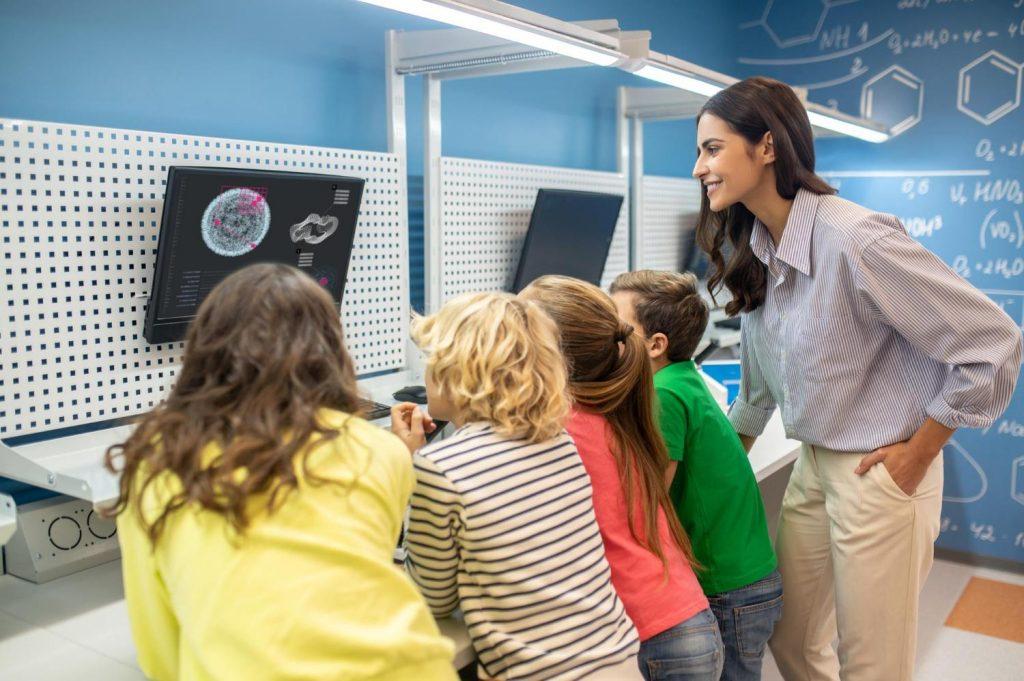
AI Engineer in Education: Transforming Learning with Artificial Intelligence
Introduction
The intersection of artificial intelligence (AI) and education is revolutionizing learning environments at universities, colleges, and schools worldwide. As technology evolves, so does the need for skilled professionals who can bridge the gap between advanced AI solutions and educational needs.If you’re interested in pursuing a rewarding career as an AI Engineer in Education, this extensive guide will equip you with essential facts about roles, responsibilities, necessary skills, and practical tips to secure your next job in EdTech.
What is an AI Engineer in Education?
An AI Engineer in Education is a technology specialist who designs, develops, and implements AI-driven solutions tailored for learning environments. Thes professionals work within universities, colleges, and K-12 schools to create clever systems that enhance teaching and learning processes. Whether it’s building adaptive learning platforms, developing intelligent tutoring systems, or optimizing administrative tasks, AI engineers play a vital role in modernizing educational institutions.
Key Responsibilities of an AI Engineer in Education
The daily tasks of an AI Engineer in Education vary depending on the institution and project, but generally include:
- Designing and developing machine learning models for educational applications.
- Collaborating with educators and administrators to identify learning challenges and propose AI-based solutions.
- Integrating AI algorithms into existing educational platforms.
- Ensuring data privacy and ethical AI usage in education.
- Conducting data analysis to inform educational decision-making.
- Testing, iterating, and maintaining AI-powered tools for students and staff.
- Staying up-to-date with the latest AI research and educational trends.
Essential Skills for Aspiring AI Engineers in Education
To thrive as an AI Engineer in Education, you’ll need a blend of technical expertise, educational insight, and soft skills. The following are crucial for success:
- Programming: Proficiency in Python, R, Java, or similar programming languages.
- Machine Learning: Deep understanding of ML algorithms, deep learning, and data science.
- Data Handling: Experience with data collection, cleaning, processing, and visualization.
- Natural Language processing (NLP): Familiarity with NLP models for enhancing educational content and assessment tools.
- AI Ethics: Awareness of ethical considerations—bias, fairness, and student data privacy.
- Interaction: Ability to explain complex AI concepts to non-technical audiences, such as teachers and administrators.
- Problem-Solving: Keen analytical skills to tackle educational challenges through innovative AI mechanisms.
- Team Collaboration: Agreeable working on cross-functional teams with educators,IT staff,and curriculum designers.
Educational Requirements and Professional Background
Universities, colleges, and schools frequently enough require AI Engineers in Education to have a strong academic background in computer science, engineering, mathematics, or related fields.typical requirements include:
- Bachelor’s or master’s degree in Computer Science, artificial Intelligence, Data Science, or Education Technology.
- Previous experience with AI/ML frameworks such as TensorFlow, PyTorch, or Keras.
- Portfolio of relevant projects in educational technology or AI-driven solutions.
- Certifications in machine learning, deep learning, or educational technology are favorable.
- Knowledge of the education sector, learning management systems, or pedagogical challenges is a plus.
Benefits of Working as an AI Engineer in Education
A career as an AI Engineer in Education offers both personal fulfillment and professional growth. Here are some key advantages:
- Impactful Work: Directly influence teaching and learning outcomes, shaping the future of education.
- Career Advancement: High demand for EdTech professionals ensures ample growth opportunities and job stability.
- Innovation: Be at the forefront of developing and deploying game-changing technologies across campuses and classrooms.
- Collaborative Environment: Work with passionate educators, researchers, and technologists dedicated to student success.
- Continuous Learning: Exposure to novel AI concepts, pedagogical theories, and emerging digital tools.
- Flexible Work Models: Opportunities for remote work,contract positions,or research-focused roles in higher education.
Job Outlook and Career Opportunities in EdTech
With digital transformation becoming a priority for educational institutions, the demand for AI Engineers in Education continues to surge. Major trends shaping the job landscape include:
- Widespread adoption of AI-powered personalized learning platforms.
- Growing interest in intelligent tutoring systems and automated grading solutions.
- Expansion of data-informed decision-making and predictive analytics for student outcomes.
- Increased emphasis on accessibility, inclusion, and edtech-driven intervention strategies.
- notable investments in research and development within universities and educational technology companies.
Sectors hiring AI Engineers in education include:
- Universities and colleges (research labs, IT departments, teaching innovation centers).
- K-12 schools and district technology teams.
- Educational technology startups and software vendors.
- Online learning platforms and MOOC providers.
- Nonprofit organizations focused on digital education transformation.
Practical Tips for Getting a Job as an AI Engineer in Education
Securing a position as an AI Engineer in Education requires thoughtful readiness. Here are practical steps to strengthen your candidacy:
- Build a Strong Portfolio: Develop AI projects related to education, such as adaptive learning tools, grading bots, or student analytics dashboards. Showcase these in a professional portfolio or GitHub.
- Gain Experience with Educational Technology: Intern or volunteer in educational institutions or with EdTech startups to understand real classroom challenges and needs.
- Network with EdTech Professionals: Attend conferences, seminars, or online webinars focused on AI in education. Join relevant associations and online communities to stay updated.
- Customize Your Submission: Highlight your AI skills and understanding of education technology in your resume and cover letter. Tailor your application to the specific institution or role.
- Stay Current: Follow the latest research on AI applications in education, such as explainable AI, ethical AI, and learning analytics.
- Prepare for Interviews: Practice explaining AI concepts to non-technical interviewers and prepare educational use cases to discuss.
- Pursue Advanced Education: If possible, enroll in graduate programs or online certifications focused on educational technology and AI.
Challenges and Considerations in EdTech AI Engineering
While working as an AI Engineer in Education is rewarding, there are unique challenges to prepare for:
- Data Privacy: Educational data is highly sensitive; abiding by strict privacy standards and regulations is essential.
- Change Management: Teachers and administrators might potentially be resistant to adopting new technologies; effective communication and training are key.
- Ethical AI: Ensuring fairness, avoiding bias in algorithms, and supporting inclusivity require ongoing vigilance.
- Resource Constraints: Some educational environments operate with limited budgets,requiring creative and scalable solutions.
Conclusion
The role of AI Engineer in education sits at the exciting frontier where advanced artificial intelligence meets the foundational mission of learning and teaching. By leveraging their technical expertise and understanding of educational practices, AI engineers are driving innovation across universities, colleges, and schools. As demand for these roles grows, now is an ideal time to embark on this impactful career path. Whether you’re a seasoned engineer or just starting out, the opportunities in educational technology are both abundant and deeply meaningful—empowering you to transform learning experiences for generations to come.