
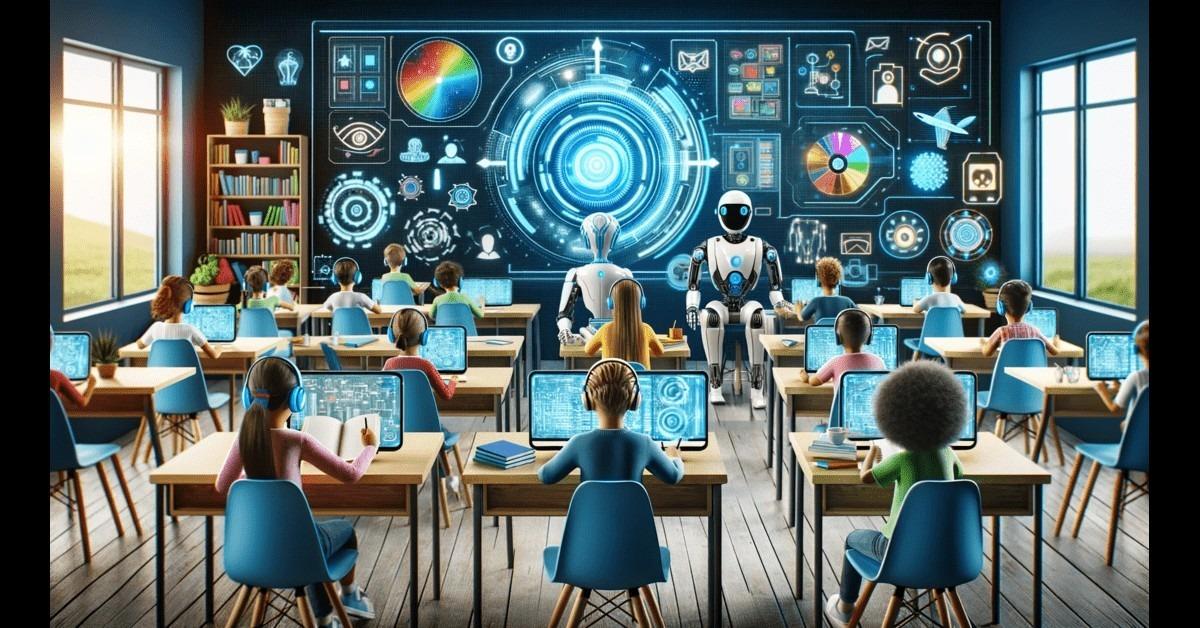
AI Engineer in Educational Applications: Revolutionizing Learning Through Artificial Intelligence
Are you passionate about transforming education with cutting-edge technology? The role of an AI engineer in educational applications offers a unique prospect to modernize learning experiences across universities, colleges, and schools.With artificial intelligence reshaping everything from personalized learning paths to automated grading, skilled professionals are in high demand to bridge the gap between technology and education. in this thorough guide, we’ll explore what it takes to become an AI engineer in the education sector, the benefits of this role, essential skills, and practical tips to kickstart your career.
Understanding the Role: AI Engineer in Educational Applications
An AI engineer working in educational settings develops clever systems and processes tailored to enhance student learning, streamline governance, and empower teachers. These innovative specialists leverage AI to tackle real-world challenges faced by educators and students alike.
Key Responsibilities
- Designing and implementing machine learning algorithms for adaptive learning platforms.
- Developing natural language processing (NLP) tools for digital tutors, chatbots, and educational assistants.
- Analyzing educational data to uncover patterns that inform curriculum improvements and student interventions.
- Automating administrative tasks such as grading, attendance, or feedback generation.
- Collaborating with instructional designers, teachers, and IT support staff to integrate AI applications into classrooms and virtual environments.
- Ensuring privacy, security, and ethical standards in student data handling.
Typical Work Environments
- Universities and colleges developing advanced research and customized learning solutions.
- K-12 schools implementing interactive learning platforms and intelligent tutoring systems.
- EdTech startups partnering with educational institutions to pilot innovative AI tools.
Benefits of Becoming an AI Engineer in educational Applications
Stepping into the role of an AI engineer at a university, college, or school carries notable professional and personal rewards. Here are some compelling benefits:
- High Demand: The need for AI expertise in education is rapidly increasing,creating abundant job opportunities and career advancement.
- Impactful Work: Improving learning outcomes and accessibility for thousands of students while shaping the future of education.
- Collaboration: Work alongside educators, researchers, and technology specialists in multidisciplinary teams.
- Continuous learning: Exposure to advanced AI technologies and educational theories keeps your skills current and marketable.
- Competitive Salaries: AI-related positions, especially in higher education and EdTech, offer lucrative pay and comprehensive benefits.
- Adaptability: Opportunities to work on-campus, remotely, or in hybrid arrangements.
Required Skills and Qualifications for AI Engineers in Education
To stand out as a candidate for AI engineer positions in educational applications, you’ll need a blend of technical expertise and a deep understanding of pedagogy.Let’s break down the essential skills and qualifications.
Technical Skills
- Programming Languages: Proficiency in Python, R, Java, or similar languages suited for machine learning.
- Machine Learning: Experience designing, deploying, and tuning models for tasks like classification, prediction, and clustering.
- NLP & Computer Vision: Building and improving tools for text analysis, speech recognition, or image processing in educational contexts.
- Data Analytics: Using data mining and visualization tools to analyze educational performance and engagement.
- Cloud Platforms: Familiarity with AWS, Azure, or Google Cloud for scalable deployment of AI models.
- API Advancement: Creating custom interfaces for integrating AI solutions with educational systems like Learning Management Systems (LMS).
Educational Background
- Bachelor’s or Master’s degree in Computer Science,Data science,Artificial Intelligence,Educational Technology,or related fields.
- Additional certifications or coursework in machine learning, AI ethics, or educational technology are beneficial.
Soft Skills
- Dialog: Explaining technical concepts to non-technical stakeholders.
- Collaboration: Working effectively with cross-functional teams, including educators and administrators.
- Problem-Solving: Identifying and resolving practical challenges in deploying AI within academic environments.
- Adaptability: Keeping pace with evolving technologies and educational policies.
How AI Engineering is Revolutionizing Learning
the application of artificial intelligence in education is not just about automating routine tasks; it’s fundamentally changing how teachers teach and students learn. Here’s how AI engineering is making a difference:
Personalized Learning Experiences
- Adaptive learning platforms that customize content and pacing to suit individual student needs.
- AI-driven recommendations for study materials and resources based on past performance and interests.
Intelligent Mentoring and Tutoring
- Virtual assistants and chatbots offering instant academic support and feedback.
- NLP-powered writing and reading tools to aid language learning and comprehension.
Inclusivity and Accessibility
- Automated translation,speech recognition,and text-to-speech functionalities for diverse learners.
- Customizable interfaces to support students with special needs.
Efficient Administration
- Automated grading systems and performance tracking to save educators time.
- predictive analytics for early intervention, identifying students at risk of failing or dropping out.
practical Tips to Secure an AI Engineer Job in Educational Applications
Landing a coveted position as an AI engineer in education technology requires a mix of preparation, networking, and showcasing your value. Here are actionable strategies to help you stand out:
- Build a Strong Portfolio: Showcase successful projects related to education, such as custom machine learning models, interactive educational tools, or published research.
- gain Relevant experience: Seek internships or volunteer roles in EdTech startups, university IT departments, or school technology labs.
- Stay Informed: Subscribe to academic journals and online communities focused on AI in education to keep up with trends and breakthroughs.
- Network: Attend industry conferences and workshops where you can connect with educators, technologists, and recruiters.
- Develop Educational Understanding: Take pedagogical courses or learn about digital teaching methodologies to understand the unique needs of educators and students.
- Keep Your Resume and LinkedIn Updated: Highlight your AI expertise, collaborative projects, and results achieved in educational settings.
- Prepare for Interviews: Practice articulating how your AI skills address real-world educational challenges.Demonstrate your ability to communicate technical information to non-expert audiences.
Career Growth and Future Prospects
The trajectory of AI engineering in education signals exciting times ahead. As universities, colleges, and schools continue to invest in smart technologies, the appetite for AI talent grows. Career paths may lead to:
- Lead AI Engineer: Managing larger development teams or strategic EdTech projects.
- AI Researcher: Pushing the boundaries of educational AI through academic or industrial research.
- EdTech Product Manager: Bridging engineering and market needs to deliver impactful educational solutions.
- AI Consultant: Advising institutions on AI integration and scaling successful implementations.
Continued learning,advanced certifications,and hands-on experience will further enhance your prospects in this thriving sector.
Conclusion: Pioneering the Future of Learning as an AI Engineer
Becoming an AI engineer in educational applications positions you at the forefront of transformative change in universities, colleges, and schools. By combining advanced technical skills with a passion for education, you can help redefine how knowledge is delivered and accessed. from personalized learning and intelligent tutoring to making classrooms inclusive and efficient, your expertise has the power to unlock new possibilities for students and educators alike. Now is the perfect time to embrace this rewarding career path,enrich your skillset,and contribute to the next generation of teaching and learning. Start your journey today and be a catalyst for educational innovation!