
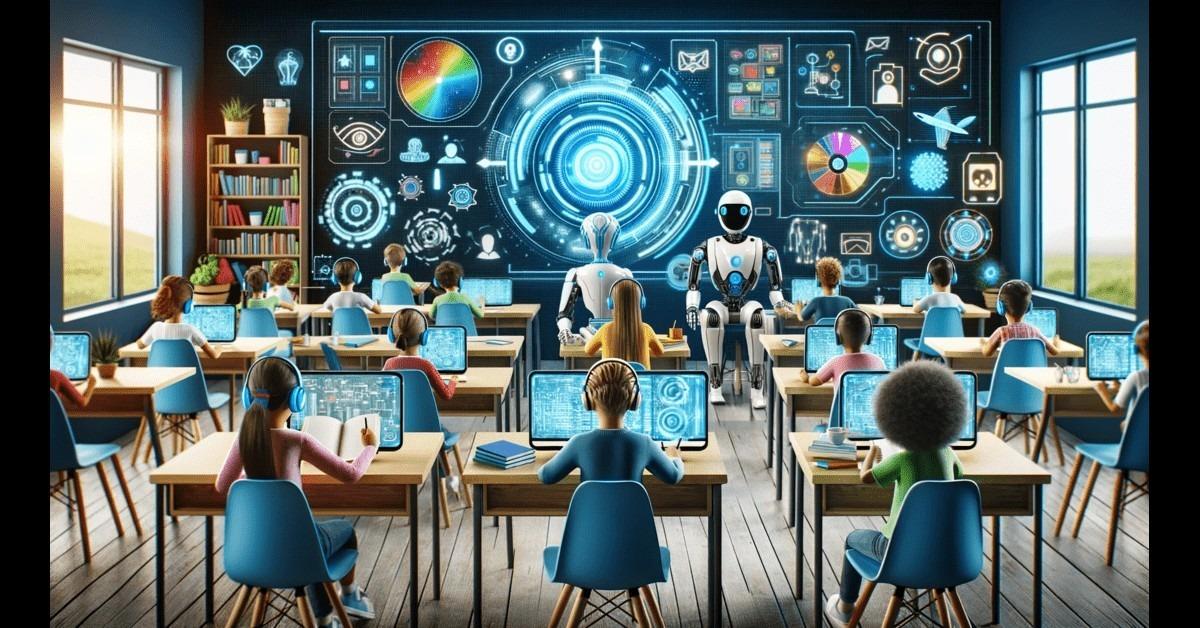
AI Engineer in Educational Applications: Revolutionizing Learning with Intelligent Technologies
Are you passionate about technology and education? Do you want to play a key role in shaping the future of learning? Becoming an AI Engineer in educational applications at universities, colleges, or schools might be the perfect career path for you! In this extensive guide, we’ll explore how artificial intelligence (AI) is transforming educational environments, the responsibilities of AI engineers, required skills, benefits, and practical tips on landing your dream job in education technology.
Understanding the Role: AI Engineer in Educational Applications
An AI Engineer in educational settings is at the forefront of blending advanced machine learning techniques with pedagogical practices. These professionals innovate and develop intelligent technologies that personalize learning, automate administrative tasks, enhance assessment accuracy, and deliver adaptive experiences for students and educators alike.
- Universities often invest in AI-driven research, student support chatbots, and intelligent course proposal systems.
- Colleges deploy AI to improve student retention, conduct predictive analytics, and support personalized tutoring.
- Schools utilize AI for formative assessments, real-time feedback, and automating grading processes.
Key Responsibilities of an AI Engineer in Educational Technology
AI engineers in education technology unlock new potential for digital learning platforms and on-campus systems. Here’s what you might be working on:
- Developing Intelligent Learning Systems: Designing adaptive learning environments that respond to individual student needs.
- Implementing Educational chatbots: Building virtual assistants to answer student queries and support educators.
- Automating Administrative Processes: Creating AI solutions for enrollment, grading, or resource management.
- Analyzing Student Data: Utilizing machine learning models to identify learning patterns and predict outcomes.
- Ensuring Data Privacy and Ethics: Maintaining responsible AI practices in compliance with educational standards and privacy regulations.
- Collaborating with Stakeholders: working alongside teachers,IT teams,and academic leadership to tailor technology to classroom needs.
Essential Skills and Qualifications for AI Engineers in Education
If you’re aiming for an AI Engineer role in educational applications,institutions typically look for a blend of technical expertise and educational acumen. Here are the top requirements:
- Technical Skills:
- Proficiency in programming languages such as Python, Java, or R
- Experience with machine learning frameworks (TensorFlow, PyTorch, scikit-learn)
- Knowledge of deep learning, natural language processing (NLP), and computer vision
- Database management and data analytics capabilities
- Educational Background: A degree in Computer Science, Data Science, or related fields. Advanced degrees or certifications in AI or educational technology can be a plus.
- Soft Skills:
- Communication and presentation abilities
- problem-solving aptitude
- Project management experience
- Ethical awareness, especially regarding student data
Additional Desirable Qualities
- Understanding of instructional design and educational psychology
- Experience with cloud technologies and API integration
- Ability to foster cross-departmental collaboration within academic institutions
Benefits of Working as an AI Engineer in Education Technology
A career in AI engineering applied to educational contexts is not just personally and professionally rewarding—it’s a chance to be an agent of change. Here are some compelling benefits:
- Making a Positive Impact: Directly enhance student learning outcomes and make education more accessible.
- Continuous Learning: Work in a rapidly evolving field and stay ahead with emerging technologies.
- Career Growth: High demand for AI professionals in education means ample opportunities for advancement.
- Job Stability: Schools, colleges, and universities are investing in educational technology, offering better job security.
- Collaboration and Innovation: Collaborate with educators, researchers, and technologists to create transformative products.
Practical Tips for Landing an AI Engineer job in Educational Applications
Breaking into AI engineering in education requires strategic planning, networking, and skill-building. Here are actionable tips for aspiring candidates:
1. Strengthen Your AI and Programming Foundations
- Master essential programming languages and frameworks for machine learning and data analysis.
- Gain hands-on experience through internships, university labs, or personal projects focused on educational technology.
2. Build a Portfolio of Educational AI Projects
- Develop demo apps, chatbots, or data visualization dashboards that address real educational challenges.
- Share code samples, technical blog posts, or GitHub repositories to showcase your expertise.
3. Understand Pedagogical Challenges
- Research common issues in educational institutions, such as achieving student engagement or automating assessments.
- Design solutions that align with current teaching and learning practices.
4. Network within the EdTech Community
- Attend conferences, webinars, and workshops focused on educational technology and AI.
- Connect with educators, academic technologists, and EdTech startups to stay informed about new trends.
5. Tailor Your resume and LinkedIn Profile
- Highlight relevant AI, machine learning, and EdTech projects on your CV.
- Emphasize collaborative skills, problem-solving achievements, and technical certifications.
6.Prepare for Interviews Effectively
- Demonstrate knowledge of both AI technology and its implications for education.
- Showcase clear examples of your contributions to educational projects and solutions.
Future trends: AI in Educational Applications
The demand for AI Engineers in educational applications is rising as institutions recognize the transformative impact of intelligent technologies on teaching and learning. Key future trends include:
- AI-powered Adaptive Learning: Systems that adjust content and pacing to suit individual student progress.
- Intelligent Assessment Tools: Auto-grading platforms that offer instant feedback and reduce faculty workload.
- Real-Time Analytics: dashboards providing actionable insights for teachers and administrators.
- Enhanced Accessibility: AI-driven solutions for inclusive education, such as automatic transcription or translation.
- Advanced Student Support Systems: Virtual tutors and personalized assistance bots.
Conclusion: Embrace the Revolution in Educational Technology
As an AI Engineer in educational applications, you’ll be transforming how knowledge is delivered, accessed, and measured in modern learning environments. Universities, colleges, and schools are actively seeking skilled professionals who can develop intelligent solutions and drive innovation.By combining technical expertise with a passion for education, you’ll help define new standards in personalized learning, educational equity, and digital transformation.
If you’re ready to make a meaningful impact and launch a rewarding career in education technology, start building your skills and portfolio today. The future of learning is intelligent—and you could be one of the visionaries leading the way!