
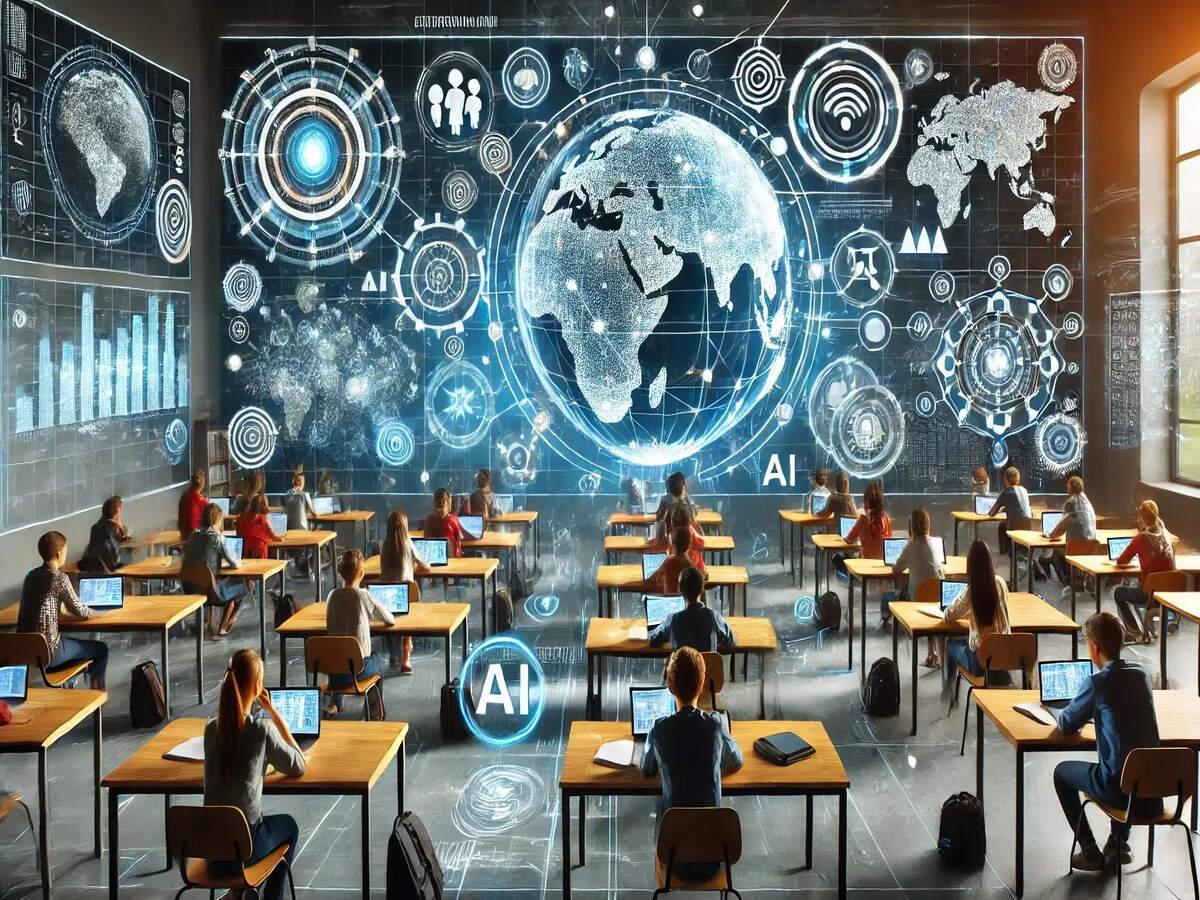
AI in Classrooms: Revolutionizing Teaching and Learning for 2025
As we enter 2025,artificial intelligence (AI) is no longer a futuristic dream—it’s a transformative reality in classrooms across the globe. From personalized learning platforms to AI-powered assessment tools, the educational landscape is evolving faster than ever, offering students and teachers unprecedented opportunities. This comprehensive guide explores how AI in classrooms is revolutionizing teaching and learning in 2025, showcasing real-world examples, practical tips, and the significant benefits of embracing this innovative technology.
Table of Contents
- What is AI in Education?
- Benefits of AI in Classrooms
- How AI is Used in Modern Classrooms
- Real-World Case Studies in AI education
- Practical Tips for Implementing AI in Classrooms
- Challenges and Ethical Considerations
- the future of AI in Education
- Conclusion
What is AI in Education?
Artificial intelligence in education refers to the application of machine learning, natural language processing, and intelligent automation to optimize teaching, personalize student experiences, and enhance classroom management. AI in classrooms leverages smart algorithms to analyze data, adapt content, and assist teachers in delivering more effective instruction.
Key features of AI in education include:
- Personalized learning pathways for students
- Automated grading and assessment tools
- AI-driven tutoring and feedback systems
- smart classroom management solutions
- Data-driven insights for educators and administrators
Benefits of AI in Classrooms
Integrating AI into classrooms in 2025 offers a wealth of advantages for both students and educators. Here are some of the most significant benefits:
1. Personalized Learning Experiences
- Adaptive Learning: AI systems analyze each student’s strengths and weaknesses, delivering tailored content and exercises for optimal progress.
- Custom Pacing: Students can learn at their own speed, reducing stress and improving retention rates.
2. Efficient Assessment and Feedback
- Automated grading: AI-powered assessments provide instant,objective feedback on assignments and tests,saving teachers’ valuable time.
- Data-Driven Insights: Teachers receive analytical reports, identifying trends and areas where students may need additional support.
3. Empowering Inclusive Education
- Language Translation: AI tools can translate lessons in real time, breaking down language barriers for multilingual classrooms.
- Assistive Technologies: Students with disabilities gain access to AI-driven apps that convert speech to text, read aloud content, and customize interfaces to individual needs.
4. Enhanced teacher Support
- Automating Routine Tasks: From attendance tracking to grading, AI frees up time for teachers to focus on creative and high-value activities.
- Professional Development: AI platforms recommend resources and training,supporting continuous teacher growth.
How AI is Used in Modern Classrooms
AI in education is not a passing trend—it’s a collection of practical technologies reshaping how classrooms function. Below are some of the most impactful ways AI is transforming teaching and learning in 2025:
AI-Powered Tutoring Systems
Virtual tutors powered by AI in classrooms offer students 24/7 access to help with homework, test preparation, and concept clarification, adapting their approach based on each learner’s progress.
Smart Content Creation
Teachers use AI tools to generate quizzes, lesson plans, and interactive exercises customized to class performance data, increasing engagement and efficiency.
Automated Dialog
AI chatbots address routine student queries, send reminders, and provide feedback, helping school staff stay in touch with students and parents seamlessly.
Predictive Analytics for Early Intervention
Machine learning models identify students at risk of falling behind, enabling schools to provide targeted support and boost retention rates.
Immersive Learning with AI
Combining AI with augmented and virtual reality (AR/VR) creates highly engaging,simulated learning environments for subjects like science,history,and language arts.
Real-world Case Studies in AI Education
Case Study #1: AI-Personalized Learning at a Public School in Singapore
Singapore’s Ministry of Education introduced AI-powered learning platforms across several secondary schools in 2023. The system monitored student progress in mathematics and provided personalized lessons, quizzes, and instant feedback. Within two years, the number of students achieving mastery in critical skills increased by 21%, while teachers reported a 30% reduction in grading and administrative workload.
Case Study #2: Real-Time Language Translation in the united states
A diverse elementary school in California incorporated AI-driven language translation tools to assist its multilingual student body. Non-native English speakers received real-time translations during lessons and on assignments, leading to improved participation and performance. Teachers noted that parental engagement also rose thanks to translated updates and resources.
Case Study #3: AI for Early Intervention in Rural India
An educational NGO in India used AI-powered predictive analytics to identify students at risk of dropping out in rural communities. The platform analyzed attendance, performance, and behavioral data, enabling early interventions. The pilot programme saw dropout rates cut nearly in half within a year, while community trust in technology-based education increased.
Practical Tips for Implementing AI in Classrooms
- start Small: Introduce AI in one subject or use case (e.g., adaptive quizzes or AI-driven grading) to gain confidence and gauge impact.
- Invest in Training: Provide professional development for teachers to understand AI tools and how to integrate them into curricula.
- Prioritize Data Privacy: Ensure the responsible use of student data and comply with all relevant regulations and ethical standards.
- Involve All Stakeholders: Engage students,teachers,parents,and administrators in conversations about AI implementation to build trust and address concerns early on.
- Leverage Open Educational Resources: Utilize free or low-cost AI-powered tools and platforms to minimize costs and maximize accessibility.
Challenges and ethical Considerations
while AI in classrooms brings remarkable benefits,it also presents challenges that educators must address:
- Data Privacy: Protecting sensitive student facts is paramount. Always use secure platforms and obvious data policies.
- Algorithmic Bias: AI systems can unintentionally reinforce stereotypes or discriminate if not carefully designed and monitored.
- Equity and Access: Not all schools have equal access to advanced technology. Policymakers and schools must address digital divides.
- Teacher-Student Relationships: While AI enhances learning, it should complement—rather than replace—human connection and judgment.
Responsible implementation requires ongoing evaluation, transparency, and open dialogue among all educational stakeholders.
The Future of AI in Education
With rapid advancements expected for 2025 and beyond, AI in classrooms will continue to disrupt traditional educational models. Likely trends include:
- Deeper personalization: AI systems will offer increasingly customized pathways, supporting diverse learning styles and needs.
- Expanded Teacher Support: AI assistants will help with curriculum planning, resource curation, classroom management, and even professional growth.
- Greater Student Agency: Intelligent platforms will empower students to take more control of their learning journeys.
- Global Collaboration: AI tools will facilitate seamless collaboration between students and educators across borders, fostering cross-cultural understanding.
To fully realize the potential of AI in education, schools and policymakers must continue to invest in equitable access, teacher training, and robust ethical guidelines.
Conclusion
AI in classrooms is a game-changer for education in 2025. By personalizing learning, streamlining teaching, and breaking down barriers, artificial intelligence is helping students and teachers unlock new possibilities. While challenges remain, collaborative and thoughtful implementation of AI-powered teaching tools can lead to more inclusive, engaging, and effective classrooms worldwide. As we look to the future, embracing AI in education will be the key to preparing the next generation for a rapidly evolving, technology-driven world.
Are you ready to explore artificial intelligence in your classroom? With the right strategies, training, and support, teachers and students alike can thrive in this exciting new educational era.