
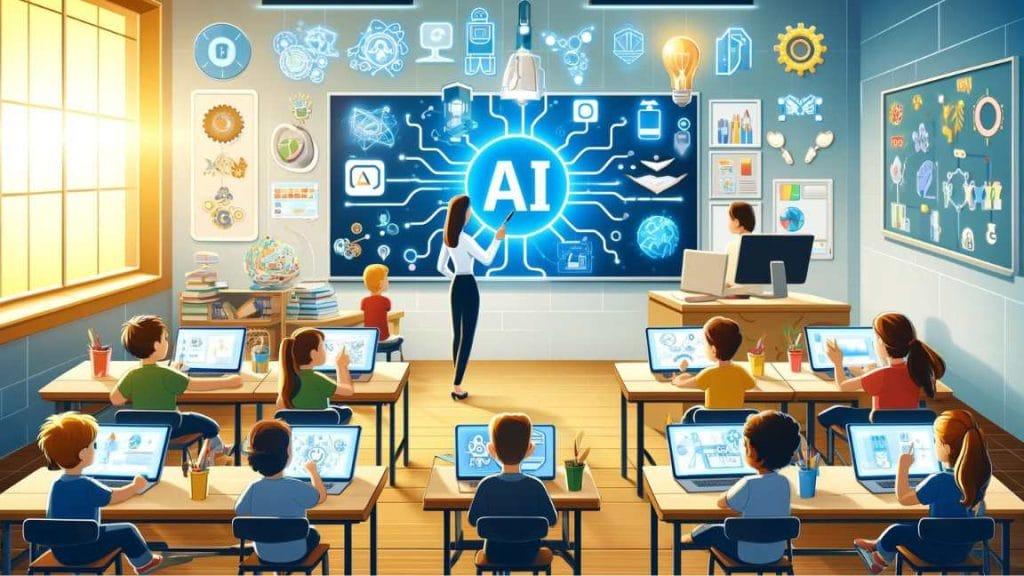
AI in Classrooms: Revolutionizing Teaching and Learning in 2025
Artificial Intelligence (AI) is rapidly reshaping every aspect of our lives, and education is no exception. In 2025, AI in classrooms is set to revolutionize the landscape of teaching and learning, making education more interactive, personalized, and efficient than ever before. Whether you’re a teacher, student, or educational institution, understanding how AI can enhance learning experiences is essential.
The Rise of AI in Education
In recent years, the request of artificial intelligence in education has grown exponentially. From intelligent tutoring systems to AI-powered grading, smart classroom assistants, and adaptive curricula, AI is now a cornerstone technology for innovative schools worldwide. As digital conversion accelerates, the role of AI in classrooms is expected to become even more prominent by 2025.
Key technologies Driving AI in Classrooms
- Adaptive Learning Platforms: technologies that tailor lessons to individual student needs and learning paces.
- Automated Assessment Tools: AI-driven systems for efficient grading, feedback, and analysis.
- Intelligent Tutoring Systems: virtual tutors provide personalized guidance, answering queries and offering support.
- Natural Language Processing (NLP): Enhances dialog,translation,and learning for diverse classrooms.
- Predictive Analytics: Identifies learning gaps and proactively suggests interventions.
Benefits of AI in Classrooms
1. Personalized Learning Journeys
Personalization lies at the core of AI-driven classrooms. AI analyzes each student’s learning patterns, strengths, and weaknesses to create customized lessons and activities. Whether a student excels in mathematics or struggles with reading comprehension, AI solutions recommend tailored resources and exercises, maximizing academic achievement.
- Custom lesson plans based on real-time data
- Individualized feedback for continuous improvement
- Automated suggestions for learning resources
2. enhancing Teacher Effectiveness
By automating administrative tasks like grading and attendance,AI classroom tools free up valuable time for teachers to focus on what truly matters: teaching and mentoring. AI-generated analytics provide actionable insights into student performance,helping educators refine their teaching strategies for better outcomes.
- Time savings from automated grading
- Data-driven decision making
- More meaningful teacher-student interactions
3.Supporting Diverse Learners
AI’s advanced natural language processing and translation capabilities empower teachers to support multilingual and neurodiverse students with personalized strategies. Speech-to-text, language translation, and assistive technologies create more inclusive learning environments.
- Speech recognition for students with disabilities
- Real-time language translation for international classrooms
- adaptive content based on cognitive needs
4. Accelerating Administrative Efficiency
Educational management is streamlined by AI-powered platforms that automate scheduling, security, resource allocation, and more. Administrators find themselves better equipped to ensure the smooth running of day-to-day operations.
- Automated registration and attendance systems
- Optimized classroom scheduling
- Efficient tracking of student progress
Practical Strategies for Implementing AI in Classrooms
Successfully integrating AI for teaching and learning in classrooms requires thoughtful planning, professional progress, and continuous evaluation. Here are some practical tips for educators and school leaders:
- Start Small: pilot AI tools in select classes or subjects before expanding school-wide.
- Upgrade Infrastructure: Ensure reliable internet and device access for every student.
- Invest in Training: Offer professional development for teachers to master AI-powered technologies.
- Emphasize data Privacy: Choose AI solutions that prioritize security and uphold ethical standards.
- Seek Student Input: Involve learners in the selection and evaluation of AI classroom tools.
Case studies: Real-World Success Stories
Case Study 1: AI-Powered Tutoring Transforming Test Scores
A middle school in California adopted an AI-based math tutoring platform in 2024, enabling students to receive instant feedback and interactive problem-solving exercises tailored to their skill level. Within one academic year, average math scores improved by 18%, with students reporting greater confidence and enjoyment in the subject.
Case Study 2: Language Learning Made Easy
In a bilingual school in Madrid, AI-enabled translation tools bridged the gap between native Spanish speakers and international students. Teachers used voice recognition to facilitate real-time discussions, assign homework in both languages, and create an inclusive, dynamic classroom habitat.
Case Study 3: Addressing Learning Challenges in Inclusive Education
A public school in Toronto leveraged AI-based adaptive learning software for neurodiverse students. The system offered personalized reading passages, automatic adjustments in difficulty, and visual cues for focus. The drop in dropout rates by 30% highlighted AI’s potential in supporting diverse learning needs.
First-Hand Experience: Teacher Perspectives on AI Integration
“Incorporating AI into my classroom has completely transformed the way I approach individualized instruction. Rather of spending hours analyzing test scores, I now receive instant data reports highlighting which students need extra help and which are excelling. The AI-powered system allows me to focus more on creative project work and less on administrative chores.”
— Ms. Emma rodriguez, High School Science Teacher
Many educators echo similar sentiments, noting the positive impact on student engagement, classroom management, and teaching efficiency. The ability to leverage AI in education provides a toolkit to address varied student needs and foster a more conducive environment for learning.
Challenges and Considerations for AI implementation
Despite its vast potential, implementing AI classroom solutions in 2025 comes with unique challenges:
- Budget Constraints: advanced AI systems require initial investment in technology and training.
- Equity and Access: Ensuring equal access to AI-powered learning for all students, irrespective of socio-economic background.
- Data Security: Safeguarding sensitive student information is paramount.
- Teacher Adaptation: Ongoing professional learning is essential to keep up with technological advancements.
- Ethical Use: Balancing innovation with best practices in digital citizenship and privacy.
Educational institutions must address these challenges proactively to realize the full promise of AI in classrooms.
Looking ahead: The Future of AI in education
As we approach the middle of the decade, AI-driven learning environments will become the norm. By 2025,experts predict even more immersive experiences,with virtual reality (VR) and augmented reality (AR) seamlessly integrated with AI learning platforms.
- AI-powered content creation aligned with curriculum standards
- Intelligent classroom management systems for behavioral monitoring
- Predictive support for students at risk of academic failure
- Cross-disciplinary collaboration enabled by smart classroom networks
Schools investing early in AI for teaching and learning will position themselves at the forefront of educational excellence, equipped to foster innovation, creativity, and global citizenship.
Conclusion
AI in classrooms is more than just a technological upgrade; it’s a paradigm shift in educational approach. In 2025, AI will be central to creating personalized, equitable, and efficient learning experiences for all students. By embracing these advancements, educators and institutions can unlock new potential, nurture critical thinking, and prepare students for the rapidly evolving world.
Ready to take the next step? Explore AI-powered educational tools and strategies to revolutionize your classroom experience in 2025 and beyond!