
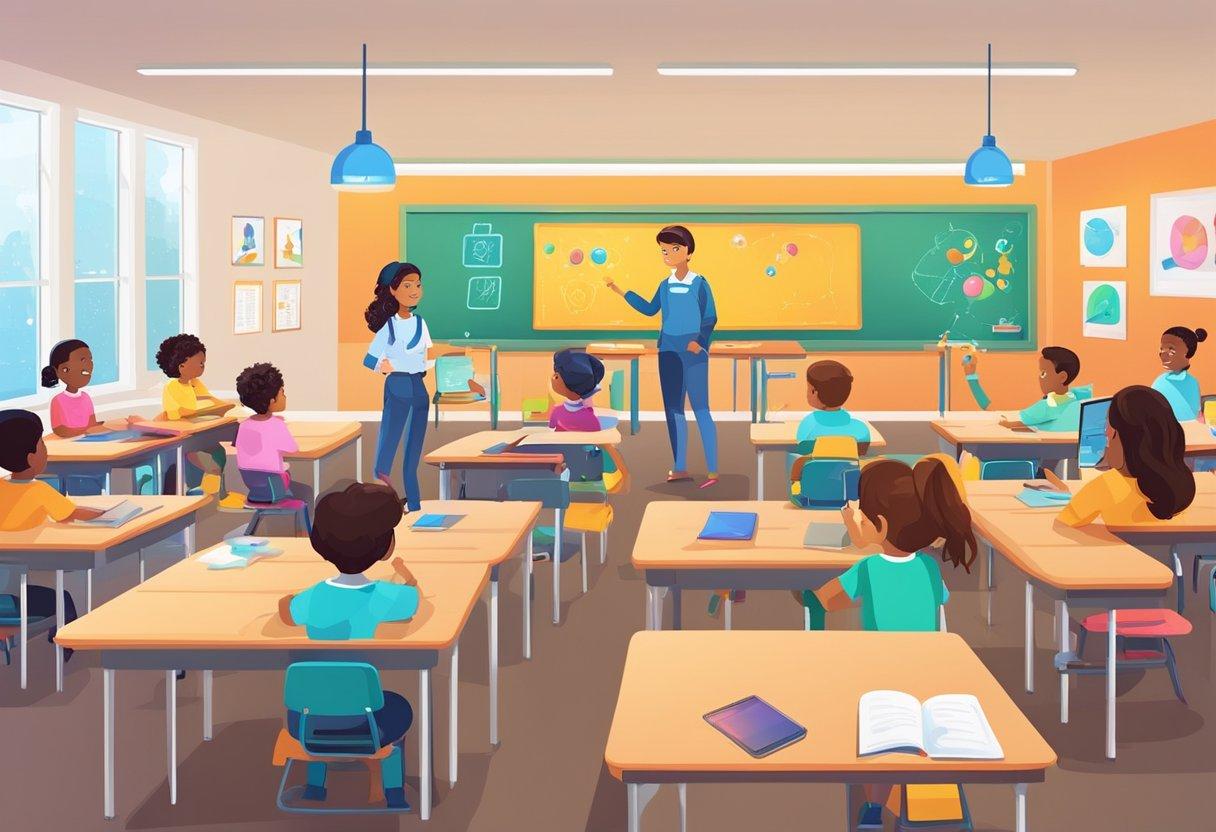
AI in Early Childhood Education: Key Opportunities and Risks Explored
Artificial Intelligence (AI) is revolutionizing many industries, and early childhood education is no exception. As technology advances, educators and parents increasingly leverage AI-powered tools to enhance learning experiences for young children. However, while the integration of AI in early childhood education presents important opportunities, it also comes with certain risks and challenges.
In this article, we’ll explore how AI is reshaping early childhood education, the key benefits it offers, practical implementation tips, common challenges, and what you need to watch out for to create a balanced, safe, and effective learning environment.
Key Opportunities: Benefits of AI in Early Childhood Education
AI brings a range of exciting possibilities to the early years of education, supporting both teachers and learners. Here’s how AI is making a difference:
- Personalized Learning Paths: AI-powered platforms can tailor lessons and activities to each child’s unique learning style, pace, and strengths, resulting in improved engagement and retention.
- Early Detection of Learning Difficulties: advanced analytics enable AI systems to spot learning gaps or delays early,allowing for quicker intervention and support from educators and parents.
- Interactive Educational Content: Intelligent apps and devices can create immersive experiences (e.g., voice-activated storytelling, interactive games) that foster curiosity and creativity in young minds.
- Efficient Administrative Tasks: AI streamlines daily administrative duties like attendance, curriculum planning, and assessment tracking, freeing up time for educators to focus on individual student needs.
- Language Learning Support: Speech recognition and natural language processing (NLP) tools help children learn new languages, practice pronunciation, and develop vocabulary in fun, accessible ways.
- Accessibility Improvements: AI-driven tools can adapt resources for children with special educational needs, promoting inclusive learning environments.
real-World Applications: Case Studies and First-Hand Experiences
1. Smart Learning Apps in Kindergartens
In several leading kindergartens and pre-schools, AI-powered educational apps, such as Osmo and Khan Academy Kids, are being used to deliver personalized activities tailored to each child’s progress. Teachers report increased engagement and motivation, especially among children with diverse learning abilities.
2. AI for Early Literacy Programs
Schools integrating AI-driven reading platforms like Lexia Core5 note a marked betterment in literacy rates, notably for children struggling with phonics or vocabulary. These platforms use adaptive AI algorithms to suggest targeted exercises and reading materials.
3.Teacher’s Outlook: Automating Assessments
Many educators share that AI helps automate basic assessments and lesson planning, allowing them to focus their energy on mentoring and creative instruction. In interviews, teachers appreciate AI tools that provide real-time insights into student performance.
Practical Tips: Effectively Integrating AI in Early Childhood Education
- Start small: Pilot AI tools in one subject or classroom before wider adoption. Monitor outcomes and adapt accordingly.
- Choose Age-Appropriate Solutions: select apps and platforms specifically designed for young learners, with intuitive interfaces and safe, ad-free environments.
- Balance Tech with Human Interaction: Use AI as a supportive resource alongside customary teaching methods.Maintain strong teacher-student relationships which are crucial at the early childhood stage.
- Prioritize Data Privacy: Ensure AI tools comply with child data protection laws. Review privacy policies and opt for solutions with robust security features.
- Involve Parents: Keep families informed about AI usage and encourage supervised interaction at home. Provide guidance on digital balance.
- Continuous Professional Development: Offer AI training for educators to maximize the benefits and minimize misuse or misunderstanding.
Risks and Challenges of AI in Early Childhood Education
Despite compelling advantages, the integration of artificial intelligence in early childhood education must proceed cautiously. Here are several key risks and potential downsides to consider:
- Data Privacy and Security Concerns: Young children’s data is especially sensitive. Unauthorized data access or breaches can compromise personal details and safety.
- Screen time and Developmental Impact: excessive reliance on digital devices may hamper social, emotional, and physical development if not appropriately managed.
- Over-Automation: While AI can automate many tasks, it should not replace human intuition, empathy, and teaching that are vital during early learning years.
- Bias and Equity Issues: AI algorithms may unintentionally reflect biases present in their training data, potentially impacting children from underrepresented groups.
- Cost and Accessibility: The adoption of advanced AI technologies may be limited in low-income communities, exacerbating the digital divide.
- Lack of Regulation: The rapid pace of AI development is often outpacing regulations,making it challenging for educators to navigate ethical use.
Best Practices for a Safe and Effective AI-Enhanced Learning Environment
Successfully leveraging AI in early childhood education means striking a balance between innovation and caution. Consider these best practices:
- Emphasize Human Guidance: AI should assist, not replace, qualified educators, caregivers, and family members.
- Set Clear Boundaries for Screen Time: Follow age-appropriate recommendations and encourage hands-on, outdoor, and social play.
- Monitor and Review AI Tools Regularly: Audit AI platforms for effectiveness, biases, and data safety.
- Incorporate Diverse Learning Resources: Utilize both digital and nondigital materials to ensure holistic development.
- Engage Stakeholders: Collaborate with parents, teachers, and administrators when implementing new AI solutions.
Conclusion: Navigating the Future of AI in Early Childhood Education
Artificial Intelligence is set to play an influential role in shaping the future of early childhood education. The opportunities for personalizing learning, supporting educators, and reaching previously underserved populations are truly transformative—when implemented carefully.
To harness the full potential of AI in early childhood education, stakeholders must remain vigilant about ethical concerns, safeguard privacy, and ensure children’s holistic development is at the center of every decision. By combining human compassion with smart technology, we can create learning environments that are stimulating, safe, and inclusive for every child.
if you’re considering integrating AI into your early childhood program or classroom, start with research, pilot projects, and open dialog with parents and professionals. The future is bright when we innovate responsibly.