
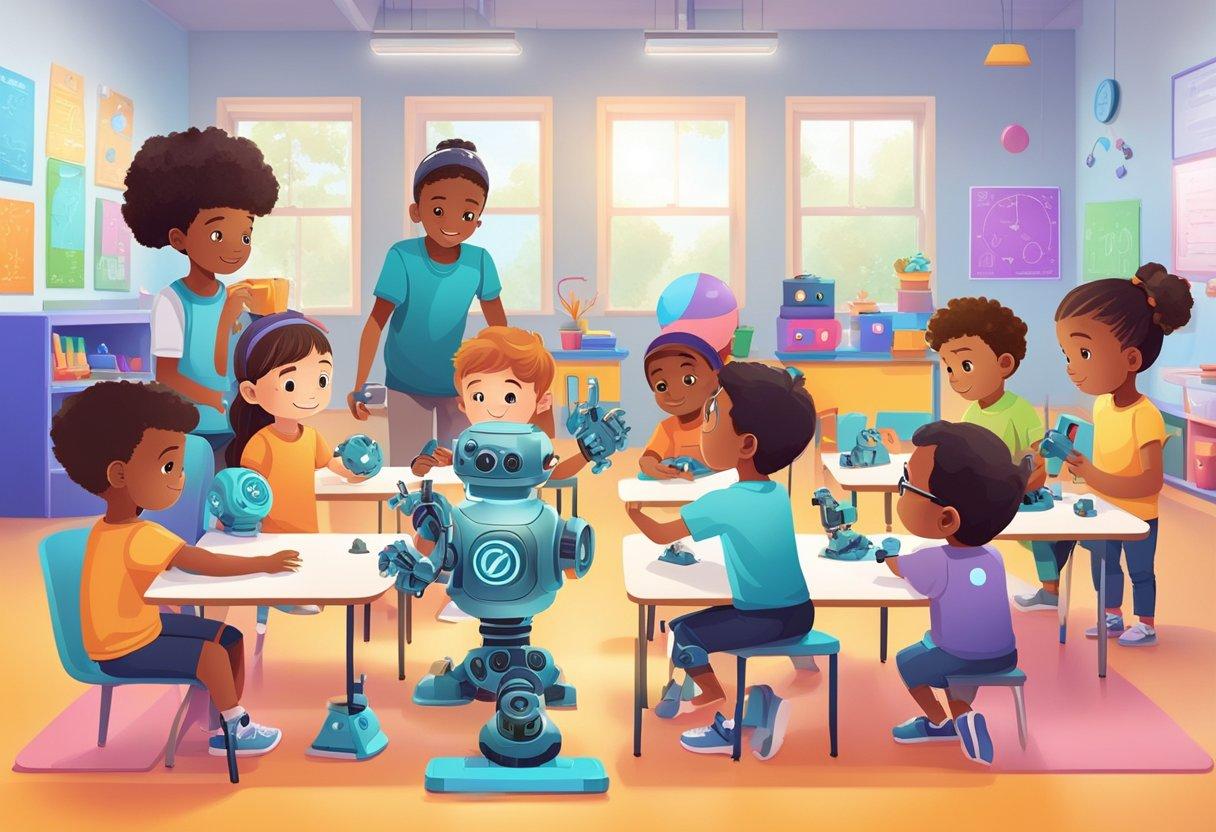
AI in Early Childhood Education: Key Opportunities, Crucial Risks & Future Insights
Artificial intelligence (AI) is revolutionizing the education sector, stretching its influence even into early childhood classrooms. As both excitement and caution swirl around AI in early childhood education, stakeholders—parents, educators, and curriculum designers—are seeking trusted insights. This article explores how AI is shaping early learning, highlighting transformative opportunities, crucial risks, practical tips, case studies, and expert predictions for the future.
The Role of AI in Early Childhood Education
AI is quickly becoming a cornerstone of innovation within early childhood education. From interactive learning platforms to personalized curriculums, AI-powered tools are uncovering new pathways for cognitive development, creativity, and tailored learning experiences for children aged 2-8. Integrating AI into the classroom can support teachers, engage young learners, and empower parents to track their child’s progress.
- Adaptive learning: AI algorithms can assess a child’s strengths and weaknesses, offering personalized exercises that cater to individual needs.
- Intelligent tutoring systems: Tools like chatbots and virtual assistants provide instant feedback and guidance.
- Speech and language development: AI-powered apps can help diagnose and address speech impediments or learning disorders early.
- Parent-teacher communication: Automated updates and suggestions strengthen the support structure around each child.
Key opportunities of AI in Early Childhood Education
1. Personalized Learning Pathways
Perhaps the most significant opportunity AI introduces is personalization. Using data-driven analytics, educational apps and platforms modify activities to suit each child’s unique learning style.
- Customized curriculum: AI tailors reading or math games according to the child’s progress.
- real-time assessment: Teachers instantly know which students need extra help or further challenges.
- Inclusive learning: Children with disabilities or language barriers receive adaptive support.
2. Enhanced Teacher Support
AI isn’t replacing teachers—it’s supporting them. Routine tasks such as grading, tracking progress, and creating lesson plans can be automated, freeing teachers to focus on human-centered teaching moments.
- Instant grading and progress reports
- Automated lesson suggestions
- smart classroom management tools
3. Early Detection of Learning Challenges
Early intervention is vital. AI-enabled screening tools can detect early signs of dyslexia, ADHD, or other learning disabilities, alerting educators and parents to development concerns sooner.
- Speech recognition for language delays
- Behavioral pattern analysis
- On-demand remediation strategies
4. Gamification & Engagement
Children thrive on play. AI makes learning more fun by creating game-based activities that adapt dynamically to a child’s pace, boosting motivation and retention.
- Interactive storytelling
- Problem-solving games
- Virtual creative workshops
crucial Risks & Ethical Considerations
Despite its promise, integrating AI into early childhood education comes with significant risks that must be addressed proactively.
1. Data privacy & Security
- Concerns: Children’s personal data can be vulnerable to breaches or misuse.
- Best Practice: Onyl use AI platforms with robust encryption and clear data policies.
2. Overreliance on Technology
- Concerns: Excessive screen time can harm social, emotional, and physical development.
- Best Practice: balance AI activities with collaborative, hands-on, or outdoor play.
3. bias in AI Algorithms
- Concerns: AI systems trained on biased data can reinforce stereotypes or inequitable outcomes.
- Best Practice: Choose platforms vetted for inclusivity and diverse portrayal.
Real-World Case Studies
Let’s look at practical examples of AI transforming early childhood education globally.
Case Study 1: Miko AI Robot
Miko is an interactive AI robot designed for children aged 5-10.It entertains, educates, and helps children develop social skills through games, stories, and personalized quizzes. Teachers report higher engagement and improved verbal skills among young learners.
Case Study 2: Lingokids Language app
Lingokids deploys AI-driven activities to teach English vocabulary, grammar, and pronunciation. The app adapts to the child’s learning pace, tracking progress and sending reports to parents. The tailored experience improves language acquisition and digital literacy.
Case study 3: IBM Watson for Early Intervention
IBM’s Watson-based cognitive platform is providing early screening tools for autism spectrum disorder. By analyzing video and audio data, the system identifies subtle learning patterns, enabling earlier support plans in preschool settings.
First-Hand Expert Insights
“AI is most powerful in the hands of a skilled educator. Its ability to personalize learning is exciting, but human interaction is irreplaceable in the formative years.”
— Dr. Linda Mercer, Early Learning Specialist
“Parental involvement must keep pace with technological advancements.AI tools can bridge educational gaps—but parents need to stay engaged and informed.”
— javier Rios, EdTech Developer & Parent
Practical Tips for Parents & Educators
- Evaluate platforms: Prioritize AI education tools with strong privacy protection and clear learning objectives.
- Limit screen time: Follow guidelines from pediatric experts regarding device exposure per age group.
- Integrate AI activities: Blend digital interaction with customary learning and outdoor play for holistic growth.
- Stay informed: Attend webinars, read updates, and network with other educators or parents to keep up-to-date with AI developments.
- Encourage feedback: Regularly ask children what they enjoy or struggle with in AI learning activities.
Future Insights: Where Is AI in Early Childhood Education Heading?
As AI technologies continue to evolve, anticipate more innovative and accessible solutions for early childhood education. Here are a few promising predictions:
- Voice-driven learning: Speech recognition will make apps more intuitive,supporting children who can’t yet read.
- Emotion recognition: Advanced AI can personalize teaching strategies based on a child’s emotional responses.
- Global inclusion: Free or low-cost AI platforms will enable children worldwide to access quality education earlier.
- Hybrid classroom models: Teachers will blend AI-powered activities with tactile, social, and experiential learning.
- AI-aided teacher training: New tools will help teachers upskill and adapt to digital transformation.
EdTech investments in AI are projected to grow annually, with a focus on ethical design, transparency, and child safety. Regulatory bodies are also working to create standards to protect students’ privacy and rights.
Conclusion: Maximizing Benefits & Minimizing Risks of AI in Early Childhood Education
AI is reshaping early childhood education—but it’s only as powerful, safe, and equitable as the hands that guide it. The key opportunities lie in personalized learning, intelligent teacher support, early detection of challenges, and engaging environments. Yet, crucial risks—data privacy, overreliance on technology, and algorithmic bias—require vigilant oversight and thoughtful implementation.
If parents, educators, and EdTech innovators collaborate, the future of AI in early childhood education will not just delight and transform—it will nurture and protect, ensuring every child has the chance to thrive in a rapidly changing world.
Keywords used: AI in early childhood education, artificial intelligence, early learning, personalized learning, EdTech, education technology, screen time, teacher support, child safety, data privacy, learning challenges, future of education, risks of AI, opportunities of AI.