
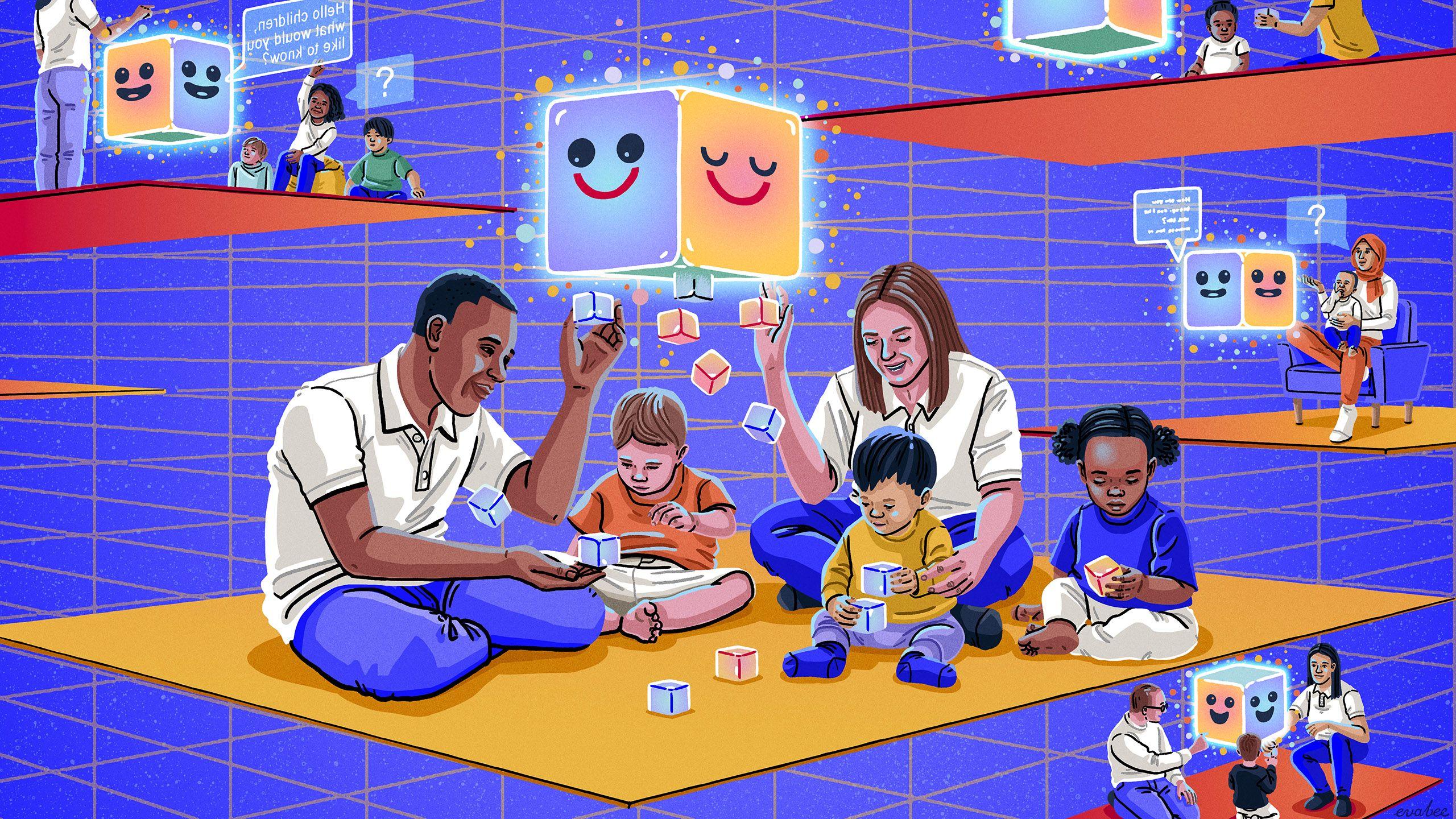
AI in Early Childhood education: Key Opportunities, Risks, and What Parents Should Know
Artificial intelligence (AI) is rapidly reshaping various aspects of our lives, including early childhood education. For parents seeking to provide the best learning habitat for their children, understanding the potential of AI in early education is crucial. This comprehensive guide explores the key opportunities, risks, benefits, and expert tips, helping parents make informed decisions about AI-powered educational tools.
Introduction: The Emergence of AI in Early Childhood Learning
From personalized learning apps to interactive robotics, AI in early childhood education is becoming more accessible and influential. These advanced technologies are designed to enhance engagement, improve learning outcomes, and cater to individual needs, making them increasingly attractive to educators and parents alike.
Though, as AI-powered learning tools become popular, questions about their effectiveness, safety, and long-term impact on young children persist.How can parents navigate the world of artificial intelligence in early education? What are the real opportunities, and what risks should you watch out for?
Key opportunities of AI in Early Childhood Education
AI is unlocking new horizons for children, educators, and families. Here are some of the main opportunities:
1. Personalized Learning Experience
- Adaptive Content: AI-driven education platforms analyze a child’s performance and tailor lessons to their individual needs, making learning more engaging and effective.
- Customized Pace: Children can learn at their own speed, revisiting challenging topics or skipping concepts they’ve already mastered.
2. Early Identification of Learning disabilities
- Progress Tracking: AI-enabled tools monitor learning patterns and flag potential developmental delays or learning disabilities,allowing for early intervention.
3.Interactive and Engaging Learning Tools
- game-Based Learning: AI enhances gamification, turning educational content into fun and interactive experiences that keep young children motivated.
- Virtual Companions: educational robots and digital assistants provide feedback and support, helping children grasp concepts in age-appropriate ways.
4.Multilingual and Inclusive Education
- Language Support: AI can translate and simplify instructions,making education accessible to children from diverse linguistic backgrounds.
- Special Needs Accommodation: AI-powered apps can adjust learning strategies for children with physical, cognitive, or sensory challenges.
Risks and Challenges: What Parents need to Know
While the benefits are compelling, it’s essential to address the risks associated with AI in early childhood education:
1. Data Privacy and Security
- Personal Data Collection: Many AI tools gather sensitive details,including learning progress,voice recordings,and behavioral patterns. Parents must ensure proper data protection protocols are in place.
- Third-Party Sharing: Investigate who has access to your child’s data and how it may be used for advertising or research purposes.
2. Screen Time Concerns
- Balance is Key: Excessive use of digital devices can impact sleep,social skills,and physical health.Parental moderation is crucial.
- Quality over Quantity: Focus on high-quality AI educational apps that encourage interaction and off-screen activities.
3. Equity and Accessibility
- Digital Divide: Not all children have equal access to AI-powered devices or reliable internet, potentially widening educational gaps.
4. over-Reliance on Technology
- Human Touch matters: AI should augment, not replace, conventional learning, play, and face-to-face socialization that are vital for developing emotional intelligence.
Benefits of AI in Early Childhood Education
- Enhanced Engagement: Personalized AI content keeps young learners motivated and interested in educational activities.
- Efficiency for Educators: Teachers can leverage AI analytics to better understand student needs and automate routine administrative tasks.
- Global Learning Opportunities: AI-powered tools connect children with worldwide peers, fostering cross-cultural understanding.
- Supporting Diverse Learning Needs: AI helps identify and address a range of developmental challenges early.
Practical Tips for Parents: Safely Integrating AI into Your Child’s Learning
Maximize the benefits of AI in your child’s education while minimizing risks with these actionable tips:
- Research Apps and Tools: Choose AI-driven educational products with reputable reviews, strong privacy policies, and clear learning objectives.
- Set Time Limits: maintain boundaries around screen time according to your child’s age and developmental stage.
- Co-Engage with Your Child: Participate in AI-powered activities with your child to guide the learning process and encourage dialog.
- Monitor Data Privacy: Regularly review the privacy settings and data sharing policies of all apps your child uses.
- Encourage Offline Activities: Balance AI-driven learning with arts,outdoor play,and social interactions.
- check for Accessibility: Ensure the chosen AI tools are inclusive and adapt to any special needs your child may have.
Case Studies: AI in Action in Early Childhood classrooms
1. Language Learning Apps
example: Tools like Lingokids use AI algorithms to adjust vocabulary challenges based on a child’s progress, creating a personalized and adaptive pathway to language proficiency for preschoolers.
2.Smart Reading Assistants
Example: Reading apps powered by AI can identify words or sounds that a child struggles with, offering live feedback and customized exercises to strengthen literacy skills.
3. Robotics for Social-Emotional Development
Example: social robots like Kiko dramatically improve social skills and empathy in early learners by interacting, telling stories, and modeling emotional responses.
Expert and First-Hand Experiences
“AI has enabled us to spot learning difficulties at an early stage, which means children get the help they need when it matters most.” – early Childhood Educator
“As a parent, I value educational apps that allow me to monitor progress and actively participate in my child’s learning journey.” – Parent of a 4-year-old
What Does the Future Hold for AI in Early childhood Education?
The trend of AI in education for young children is highly likely to accelerate, with new advancements in adaptive learning, speech recognition, and emotion tracking. As the technology matures,expect more elegant educational experiences—but also a greater need for oversight,guidance,and thoughtful integration.
Legislation and public policy are also evolving to protect children’s privacy and ensure ethical use of AI in schools and homes.
Conclusion: Making AI Work for Young Learners
AI is an exciting frontier in early childhood education, offering numerous opportunities to enhance learning outcomes and foster creativity. However,the risks—ranging from data privacy issues to potential over-reliance on technology—underscore the importance of active,informed parental participation.
As parents, your role is pivotal in guiding your child’s AI-powered learning journey. By choosing safe,high-quality educational tools,setting healthy boundaries,and embracing a balanced approach,you can ensure that AI delivers positive results for your child’s development. Stay proactive, keep learning, and remember: when used wisely, AI can be a fantastic ally in nurturing your child’s lifelong love for learning.