
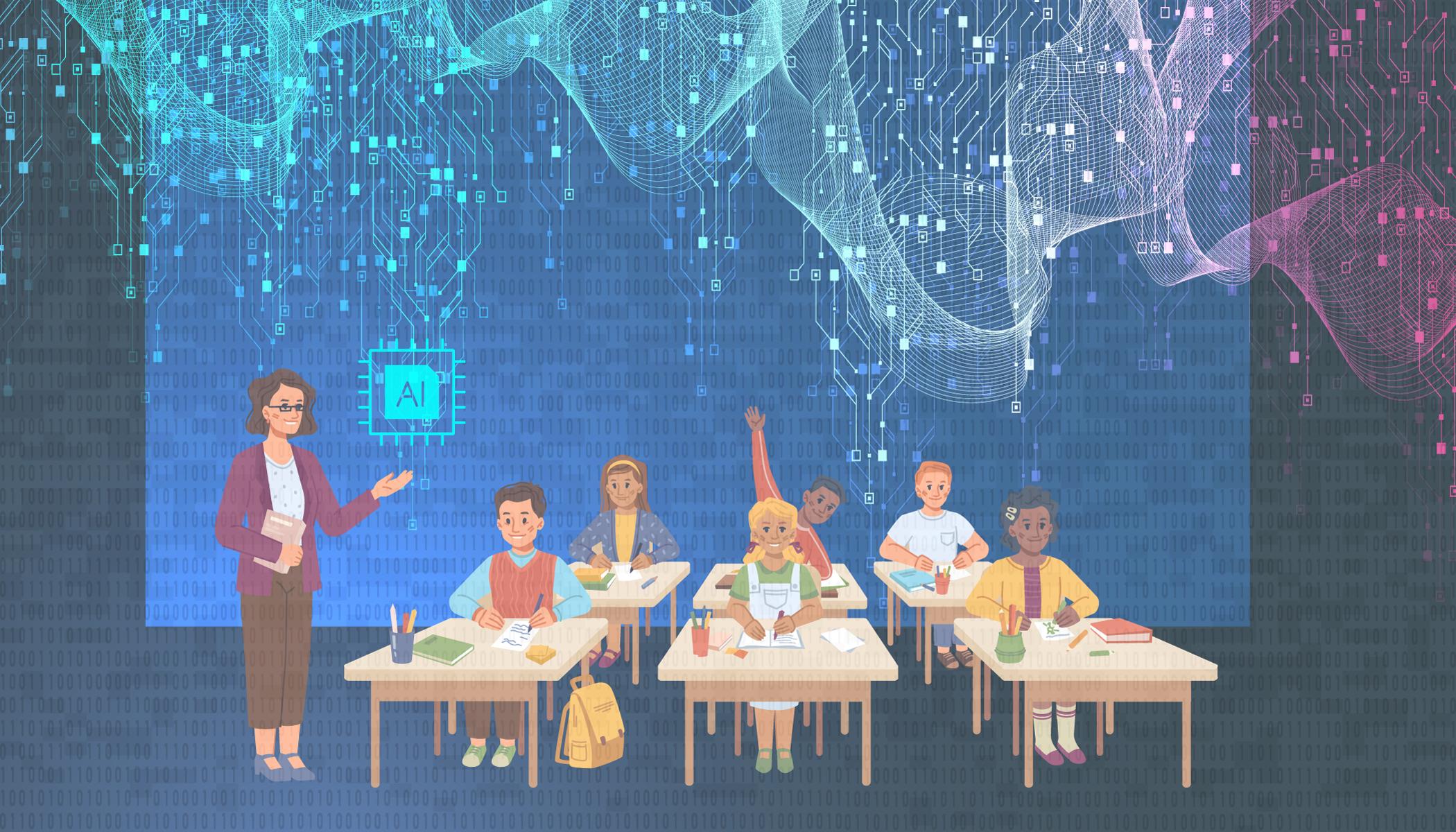
AI in Early Childhood Education: Unlocking Benefits and Addressing Risks
artificial intelligence (AI) is rapidly shaping the future of learning, even for the youngest minds. As technology permeates every facet of our lives, AI in early childhood education is emerging as a topic of huge interest. From intelligent tutoring systems and personalized learning apps to classroom robotics, educators and parents are discovering new ways to enrich early learning experiences. However, this technological wave also brings its own set of risks and significant considerations.
In this article, we’ll explore the transformative potential of AI in early childhood education, discuss the associated risks, highlight key benefits, and provide practical tips for responsible implementation. Let’s dive into how educators and families can harmonize AI technology with the developmental needs of young children.
Understanding AI in Early Childhood Education
AI is no longer science fiction for preschoolers and kindergarteners. Early childhood education AI tools range from playful voice assistants and interactive storybooks to adaptive learning platforms that can adjust content based on a child’s progress. The integration of artificial intelligence in preschool and primary school settings promises more than just automation—it enables truly personalized experiences, engagement, and insights for teachers and families.
- Adaptive games that adjust difficulty based on performance and engagement
- Speech recognition tools aiding language and literacy advancement
- AI-powered classroom assistants automating administrative tasks for teachers
- Emotion detection software offering social-emotional learning support
While this technology can be empowering, education stakeholders must consider the full landscape—including ethical issues, data privacy, and developmentally appropriate usage.
Key Benefits of AI in Early Childhood Education
The thoughtful integration of AI in early learning environments can unlock impressive benefits for all stakeholders:
1. Personalized Learning Experiences
AI-driven platforms can tailor lessons to match individual learning styles, paces, and interests. For instance, a reading app may recommend stories based on a child’s linguistic ability, ensuring consistent engagement while preventing boredom or frustration.
2. Enhanced Student engagement
Children are naturally attracted to interactive and playful technology. AI-powered games and virtual assistants can transform abstract concepts into exciting adventures, motivating young learners to participate actively and explore new topics.
3.Immediate, Data-Driven Feedback
Real-time feedback helps children correct mistakes and build confidence instantly. Educators also benefit from actionable insights, which allow them to adjust instruction and target support where it’s most needed.
4.Supporting diverse Learning Needs
AI tools can accommodate a range of learning needs, including those of children with disabilities or non-native language speakers. Accessibility features like voice commands, image recognition, and adaptive interfaces foster inclusive classrooms.
5. Streamlining Teacher Workloads
With AI managing administrative tasks such as attendance, grading, and classroom management, teachers are free to devote more time to planning engaging lessons and connecting with students one-on-one.
risks and Challenges of AI in Early Learning
As promising as AI in early childhood education might potentially be, several risks and challenges require careful attention:
- Data Privacy & Child Safety: Sensitive details about children is collected and analyzed.Ensuring robust data protection and compliance with regulations (like COPPA and GDPR) is essential.
- Developmentally Appropriate Use: Too much screen time or poorly designed AI apps can undermine physical, social, and emotional growth. Technology should enhance—not replace—human interactions.
- Algorithmic bias: AI systems can reflect or amplify biases present in their training data. This may result in unequal access, reinforcement of stereotypes, or inaccurate assessments.
- Over-Reliance on Technology: Excessive dependence on AI tools could diminish children’s creativity, critical thinking, or interpersonal skills.
A balanced approach is necesary to realize AI’s potential while safeguarding the holistic development of young children.
Practical Tips for Educators and Parents
To maximize the advantages of AI in preschool education and mitigate its challenges, here are some evidence-based recommendations:
- Choose High-Quality, Age-Appropriate AI Tools: Evaluate apps and platforms for developmental appropriateness, educational value, and absence of in-app advertising or distractions.
- Prioritize Human Interaction: Use AI as a supplement to—not a substitute for—teacher-child and peer connections, which are foundational for early development.
- Manage Screen Time: Follow pediatric guidelines to limit passive screen time and incorporate active, engaging digital learning activities.
- Ensure Data Privacy: Verify tech providers’ data handling practices. Secure parental consent and regularly review privacy policies.
- Foster Digital Literacy: Help young learners understand how technology works, the importance of safety online, and the limits of AI.
- Promote Equity: Choose tools that are accessible for children with different abilities, languages, and socioeconomic backgrounds.
- Continuous Evaluation: Monitor children’s responses to AI tools and adjust practices based on developmental feedback and best-practice guidelines.
Case Studies: Real-World Examples of AI in Early Education
Mochi Robot and Tangible Coding
In several preschools worldwide, playful robots like Mochi allow young children to learn coding skills without any screen. Children arrange physical coding blocks that the AI-enabled robot interprets, allowing for hands-on, collaborative learning experiences—a great example of AI in early childhood development integrated with tangible play.
AI-powered storytelling Applications
Apps such as “Novel Effect” enrich storytime by using AI to recognise spoken words and trigger multimedia soundscapes in real-time. This enhances literacy and makes reading out loud more immersive for both children and educators.
Speech Recognition for Early Language Learners
AI-driven speech apps help children practice pronunciation and language comprehension in a safe environment. These tools provide instant, constructive feedback and can be especially valuable for non-native speakers or children with speech challenges.
First-Hand Experiences: Voices from the Classroom
“After introducing AI-powered math games, I observed marked improvements in my students’ confidence, especially among those who previously struggled. The games adapt to their level, making learning fun and accessible.”—Maria L., Kindergarten Teacher
“As a parent, I appreciate reading apps that suggest new books based on my child’s interests. But we still prioritize family reading time—AI can’t replace that bonding experience.”—Nidhi R., Parent of a preschooler
Conclusion: Embracing AI Responsibly in Early Childhood Education
AI is redefining early childhood education, offering tremendous opportunities for personalized learning, engagement, and inclusion. Yet, like all technology, it requires careful and thoughtful application—mindful of children’s development, privacy, and well-being.
By staying informed, prioritizing human relationships, and applying practical best practices, educators and caregivers can harness the benefits of artificial intelligence in early learning while mitigating potential risks. The future of early education is not just digital—it’s a balanced blend of innovation, empathy, and evidence-informed practice.
Ready to explore the potential of AI in yoru child’s or classroom’s learning journey? Stay updated with the latest trends, research, and tips on our blog, and join the conversation about responsible AI in early childhood education!