
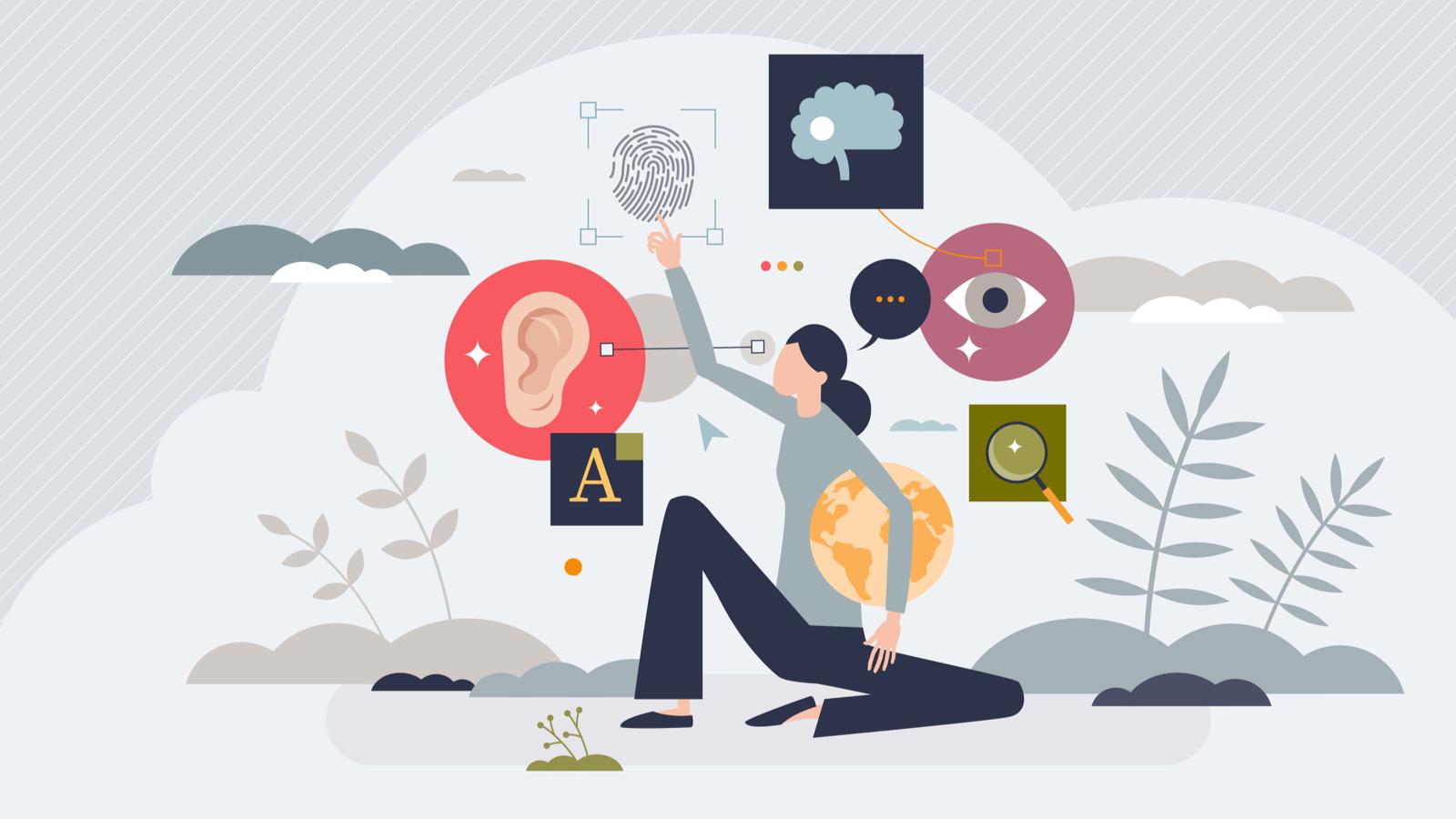
AI in Special Education: Bridging the Gap for Students with Special Needs
The role of AI in special education is rapidly evolving,offering innovative solutions that empower educators and enhance learning for students with special needs. From intelligent tutoring systems to speech recognition technologies, artificial intelligence is helping to bridge longstanding gaps in educational access, support, and personalized learning. This complete guide explores how AI-driven tools are transforming special education, the benefits they bring, key case studies, and actionable tips for educators and parents looking to harness these advancements.
What is AI in Special Education?
Artificial intelligence in special education refers to the integration of machine learning, natural language processing, and other smart technologies to create adaptive educational solutions tailored to the unique needs of students with disabilities. By leveraging AI, teachers and administrators can:
- Automatically assess student progress using real-time analytics
- Personalize content based on individual learning profiles
- Provide accessibility features such as speech-to-text and text-to-speech
- facilitate communication for nonverbal students
- Offer virtual assistants and intelligent tutoring systems for ongoing support
AI is not here to replace teachers but to aid educators in creating more effective and inclusive learning environments for students with special needs.
Benefits of AI-Powered Solutions in Special Education
How Does AI Bridge the Gap?
- Personalized Learning: AI algorithms adapt in real-time to each student’s strengths, weaknesses, interests, and pace.
- Early Diagnosis and Intervention: AI can identify learning difficulties and behavioral patterns,enabling early support for students with conditions like autism or dyslexia.
- Accessible Content: Speech recognition, visual aids, and language translation tools help create content accessible for students with visual, hearing, or cognitive impairments.
- Data-Driven Insights: Advanced analytics help teachers develop and adjust Individualized Education Programs (IEPs) more efficiently.
- Empowering Independence: AI-powered apps assist students in communication, organization, and self-management, fostering autonomy.
Real-World Applications and Case Studies
Across the globe, innovative applications of AI in special education are making a tangible difference:
- AI Tutors for Autism: InnerVoice uses AI-driven avatars to help nonverbal students with autism communicate via speech synthesis, facial expressions, and images.
- Speech Recognition for Dyslexia: Tools like Microsoft Immersive Reader and Google Read&Write leverage AI to offer text-to-speech, simplifying reading and comprehension for dyslexic learners.
- Predictive Analytics in IEP planning: Schools employ AI-based software like SIRIS to analyze progress, optimize learning strategies, and alert educators when interventions are needed.
- Accessible Assessments: AI-powered test platforms can automatically adapt the format and difficulty of questions to suit each student’s abilities, enhancing both accuracy and fairness in assessments.
First-Hand Experience: A Parent’s Perspective
“My daughter has a learning disability, and traditional classrooms were overwhelming for her. Since her school implemented AI-based tools like speech-to-text and personalized learning games, she’s become confident and motivated. She now keeps up with her peers and even enjoys interactive lessons at home!”
– Emily Carter, Parent and Advocate
Practical Tips for Implementing AI in special Education
To maximize the benefits of artificial intelligence for students with special needs, consider these best practices:
- Start Small: pilot AI-based apps or assistive technologies in one classroom or subject area before scaling up school-wide.
- Provide Training: Ensure teachers and staff understand the technology, assess its impact, and know how to integrate AI into daily instruction.
- Prioritize Accessibility: Consult with students and parents to identify needs, and choose AI tools that offer multi-sensory support.
- Protect Privacy: Work with IT departments to ensure student data is secure and usage complies with local regulations (such as FERPA or GDPR).
- Measure & Adjust: Use AI’s data tracking to review what’s working, making adjustments to personalize further or troubleshoot challenges.
Challenges & Ethical Considerations
While AI promises critically importent advances in special education, it also poses unique challenges:
- Equitable Access: Not all schools have equal access to high-quality AI resources or infrastructure.
- Bias & Accuracy: AI systems must be carefully designed to avoid reinforcing biases or making erroneous predictions.
- Human Connection: Technology should supplement—not replace—the empathy, encouragement, and expertise of skilled educators.
- Consent & Data Use: Transparency in how student data is collected, stored, and used is vital for maintaining trust.
Addressing these concerns requires collaboration between schools, technology providers, parents, and advocacy groups to ensure every student benefits from AI-enabled learning.
Conclusion: Building Inclusive Futures with AI
The future of AI in special education is bright, offering powerful pathways for bridging the achievement gap and fostering lifelong learning. By thoughtfully integrating AI-powered solutions, schools can craft personalized, equitable, and accessible learning environments where every student—regardless of their abilities—can thrive. As research, technology, and advocacy continue to advance, it’s crucial for educators, parents, and technology leaders to work together, ensuring that the promise of AI translates into real-world progress for students with special needs.
Ready to embrace the future? Explore, experiment, and empower your students by integrating AI-driven special education tools in your learning community today.