
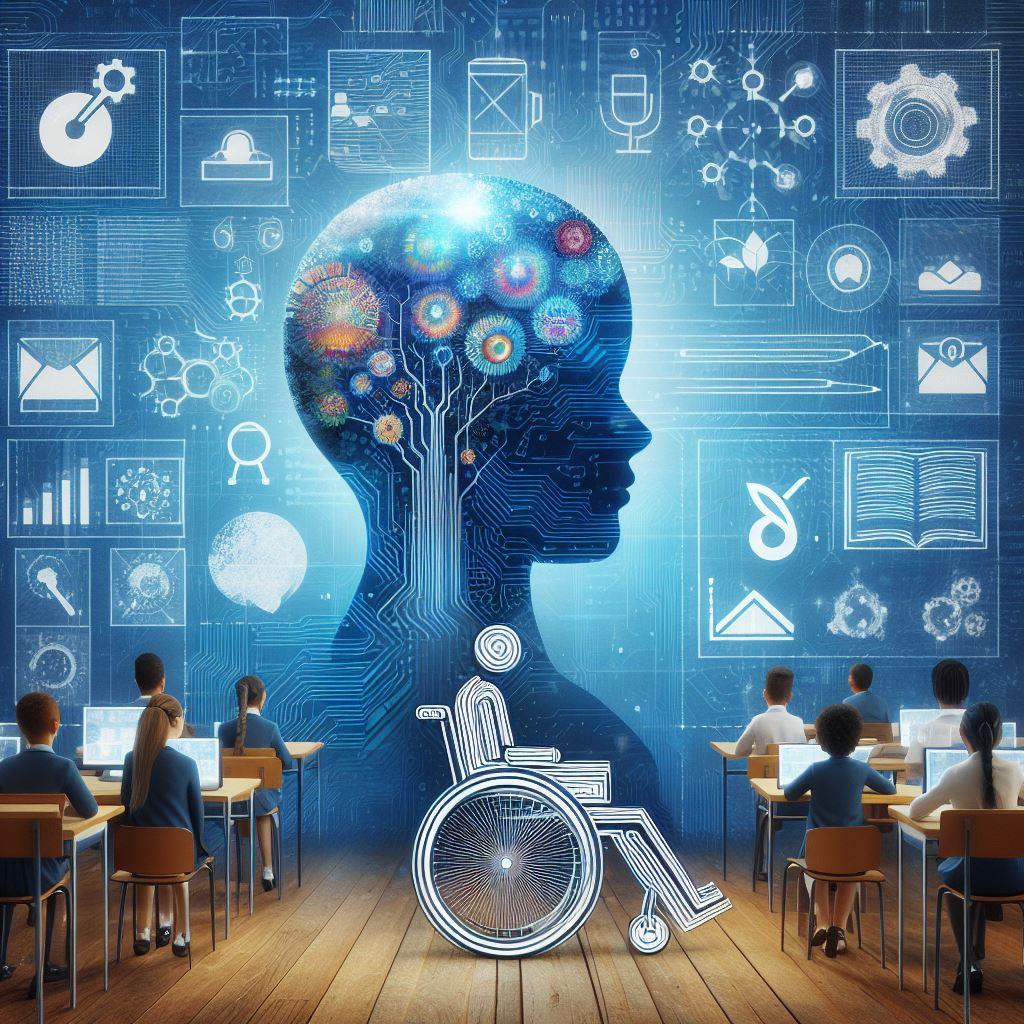
AI in Special education: Bridging the Gap for Students with Unique needs
Artificial Intelligence (AI) is rapidly transforming the landscape of education, opening new horizons for students and educators alike. The impact of AI in special education is especially profound, as it offers tailored support for students with unique learning needs, disabilities, and challenges. In this deep-dive article, we’ll explore how AI is bridging the gap for students with special needs, examine real-world case studies, and provide practical insights to help educators, parents, and policymakers harness this transformative technology.
Understanding Special Education and Its Challenges
Special education encompasses a variety of programs and practices designed to support students with physical, cognitive, emotional, or sensory disabilities. While educators have made great strides, challenges remain:
- individualized Education Plans (IEPs): Tailoring instructions to each student’s strengths and needs is resource-intensive.
- Accessibility: Students with disabilities often require alternative formats, assistive technologies, or specific accommodations.
- Limited Resources: Schools may lack the staff, time, or technology necessary to provide personalized support.
- Stigma and Social Barriers: Students with special needs may face isolation or difficulty integrating into mainstream classrooms.
How can AI bridge thes gaps? Let’s delve into the innovative role of artificial intelligence in special education.
Key Benefits of AI in Special Education
AI brings a host of benefits to special education, making learning more accessible, engaging, and effective. Here’s how:
1.Personalized Learning experiences
- Adaptive Learning platforms: AI-driven platforms analyze a student’s progress and adapt content in real-time, ensuring instructions are paced appropriately for each learner.
- Customized Content Delivery: Content can be modified—made simpler or more complex based on understanding—supporting students with diverse cognitive needs.
2.Enhanced Communication and Accessibility
- Speech Recognition and Augmentative Communication: AI-powered apps like speech-to-text tools and communication boards bridge communication gaps for students with speech or language impairments.
- Text-to-Speech and visual Aids: Converting written content to spoken words or using AI to generate descriptive visuals aids students with visual impairments or dyslexia.
3. Early detection and Intervention
- Predictive Analytics: Analyzing classroom data helps identify learning difficulties early, allowing educators to provide timely intervention.
- Behavior Analysis: AI can recognize patterns of behavior indicating emotional or cognitive challenges, supporting a proactive approach.
4. Reducing Teacher Workload
- Automated Assessments: AI tools can grade assignments or flag areas where students are struggling, freeing educators to focus on direct support.
- Resource Recommendations: Smart tutoring systems suggest supplementary material tailored to each learner’s needs.
5. Fostering Inclusion and Confidence
- Virtual Classmates: AI-driven avatars or chatbots create a supportive peer environment, especially in hybrid or remote learning settings.
- Gamified Learning: AI-powered educational games make learning enjoyable, boost motivation, and build essential skills.
AI Tools and Applications in special education
A growing number of AI-based assistive technologies for special education are already making a real difference:
- Microsoft Immersive reader: This tool aids students with dyslexia by simplifying text, adjusting spacing, and providing text-to-speech.
- Google’s Lookout and Look to Speak: Empowering students with vision impairment to read documents or communicate using eye movements.
- AI-Powered Speech Generators: Solutions like Proloquo2Go assist non-verbal students in communicating with teachers and peers.
- Autism Support Apps: Machine learning-driven tools provide social cues and emotional recognition exercises, helping students on the spectrum strengthen communication skills.
Case Studies: AI in Action in Special Education
Let’s look at some real-world examples to better understand the power of artificial intelligence in special education:
case Study 1: Early Dyslexia Identification
A school district in California implemented an AI-based platform to analyze students’ reading patterns. The tool was able to detect early signs of dyslexia in students who had previously been overlooked and flagged them for targeted assessments. As a result, interventions began earlier and reading proficiency scores increased significantly over three academic years.
Case Study 2: AI-Powered Communication for non-Verbal Students
At a special education center in the UK,AI-driven speech generation devices enabled non-verbal students to participate fully in classroom discussions.Teachers reported a rise in both student engagement and classroom inclusivity, highlighting how AI in assistive communication can break down traditional barriers.
Case Study 3: Personalized Math Tutoring
A non-profit in india utilized an AI-based adaptive learning platform for students with learning disabilities.The system tailored math lessons in real-time, providing visual cues and interactive exercises. Over two years,teachers observed improved confidence and test scores among participants.
Practical Tips for Implementing AI in Special Education
Excited to introduce AI into your classroom or educational program? Here are some expert-recommended tips:
- Start Small: Pilot one or two AI tools to see what works best for your students.
- Ensure Accessibility: Opt for platforms that are compliant with accessibility standards (WCAG), supporting various learning needs and devices.
- Train Staff and Students: Triumphant integration requires training for educators, students, and parents to maximize the benefits of AI tools.
- Prioritize Data Privacy: Ensure all AI solutions adhere to FERPA,COPPA,and other relevant privacy laws.
- Gather Feedback: Regularly collect user feedback to refine and improve tool selection and usage.
- Collaborate with Stakeholders: Engage families, therapists, and local accessibility organizations for support and partnership.
Addressing challenges and Ethical Considerations
While AI holds promise, successful adoption in special education means addressing potential pitfalls:
- Bias in AI: AI systems are only as good as their data. Ongoing audits ensure bias doesn’t influence results or marginalize students.
- Reliability Issues: Regular monitoring ensures tools function as intended and adapt to evolving needs.
- Maintaining Human Connection: AI should complement, not replace, the personal relationships between educators and students.
First-Hand Experience: Teacher Testimonials
“After integrating an AI reading assistant in my special needs classroom, students with dyslexia were able to read aloud for the first time. it’s been a game-changer for their confidence!”
— Anna B., Special Education Teacher, Texas
“AI-powered communication boards allowed my non-verbal students to express their thoughts and feelings. For many, it was the first time their voices were truly heard.”
— Jason W., Assistive Technology Specialist, London
The Future of AI in Special Education
Advancements in AI for special needs education promise an era where every student receives personalized, empowering learning experiences. With ongoing research, increased accessibility, and thoughtful integration, AI can further bridge educational and social gaps, championing equity and inclusion for all learners.
Conclusion
The integration of AI in special education is revolutionizing the way we support students with unique needs. From personalized instruction and accessible technologies to early interventions and communication breakthroughs, artificial intelligence is truly bridging gaps, fostering inclusivity, and unlocking potential for students worldwide.
By staying informed,embracing new technologies,and prioritizing ethical implementation,educators and parents can create more inclusive,dynamic,and successful learning environments—one where every student,irrespective of ability,can thrive.
Explore more about using AI to empower education on our blog and join the conversation on making schools accessible for all!