
Assessing Learning Outcomes in Gamified Environments: Proven strategies for Measuring Success
Gamified learning has revolutionized the way educators and organizations engage students and trainees. Gamified environments combine elements of play, competition, and achievement to motivate learners and enhance knowledge retention. However, to truly unlock the potential of gamification in education, it’s crucial to have reliable methods for assessing learning outcomes. In this article, we’ll explore proven strategies for measuring success in gamified environments, practical tips, key benefits, and real-world examples to help you get started.
why Assess learning Outcomes in Gamified Environments?
Measuring learning outcomes goes beyond simply tracking high scores or badges.it provides valuable insights into knowledge acquisition, skill proficiency, and behavioral change. By leveraging effective assessment strategies in gamified learning, educators and administrators can:
- Ensure that learning objectives are met
- identify strengths and areas for improvement among learners
- Enhance the design and effectiveness of gamified programs
- Demonstrate the value and ROI of educational technology investments
Proven Strategies for Measuring Success in Gamified Learning
Effective assessment of gamified learning outcomes requires a blend of quantitative and qualitative approaches. Here are some strategies that have been shown to work:
1. Set Clear,Measurable Objectives
- Define Learning Goals: Before implementing gamification,establish specific,measurable objectives aligned with curriculum or training standards.
- Align Game Mechanics: Ensure that every element—from points to challenges—directly supports the desired learning outcomes.
2. Use Built-In Analytics and Tracking Tools
- Track In-Game Progress: modern gamified platforms offer detailed analytics, such as completion rates, time spent on tasks, and frequency of participation.
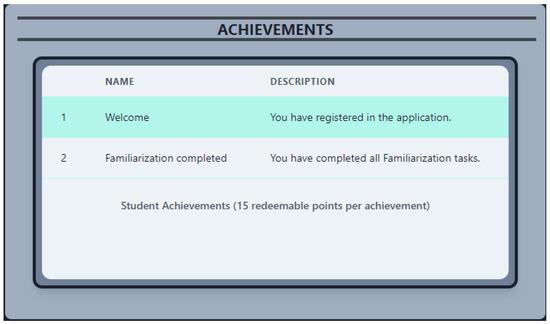
- Monitor leaderboards & Badges: Evaluate how learners progress compared to peers, providing insight into engagement and competitiveness.
3. Implement Pre- and Post-Assessments
- Baseline Assessments: Conduct initial quizzes or surveys to determine learners’ starting knowledge or skills.
- Post-Game Assessments: Re-administer assessments after gameplay to measure knowledge gains or skill improvements.
4. Data-Driven Performance Analytics
- Behavioral Analytics: Analyze click paths, decision points, and in-game choices to understand learner behavior at a granular level.
- Adaptive Feedback: Provide real-time, personalized feedback based on data to help learners improve.
5. Qualitative Feedback and Reflection
- Surveys and Interviews: Collect learner feedback about thier gamification experiences, motivations, and perceived challenges.
- Reflection Journals: Encourage learners to document their journey,which can provide deep insights into what they’re truly learning.
6. Competency-Based Assessments
- skill Mastery Checkpoints: integrate key checkpoints within games where learners must demonstrate mastery before progressing.
- Project-based Tasks: Assign real-world or simulated projects that allow learners to apply game-acquired skills.
Benefits of Assessing learning Outcomes in Gamified Contexts
- Increased engagement: Learners are more motivated when progress and achievement are visible.
- Personalized Learning: Data enables tailored content and adaptive challenges that fit individual needs.
- Continuous Improvement: instant feedback and analytics empower both educators and learners to adjust strategies in real-time.
- Enhanced Retention: Gamification coupled with assessment reinforces learning through repetition and reward.
- Exhibition of ROI: Concrete assessment metrics justify technology investments to stakeholders.
Practical Tips for Effective Assessment in Gamified Learning
- Integrate Assessments Seamlessly: Embed quizzes, checkpoints, and feedback directly within the flow of the game to maintain immersion.
- Leverage Technology: Choose platforms offering customizable analytics and robust reporting.
- Balance Competition and Collaboration: Create mechanisms for both individual achievement and teamwork to encourage broader participation.
- Iterate and Improve: Continuously analyze assessment data to refine both the game design and learning strategies.
- Focus on Mastery, not Just Scores: encourage learners to understand underlying concepts, not just chase points.
Case studies: Success Stories in Assessing Gamified Learning
K-12 Education
In a district-wide roll-out of a gamified math platform,educators used pre- and post-assessment results to identify a 23% average improvement in problem-solving skills over a semester. built-in analytics helped teachers quickly identify students needing extra support, while students reported higher motivation and confidence.
Corporate Training
A global tech company introduced a gamified cybersecurity training module. Completion rates jumped from 54% to 92% after leaderboards and micro-badges were implemented. Post-training simulations demonstrated a 40% decrease in risky user behaviors, as tracked through digital performance assessments.
First-hand Experience: Educator Insights
“I started using a gamified language learning app in my classroom, integrating level-based quizzes and feedback at every stage. Students became more driven, supporting each other in collaborative quests. By continually tracking their progress with built-in analytics, I was able to tailor lessons to their evolving needs, which noticeably improved both their engagement and retention.”
— Maria Lopez, High School Language Teacher
Conclusion: The Future of Learning and Assessment
Assessing learning outcomes in gamified environments ensures that the power of engagement is matched with educational impact.By combining clear objectives, actionable analytics, and qualitative feedback, educators and organizations can create truly effective and dynamic learning experiences. Start with these proven strategies, continuously refine your approach, and watch both learner motivation and outcomes soar.
Whether you are an educator, instructional designer, or HR trainer, investing time in measuring gamified learning success will not only enhance your program’s effectiveness but also provide the data-driven insights needed for future growth.
Ready to transform your learning surroundings? Start assessing—and celebrating—success today!