
Assessing the Impact: How Effective Are VR and AR Technologies in Modern Education?
In recent years,Virtual Reality (VR) and Augmented Reality (AR) have transformed from futuristic concepts to practical tools reshaping modern education. As schools, colleges, and universities seek innovative ways to engage learners, VR and AR technologies are increasingly being integrated into curricula. But just how effective are these immersive experiences in enhancing educational outcomes? In this article, we’ll assess the real impact of VR and AR in education, highlight their benefits and challenges, and provide actionable insights for students, educators, and institutions.
Understanding VR and AR Technologies in Education
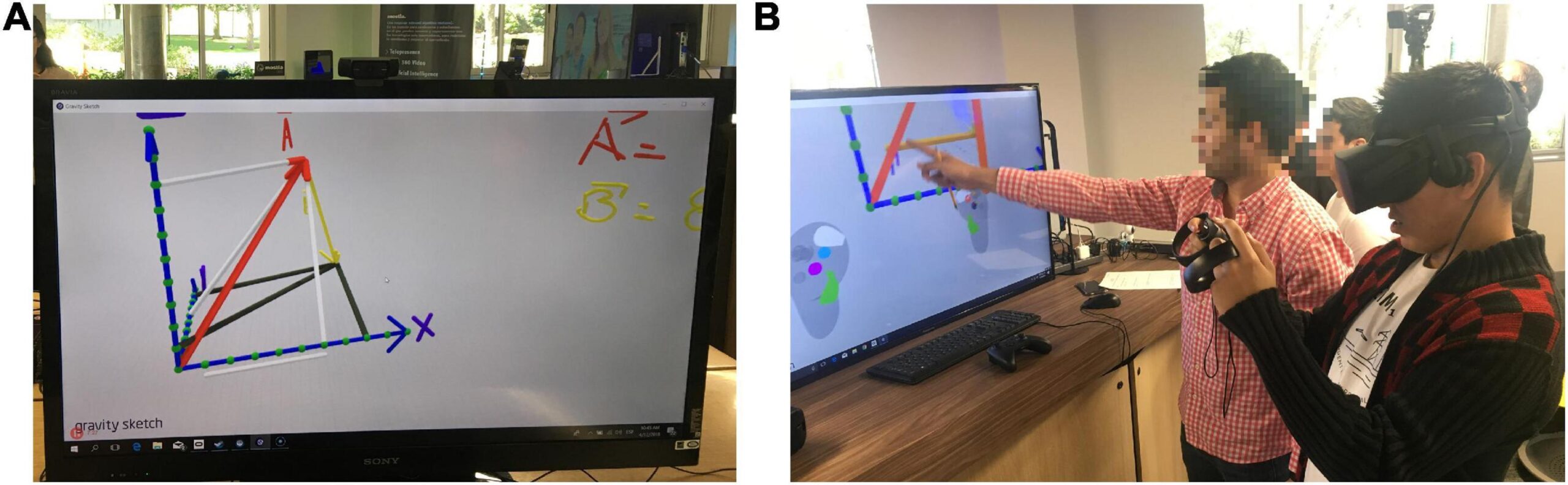
Virtual Reality (VR) immerses users in a wholly digital environment, often utilizing headsets and motion controllers. In contrast, Augmented Reality (AR) overlays digital information—like images, animations, or data—on the real world, typically via smartphones or AR glasses.
- VR in Education: Creates simulated worlds for interactive learning, such as virtual science labs, history excursions, or 3D modeling lessons.
- AR in Education: Enhances textbooks, classroom objects, and real-world scenarios with interactive digital content, supporting on-the-spot learning.
By leveraging these technologies, educators are transforming customary, passive learning into highly engaging and interactive experiences.
Key Benefits of VR and AR Technologies in Modern Education
1. Improved engagement and Motivation
- Immersive experiences capture students’ attention far more effectively than textbooks or lectures.
-
Learning becomes enjoyable, frequently enough perceived as play-like, which can boost motivation and retention.
2. Enhanced Retention and Understanding
-
Studies suggest that students remember up to 80% more of material learned via VR/AR compared to traditional methods.
-
Complex subjects,such as anatomy or engineering,become easier to grasp when students can interact with 3D models.
3. Safe, Risk-Free environments
-
VR simulations allow for practical exercises—such as chemistry experiments or safety training—without real-world risks.
4.Personalized Learning Experiences
-
Adaptive AR/VR software tailors content pace and difficulty to each student’s abilities.
5. Accessible and inclusive Learning
-
VR/AR can break down barriers for students with disabilities, providing alternative ways to explore and interact with material.
Case Studies: Real-World Applications of VR & AR in Education
To truly assess the impact of AR and VR in education, let’s examine how institutions around the world are leveraging these technologies:
Stanford University’s Virtual Human Interaction lab
Stanford’s lab uses VR to teach psychology and sociology by immersing students in simulations addressing racial bias and empathy. Evaluations indicate a significant betterment in outlook-taking and understanding of complex social issues.
ZSpace STEM Labs in K-12 Schools
Many US schools now use zSpace’s AR-enabled STEM labs, allowing students to manipulate 3D models of molecules, anatomy, or physics experiments.Teachers report higher engagement and test scores among students utilizing these tools compared to control groups.
Cleveland Clinic Lerner College of Medicine
Medical students at the Cleveland Clinic use VR for anatomy and surgical training, drastically reducing the learning curve and opening possibilities for remote, safe practice.
Google Expeditions
With Google Expeditions, millions of students have taken virtual reality field trips to landmarks, the ocean, or even outer space—expanding worldview and interest in global issues.
Challenges and Limitations of Implementing VR & AR in the Classroom
1. High Costs and Infrastructure Needs
-
Quality VR headsets, AR devices, and supporting software require substantial initial investment.
-
Schools may also require upgraded WiFi networks and technical support.
2. Teacher training and Curriculum Integration
-
Educators need ongoing training and resources to effectively embed VR/AR in curricula.
-
Effective lesson planning requires careful integration, not just add-on experiences.
3. Limited Content Availability
-
While content libraries are growing, subject-specific and localized resources are still limited for some languages or regions.
4. Potential for Distraction or Overstimulation
-
Without structured guidance, students may become distracted or overstimulated by the immersive nature of VR/AR.
Practical Tips for Effective Integration of VR and AR in Education
- Start Small: Begin with affordable AR mobile apps or simple VR viewers (like Google Cardboard) to test engagement and adoption.
- Provide Teacher Training: Invest in professional development programs to train educators on both the technology and best pedagogical practices.
- Align Content with Learning Objectives: Ensure every VR/AR activity directly supports key curriculum outcomes.
- Monitor and Assess Impact: Use regular feedback loops and assessment data to continually refine how VR/AR is used in the classroom.
- Encourage Collaboration: Choose experiences that foster teamwork,communication,and critical thinking.
- Embrace Inclusivity: Select platforms and activities accessible to all learners, including those with diverse needs.
First-Hand Experiences: What Educators and Students Say
“After introducing VR labs in my high school biology class, I noticed a remarkable increase in student engagement and curiosity. My students, who previously struggled with anatomy, could now ‘walk through’ a human heart—and their test scores reflected this new level of understanding.”
– Laura martinez,Secondary Science Teacher
“Using AR flashcards made learning English vocabulary feel less like a chore. When a dinosaur jumped off my textbook, it was easier to remember the word. It made studying fun and memorable.”
- Jake, 5th Grade Student
Conclusion: The Future of VR and AR in modern Education
Assessing the impact of VR and AR technologies in modern education reveals undeniable benefits: deeper engagement, stronger retention, and increased accessibility. While there are practical challenges surrounding cost, training, and infrastructure, the potential for transforming learning environments is clear.As technology becomes more affordable and content libraries expand, VR and AR are poised to become integral to education’s digital transformation.
VR and AR technologies are not mere gimmicks—they are effective, adaptable tools that, when thoughtfully implemented, can revolutionize the way teachers teach and students learn. For educators and institutions willing to invest in careful planning and support, the future of immersive, experiential learning is brighter than ever.