
assessing the Impact: How Effective Is VR/AR Technology in Modern Education?
In the last decade,the integration of Virtual reality (VR) and Augmented Reality (AR) technology into classrooms has redefined the boundaries of modern education.These immersive technologies promise to transform learning into an engaging, interactive, and practical experience.But how effective are VR and AR in education settings? are these investments yielding measurable improvements in learning outcomes, student engagement, and knowledge retention?
What is VR/AR Technology in Education?
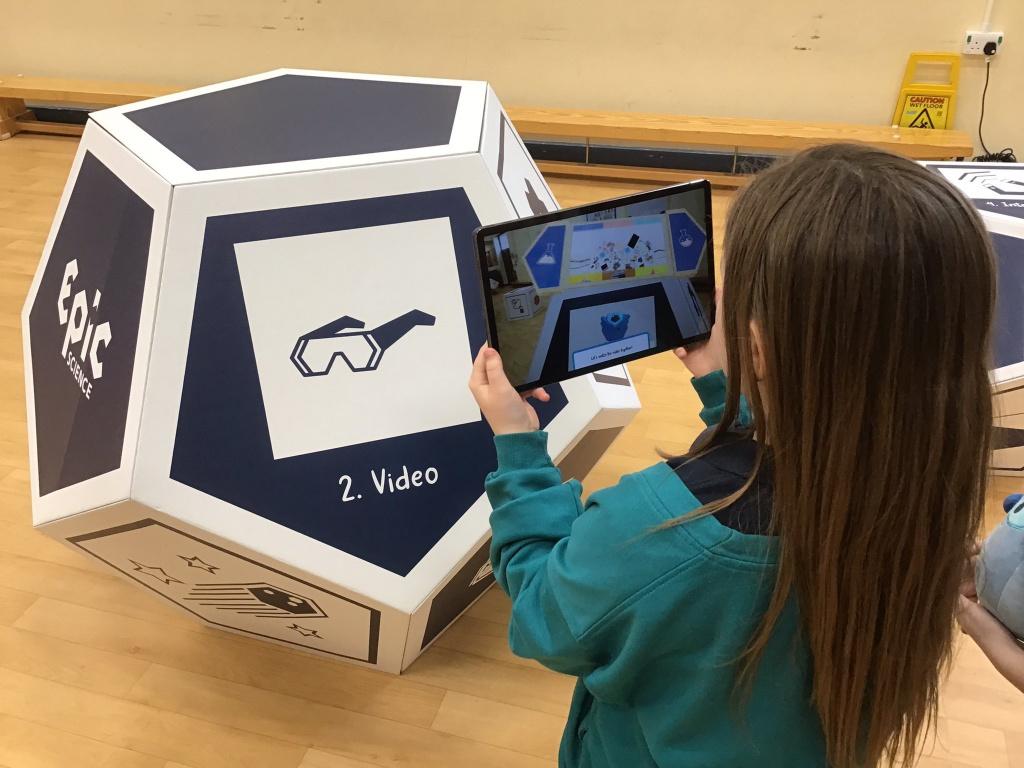
Virtual Reality (VR) creates a fully immersive, computer-generated surroundings that transports learners away from reality, allowing them to interact with 3D models, simulations, and virtual worlds. Augmented Reality (AR), on the other hand, overlays digital details—such as images, animations, or text—onto the real world, enhancing what students see and experience in real time. Both technologies offer new pathways for interactive, experiential learning.
How VR/AR Technology Enhances modern education
- Immersive Experiences: Students can explore ancient civilizations, dissect virtual organisms, or walk through complex machinery, boosting understanding of arduous concepts.
- Increased Engagement: interactive lessons with VR/AR keep students motivated,attentive,and invested in topics.
- Safe Simulation Environments: Risk-free environments for science experiments, medical procedures, or engineering prototypes, allowing repeated practise without danger.
- Accessibility: Makes abstract, distant, or hazardous environments (like outer space, the deep sea, or inside the human heart) accessible to all learners.
- Supports Various Learning Styles: Visual, auditory, and kinesthetic learners benefit from dynamic, hands-on experiences tailored to their preferences.
Key Benefits of VR/AR in the Classroom
- Improved Knowledge Retention: Studies show students remember up to 90% of material after immersive VR experiences, compared with 30% with traditional methods.
- Greater Collaboration: Multi-user VR environments foster teamwork and peer-to-peer learning.
- Personalization: Lessons adapt to individual pace and level, offering feedback and option approaches.
- Enhanced understanding of Complex Subjects: Topics like molecular biology, complex mathematics, and engineering concepts are simplified through visualization.
- Cultural Exposure: Virtual field trips and simulations expose students to diverse cultures, global landmarks, and historical events.
Real-World Case Studies: VR/AR Technology in Action
- Stanford University: The Virtual Human Interaction Lab at Stanford leverages VR to teach social psychology, empathy, and environmental science, with proven increases in student engagement and empathy levels.
- Case Western Reserve University: the partnership with Microsoft HoloLens brings AR into medical classrooms, enabling students to study human anatomy through life-sized, interactive holograms.
- Zspace in K-12 Schools: Hundreds of schools worldwide use Zspace’s AR/VR lessons for biology dissections and physics experiments, reporting higher test scores and deeper conceptual understanding.
- Google Expeditions: Virtual field trips enabled millions of students to visit world heritage sites, Mars, and the Great Barrier Reef—without leaving the classroom—demonstrating tangible improvements in curiosity and lesson interest.
Quantitative and Qualitative Impact on Learning
Multiple research studies highlight these outcomes:
- Higher Test Scores: Students using VR/AR score 20-30% higher in science and math assessments compared to peers using only textbooks.
- Improved Engagement: VR/AR lessons result in up to 50% higher classroom participation rates.
- Greater empathy and Social Learning: Social VR environments help students better understand others’ perspectives, positively impacting classroom dynamics.
- Decreased Dropout Rates: Schools implementing immersive technology report a reduction in absenteeism and dropout rates among at-risk students.
Challenges in Implementing VR and AR in Education
- Cost: VR/AR hardware and content can be prohibitively expensive for some institutions,though prices are dropping as technology becomes mainstream.
- Teacher Training: educators require adequate training to effectively integrate and facilitate VR/AR-based lessons.
- Content Availability: While content libraries are growing, limited subject-specific resources in some areas remain an issue.
- Accessibility Concerns: Not all students have the same physical or cognitive abilities to use immersive technology comfortably.
- Distraction Risks: Some students may lose focus if VR/AR elements are not closely aligned with learning objectives.
Practical Tips for integrating VR/AR Technology Effectively
- Start Small: Begin with pilot projects or single-subject modules to assess effectiveness before scaling up.
- Choose Age-Appropriate content: Select VR/AR experiences tailored to students’ developmental levels and learning objectives.
- Blend with Traditional methods: Use VR/AR as a supplement to—not a replacement for—proven instructional strategies.
- Ensure Inclusivity: Consider accessibility features and provide alternative access for students with special needs.
- Ongoing Professional Progress: Invest in comprehensive teacher training and support communities for best practice sharing.
First-Hand Experiences: What Teachers and Students Say
“Our students are more interested in science than ever before. The chance to ‘walk inside’ a plant cell made the lesson unforgettable.”
— Ms. Carter, Middle School Science Teacher
“I finaly understood how fractions work by stacking blocks with AR on my iPad. It’s like building math!”
— Ethan, 4th Grade Student
Future Trends in VR/AR-Driven Education
the future of immersive educational technology looks bright.As VR/AR devices become more affordable and content libraries expand, integration will be easier for all educational institutions. Artificial intelligence, haptic feedback, and cloud connectivity promise to make learning even more personalized, interactive, and accessible. The proliferation of 5G networks will further streamline real-time, multi-user experiences in any setting.
Conclusion: The effectiveness of VR/AR Technology in Modern Education
In summary, VR/AR technology is proving to be a game-changer in modern education. Whether it’s higher retention rates, improved engagement, or deeper conceptual understanding, the impact of VR/AR in education is overwhelmingly positive. While challenges in cost,access,and teacher training remain,ongoing advancements are rapidly closing the gap. Early adopters in higher education and K-12 environments already report critically important benefits, pointing toward a future where immersive technology is a staple of everyday learning.
If you’re an educator, administrator, or parent, now is the perfect time to explore how VR/AR technology can enrich the learning experiences of the next generation. As research and practical applications continue to evolve, immersive education stands poised at the forefront of a powerful revolution in teaching and learning.
Frequently Asked Questions
- Is VR/AR technology safe for students? When used responsibly with age-appropriate settings, VR/AR is generally considered safe. It’s essential to monitor screen time and ensure proper device hygiene.
- How can schools get started with VR/AR? Begin with a needs assessment, involve stakeholders, start small with pilot programs, and choose user-pleasant devices and content.
- What subjects benefit most from immersive technology? Science, mathematics, history, languages, and vocational training currently see the greatest impact from VR/AR lessons.
- Is VR/AR affordable for all schools? While initial costs may be high, many vendors offer educational discounts, grants, and scalable solutions to fit varying budgets.