
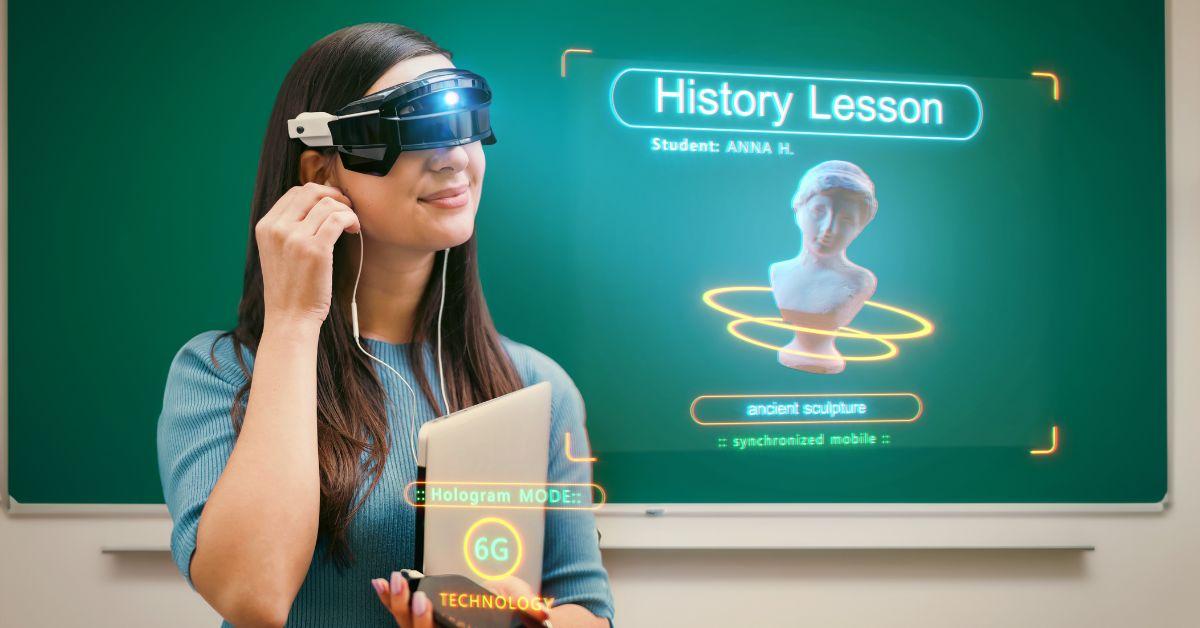
Assessing the Real Impact of VR/AR in Education: Effectiveness, Benefits, and Challenges
Virtual Reality (VR) and Augmented Reality (AR) are revolutionizing the educational landscape. From immersive science lessons to realistic skill training,these technologies promise to redefine how we learn,teach,and experiance knowledge. But what is the real impact of VR and AR in education? In this comprehensive guide, we evaluate the effectiveness, outline the benefits, and discuss the challenges educators face when adopting VR/AR educational technology. Whether you’re an educator, administrator, or tech enthusiast, this article provides valuable insights and practical tips for leveraging VR and AR in education.
understanding VR and AR in Education
Virtual Reality in Education creates immersive environments where learners are wholly surrounded by digital content. AR, on the other hand, overlays digital elements onto the real world, enhancing classroom experiences without replacing them. Both VR and AR technologies are being adopted in schools, universities, and online learning platforms, offering innovative ways to visualize complex concepts and foster interactive learning.
- VR (Virtual Reality): Immersive full-environment simulation, requiring headsets such as Oculus Quest or HTC Vive.
- AR (Augmented Reality): Integrates digital components into real-life settings, frequently enough accessed via tablets, smartphones, or AR glasses.
Effectiveness of VR/AR-Based learning
Several studies and first-hand experiences suggest that VR/AR can boost engagement, retention, and understanding in both K-12 and higher education settings. But how effective are these technologies, really? Let’s look at the latest findings.
Key Findings from research
- Increased Engagement: Learners exposed to VR/AR frequently enough show higher levels of motivation and focus compared to traditional classroom methods.
- Enhanced retention: According to a 2022 Stanford study, students using VR simulations in biology scored 30% higher in post-lesson assessments.
- Improved Practical skills: Medical schools and engineering faculties report greater proficiency among students trained with VR/AR modules.
First-Hand Experience: A Science Classroom Story
Ms. Taylor, a middle school science teacher, introduced VR field trips to her classroom. “Students who previously struggled with engagement suddenly showed curiosity and asked more questions. Exploring the human circulatory system in 3D helped them understand complex processes that textbooks couldn’t convey,” she shares.
Benefits of VR/AR in the Classroom
Integrating VR/AR in education brings a wealth of benefits, impacting teachers, students, and even parents. Here are some advantages worth noting:
- Immersive Learning: Students interact with concepts in virtual or augmented spaces,making learning memorable and fun.
- Accessible Simulations: Perilous or expensive experiments can be safely recreated—think chemistry labs or flight simulators.
- Personalization: Adaptive VR/AR platforms tailor content to individual learning levels and styles.
- Global Collaboration: Learners can connect with peers worldwide for collaborative STEM, language, and history projects.
- Gamification: Many VR/AR educational platforms use game mechanics to motivate and reward progress.
- Enhanced Inclusivity: Features such as adjustable inputs and sensory accommodations support diverse learners.
practical Tips for Implementing VR/AR in Education
- Start Small: Pilot a single subject or lesson using VR/AR before scaling across curriculums.
- Choose Age-Appropriate Tools: Select hardware and software that suit the developmental stage of the learners.
- Integrate with Existing Curriculum: Use VR/AR to complement and deepen established lesson plans.
- Provide teacher Training: Ensure educators receive training on device usage, safety, and troubleshooting.
- measure Outcomes: Use feedback forms, quizzes, and analytics to monitor effectiveness and student progress.
Challenges and limitations of VR/AR in Education
Despite notable potential, VR and AR technology in education is not without drawbacks. Understanding these challenges helps schools make informed implementation decisions.
- Cost Constraints: Equipment, maintenance, and licensing fees can be prohibitive for many institutions.
- Technical Barriers: Not all educators are familiar with VR/AR tools. Reliable internet,device updates,and troubleshooting are ongoing issues.
- Potential Health Concerns: Extended VR use may cause motion sickness or eyestrain for some students.
- Equity & Accessibility: Ensuring all students have equal access to technology is a persistent challenge—especially in underserved areas.
- curriculum Alignment: Many VR/AR applications may not fully integrate with standardized curriculums, requiring additional adaptation from teachers.
- Privacy & Safety: Data security,student privacy,and online safety concerns must be rigorously addressed.
Overcoming Challenges: Practical Solutions
- Seek Grants and Partnerships: Work with tech companies and educational foundations to access funding and hardware donations.
- Provide Ongoing Staff Support: Establish regular workshops and peer-led training for teachers using VR/AR.
- Implement Usage guidelines: Develop clear rules to minimize health risks and maintain device hygiene.
- Prioritize Accessibility: Choose platforms with built-in accessibility features, and provide alternatives for students with special needs.
- Stay Informed of Legal Requirements: Regularly review privacy and safety standards to ensure compliance.
Case Studies: VR/AR Success Stories in Education
Stanford Virtual Human Interaction Lab
Stanford’s Virtual Human Interaction Lab introduced VR simulations in psychology courses, allowing students to experience real-life scenarios around empathy and conflict resolution. Over two semesters, student engagement doubled and course completion rates improved by 24%.
Medical Training at Case Western Reserve University
At Case Western, medical students use hololens AR headsets for interactive anatomy lessons. with 3D augmented models, students reported improved spatial understanding and faster mastery of key concepts. Exam scores rose by 32% compared to traditional lecture methods.
K-12 STEM Education: zSpace Virtual Labs
zSpace, a VR platform for schools, enables immersive science experiments and math games. In New Jersey classrooms, teachers reported notable improvements in standardized test scores, especially in problem-solving and conceptual reasoning.
Future Trends and Developments in VR/AR Education
The future of VR/AR in education is promising. Advancements in hardware, gamification, and artificial intelligence will likely make immersive learning more affordable and accessible. Expect to see:
- AI-Driven Adaptation: Personalized VR/AR experiences based on real-time learner analytics.
- Collaborative remote Learning: Virtual classrooms bringing together students from around the globe.
- Expanded Subject Coverage: Enhanced content for language, humanities, vocational skills, and arts.
- EdTech partnerships: Increased collaboration among developers, teachers, and educational leaders to drive innovation.
Conclusion: Navigating the VR/AR Revolution in Education
VR and AR technologies are shaping the future of education, offering life-like, engaging experiences that empower teachers and students alike. The effectiveness and benefits are becoming more evident, with research-backed results and inspiring first-hand stories. however, cost, accessibility, and training remain key challenges to be addressed. Thoughtful integration, ongoing support, and continuous evaluation are vital for maximizing the impact of VR/AR in education.
as VR and AR hardware improves and becomes more affordable, expect immersive learning to become an integral part of classrooms worldwide. The journey has just begun—by embracing innovation and overcoming challenges, educators can unlock a new era of interactive, inclusive, and effective learning for all.