
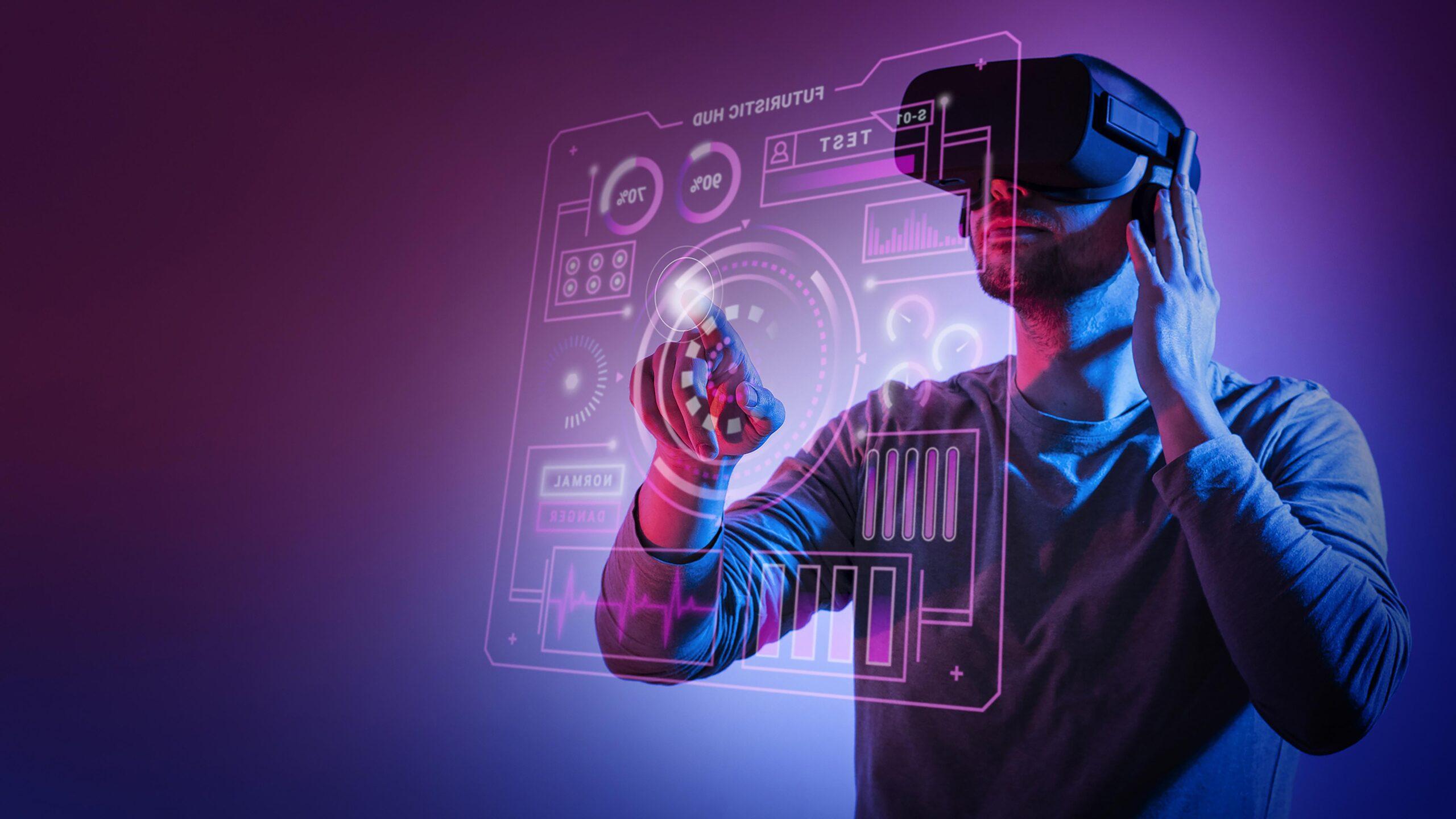
Assessing VR/AR in Education: How Effective Are Virtual and Augmented Reality for Learning?
Virtual Reality (VR) and Augmented Reality (AR) are revolutionizing education, offering immersive experiences that can boost engagement, understanding, and retention. As schools, colleges, and universities adopt these cutting-edge technologies, the question arises: How effective are VR and AR for learning? In this thorough article, we’ll explore the impact of VR/AR on education, discuss their benefits and challenges, share practical implementation tips, and examine real-world examples to help educators and institutions make informed decisions about integrating these technologies into their curriculum.
Understanding VR/AR in Education
Before diving into their effectiveness, let’s clarify what VR and AR entail:
- Virtual Reality (VR): Immersive, computer-generated environments that replicate real or imaginary worlds. Learners use headsets (like Oculus Quest or HTC Vive) to interact and explore in 360 degrees.
- Augmented Reality (AR): Enhances real-world surroundings by overlaying digital details (images, sounds, text) via mobile devices or AR glasses. Examples include Google Lens and AR apps like Merge Cube.
VR/AR in education is gaining momentum, with applications spanning STEM subjects, language learning, medical training, arts, and even vocational studies. But how well do these technologies support meaningful learning outcomes?
Benefits of Virtual and Augmented reality in Learning
Integrating VR/AR into the classroom presents multiple advantages. Here are key benefits supported by educational research and real-world trials:
- Enhanced Engagement: Interactive simulations captivate student interest,turning passive learning into active exploration.
- Experiential Learning: Learners “live” experiences — performing science experiments, exploring historic events, or walking through virtual museums — leading to deeper understanding.
- Improved Retention & Recall: Studies show that immersive VR/AR environments can increase knowledge retention rates compared to traditional methods.
- Personalized Learning: Adaptive VR/AR solutions cater content to individual learning styles, allowing self-paced exploration.
- Safe practice: Medical students can perform simulated surgeries; engineering students can operate virtual machinery — all without risk.
- Global Accessibility: Connects learners worldwide, enabling virtual field trips and collaboration regardless of location.
How Effective Are VR and AR for Learning?
The effectiveness of VR/AR in education largely depends on thoughtful integration, instructional design, and the targeted learning outcomes. Here’s a breakdown of what research and educators have discovered:
1. Improved Conceptual Understanding
Complex subjects become clearer with VR/AR. Such as, abstract physics concepts are easier to grasp when visualized in 3D. Anatomy lessons using VR allow students to interact with digital models, leading to superior spatial understanding.
2. Increased Motivation and Participation
Students report higher motivation and willingness to participate in VR/AR lessons over conventional lectures. Gamified elements in VR experiences further enhance engagement,making learning fun and memorable.
3. Inclusion and Differentiation
VR/AR tools can cater to diverse learning needs,including students with disabilities. Customizable content and alternate reality scenarios enable differentiated instruction, promoting equity in access to education.
4. Collaboration and social Learning
Multi-user VR environments foster teamwork, communication, and problem-solving skills. AR apps can enable group tasks, such as collaborative art projects or guided lab activities, enhancing peer learning.
Limitations and Challenges
- Cost and Accessibility: Hardware and software investments can be prohibitive for some schools.
- Technical Barriers: Network connectivity and device compatibility issues may arise.
- Instructional Readiness: Teachers need training and curriculum adaptation for effective VR/AR implementation.
- Potential Health concerns: overuse of headsets may cause fatigue,nausea,or eye strain in some learners.
Case Studies: VR/AR Transforming Education
Let’s look at some real-world examples where VR and AR have made a tangible impact:
Stanford University’s Virtual Human Interaction Lab
Stanford’s lab uses VR for empathy-building exercises, letting students experience different perspectives, such as walking in someone else’s shoes (literally). Research shows that such experiences can foster empathy and emotional intelligence in participants.
Medical Training with Oxford Medical Simulation
Medical students across the UK and the world simulate emergency scenarios using VR, improving decision-making and technical skills in a risk-free environment. Studies report increased confidence and retention compared to standard training.
AR for STEM at albuquerque Public Schools
This school district uses AR apps to visualize chemical structures and biological processes, making science lessons engaging and interactive. Surveys indicate a significant uptick in student interest and performance.
language Learning with Mondly VR
Students practice real-life conversations in foreign languages using immersive VR scenarios, dramatically improving fluency and pronunciation. Feedback from learners highlights how these virtual environments reduce anxiety and encourage active participation.
Frist-hand Experiences: Educators Speak Out
We asked educators who have implemented VR/AR in their classrooms:
“Our history students walked through ancient Rome in VR. Not only did engagement soar, but test scores improved by 25%.”
– Jennifer K., High School History Teacher
“AR turned my biology lessons into a hands-on experience. Students could ‘hold’ heart models in their hands using tablets, dramatically improving spatial understanding.”
– Mike S., Middle School Science Teacher
Practical Tips for Implementing VR/AR in Education
if you’re considering VR/AR, keep these tips in mind:
- Start Small: Pilot with a single lesson or subject area to gauge effectiveness and student response.
- Invest in Training: Provide professional advancement for educators to maximize instructional potential.
- Monitor and Adapt: Gather feedback, assess learning outcomes, and iterate on your approach.
- Focus on Curriculum Alignment: Choose VR/AR activities that support your learning objectives and standards.
- Ensure Accessibility: Select tools and platforms that accommodate all learners, including those with disabilities.
- Promote Safe Use: Encourage responsible time management and appropriate usage to mitigate health concerns.
SEO Best Practices: Optimizing for Search Visibility
When integrating VR/AR-related content, use primary and secondary keywords naturally throughout your site. Consider these focus phrases and their relevance:
- VR in education
- AR for learning
- Virtual reality classroom
- augmented reality teaching tools
- Effectiveness of VR/AR
- Immersive technology in schools
Use semantic variations and related terms, such as “interactive STEM education,” “digital learning environments,” and ”immersive educational experiences.” Internal linking to relevant articles and providing resources for further reading can also boost SEO.
Future Trends: Where Is VR/AR in Education Headed?
As technology advances,experts predict further growth in VR/AR adoption. Potential trends include:
- AI-driven adaptive VR learning modules that personalize instruction in real time
- Greater accessibility as hardware becomes more affordable and platforms more user-kind
- Expansion of mixed reality classrooms blending physical and digital spaces seamlessly
- Integration with learning management systems (LMS) for automated tracking and assessment
- Collaborative global classrooms where students from different cultures learn together in shared virtual environments
conclusion: Unlocking the Power of VR/AR for Effective Learning
so, how effective are VR and AR for learning? Recent research, educator testimony, and student feedback all point to significant benefits: enhanced engagement, increased retention, greater accessibility, and new possibilities for experiential learning.while challenges—such as cost and teacher training—exist, strategic implementation of VR/AR can transform education in powerful ways.
If you’re an educator, school leader, or policy maker, now is the time to assess VR/AR in education for your students. Start with small pilots, invest in professional development, and remain attuned to emerging trends. With thoughtful planning, virtual and augmented reality can unlock richer, more inclusive, and more effective learning experiences for all.