
Assessment Analyst: Key Responsibilities, required Skills, and Career Paths Explained
Are you passionate about education technology and interested in making a real impact at universities, colleges, or schools? If you’re considering a career as an Assessment Analyst, you’re entering a dynamic field that blends data analysis, educational research, and impactful decision-making.This guide explores what Assessment Analysts do in educational settings, the key skills needed, required qualifications, benefits of the role, practical tips for landing your first job, and potential career paths. Whether you’re a recent graduate or a professional seeking a career pivot, this comprehensive article is your go-to resource for understanding the Assessment Analyst role in EdTech.
What is an Assessment Analyst in Education Technology?
assessment analysts are critical to the transformative world of education technology in universities, colleges, and schools. They collect,analyze,and interpret a wide array of assessment data to support educational goals and improve student learning outcomes. Using advanced analytical tools and methodologies, they convert raw data into actionable insights, directly influencing curriculum advancement, teaching strategies, and institutional effectiveness.
what Makes the Role unique?
- Impact: Assessment Analysts drive data-informed decisions that enhance academic programs and student success.
- Interdisciplinarity: The role bridges education, technology, and data science.
- Continuous Learning: The fast-evolving EdTech field offers opportunities to constantly learn and adapt new technologies.
Key Responsibilities of an Assessment Analyst
The responsibilities of an assessment Analyst may vary by institution,but several core functions remain consistent across universities,colleges,and schools. Here’s what the job typically entails:
- Designing and Implementing Assessment Tools: Creating and refining assessment instruments, such as surveys, tests, and evaluation rubrics, that accurately measure student learning and institutional effectiveness.
- Collecting and Managing Data: Gathering quantitative and qualitative data through various platforms, ensuring data integrity, security, and accessibility for analysis.
- Analyzing Assessment Results: Using statistical software and data visualization tools (like SPSS, Excel, Tableau) to analyze and interpret assessment results, identifying trends and important findings.
- Reporting and Communicating findings: Preparing comprehensive reports for academic leadership, faculty, and stakeholders, presenting data clearly and making actionable recommendations.
- Supporting institutional Accreditation and compliance: Assisting with accreditation processes by providing evidence of student learning and institutional improvements.
- Collaborating with faculty and Staff: Working closely with educators and administrators to align academic goals,assessment strategies,and learning outcomes.
- Training and Capacity Building: Offering workshops or sessions to faculty and staff on effective assessment techniques and data-driven decision-making.
- Leveraging Education Technology Platforms: Utilizing learning management systems (LMS), assessment software, and analytics platforms to streamline data collection and interpretation.
Essential Skills for Success as an Assessment Analyst
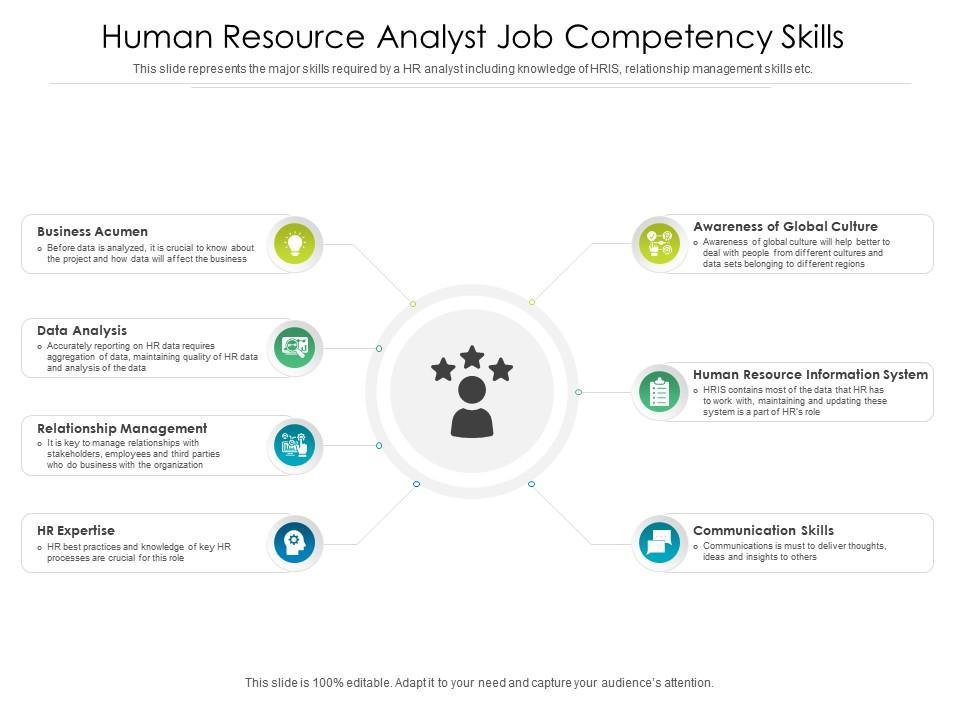
Excelling as an Assessment Analyst in education technology requires a blend of technical,analytical,and interpersonal skills. Here are the must-have skills employers value:
- Data Analysis: Advanced proficiency in statistical analysis, data modeling, and data interpretation using software such as Excel, R, Python, or SPSS.
- Assessment Design: In-depth knowledge of assessment methodologies, psychometrics, and evaluation techniques relevant to educational environments.
- Attention to Detail: High level of accuracy and thoroughness in managing and interpreting data.
- problem-Solving: Ability to identify patterns, diagnose issues, and recommend evidence-based solutions for academic programs.
- Communication: Clearly presenting data-driven findings and recommendations to both technical and non-technical audiences.
- Project Management: Efficiently managing multiple projects with overlapping deadlines, maintaining institution and prioritization.
- Technical Literacy: Familiarity with educational data systems, LMS platforms, survey tools, and database management.
- Collaborative Mindset: Working effectively with faculty, IT staff, and administrators to achieve institutional objectives.
- Ethical Conduct: Understanding of privacy laws, confidentiality, and data security frameworks in education.
Desired Qualifications and Experience
- Bachelor’s or Master’s degree in Education, Education Technology, Data Science, Psychology, Statistics, or related fields.
- Relevant certifications (e.g., assessment, data analytics, educational measurement) can be an asset.
- Experience with data analysis tools and educational technology platforms.
Assessment Analyst Career Pathways in Education Technology
One of the most attractive aspects of being an Assessment Analyst is the diverse range of career opportunities it offers. Whether starting in a school district or a leading university, the skills you develop can open doors to senior and specialized roles in education technology.
Entry-Level Roles
- Assessment Data Coordinator
- Institutional Research Assistant
- EdTech Support Specialist
Mid-Level Positions
- Assessment Analyst
- Institutional effectiveness Analyst
- Learning Analytics Specialist
Advanced and Leadership Roles
- Director of Assessment & Accreditation
- Director of Institutional Research
- Chief Data Officer in education
Additionally, many Assessment Analysts find opportunities in EdTech companies, government education agencies, and educational consultancies.
Benefits of Working as an Assessment Analyst in Education Technology
Embarking on a career as an Assessment Analyst offers a blend of professional fulfillment, stability, and continuous growth. Here are some key benefits:
- High Demand: education technology is a growing sector, with institutions seeking data-savvy professionals for program assessment and betterment.
- meaningful Impact: Your work shapes academic policies, enhances student experiences, and contributes to institutional excellence.
- Professional Development: Regular exposure to new tools, methodologies, and research fosters ongoing learning and skill development.
- Career Mobility: transferable skills in data analysis and educational assessment allow movement across universities, colleges, schools, and even the corporate EdTech sector.
- Collaborative Environment: Opportunities to work with passionate educators, administrators, and technology experts.
Practical Tips for Aspiring Assessment Analysts
Ready to start or grow your career as an Assessment Analyst in education technology? Here are some actionable tips to help you stand out:
- Gain relevant Experience: Seek internships, volunteer positions, or project work in educational assessment, data analysis, or EdTech.
- Develop Technical Proficiency: Enhance your skills in data analysis tools (Excel, R, Python, SPSS), and familiarize yourself with learning management systems.
- Build a Professional Network: join education technology organizations, attend industry webinars, and connect with experienced professionals on social platforms.
- Showcase Your Skills: Create an e-portfolio or website highlighting your assessment projects, data reports, and educational analytics experience.
- Stay Informed: Keep up with the latest trends in educational assessment, data privacy regulations, and EdTech tools to remain competitive.
- Customize Your Resume: Highlight your analytical expertise, attention to detail, and experience with educational data platforms in your job applications.
- practice Communication: Hone your ability to present data findings clearly and effectively to educators, administrators, and non-technical audiences.
Conclusion
The Assessment Analyst role is an exciting, high-impact foundation for a rewarding career in education technology at universities, colleges, and schools. By combining expertise in data analysis, assessment design, and educational research, Assessment Analysts ensure that academic institutions stay responsive and effective. With ample opportunities for growth, skill development, and meaningful contribution to student success, this is an ideal role for analytical thinkers who are passionate about shaping the future of education. If you’re ready to make your mark in EdTech, the journey starts here—embrace the challenge and build the skills that truly make a difference.