
Assessment Analyst: Key Roles, Skills, and Career Growth Opportunities in education Technology
are you passionate about leveraging data and technology to improve student outcomes in universities, colleges, or schools? The role of an assessment Analyst might be an ideal fit for you. As educational institutions increasingly embrace digital tools to assess and enhance learning, assessment analysts are becoming pivotal figures in shaping the future of education technology. This comprehensive guide explores what an assessment analyst does, the essential skills required, the benefits of this in-demand career, and practical advice for aspiring professionals.
What Is an Assessment Analyst?
An Assessment Analyst in education technology is a specialist responsible for collecting, analyzing, and interpreting student assessment data. By using cutting-edge tools, these professionals provide actionable insights that inform teaching strategies, curriculum development, and institutional decision-making. Assessment analysts work within universities, colleges, and schools to implement and evaluate assessment systems, ensuring both academic integrity and continuous improvement.
Key Roles and responsibilities of an Assessment Analyst
Assessment analysts play a multifaceted role within educational organizations. Here are the most common job duties:
- data Collection and Management: Gathering assessment data from digital platforms, classroom tests, and standardized exams.
- Statistical Analysis: Utilizing advanced statistical methods and analytics software to interpret trends and patterns in student performance.
- Reporting & Visualization: Creating clear, concise reports and dashboards to communicate findings to educators and administrators.
- Assessment Design: Assisting in the design and implementation of formative and summative assessments tailored for specific courses or programs.
- Quality Assurance: Ensuring accuracy, validity, and reliability in assessment data and processes.
- Compliance & Accreditation: Supporting compliance with educational standards and accreditation requirements by providing robust assessment data.
- collaboration: Working with faculty, IT teams, and academic leaders to align assessment strategies with institutional objectives.
- Continuous Improvement: Recommending enhancements to assessment tools and methodologies to foster ongoing educational excellence.
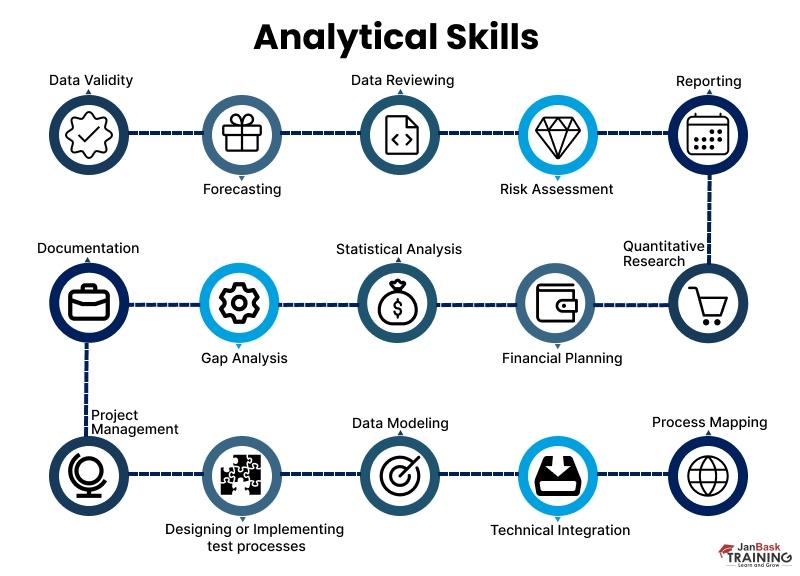
Essential Skills for Assessment Analysts in Education Technology
Prosperous assessment analysts blend technical expertise with strong interpersonal skills. Aspiring professionals should focus on the following key competencies:
Technical Skills
- Data Analysis Tools: Proficiency in Excel, SPSS, R, Python, Tableau, or similar software for data analysis and visualization.
- Database Management: Experience with learning management systems (LMS) and education data platforms.
- Assessment Technology: Familiarity with computer-based testing, online survey tools, and automated assessment systems.
- Statistical Methods: Understanding of quantitative and qualitative analysis, including psychometrics and item analysis.
Analytical and Problem-Solving Abilities
- Critical Thinking: Capable of turning data into insightful recommendations that drive institutional strategy.
- Attention to Detail: Ensuring data accuracy and uncovering subtle trends in student achievement.
- Problem Solving: developing solutions for assessment challenges and adapting strategies to evolving educational needs.
Interaction and Collaboration
- Report Writing: Ability to translate technical findings into understandable reports for non-technical stakeholders.
- Presentation Skills: Delivering data-driven presentations to leadership and faculty.
- Teamwork: Collaborating with diverse stakeholders, including teachers, administrators, and IT professionals.
Career Path and Growth Opportunities
The field of education technology offers diverse career advancement prospects for aspiring assessment analysts. Here’s what your journey might look like:
Entry-Level Opportunities
- Assessment Coordinator
- Data Technician
- Junior Assessment Analyst
These roles typically involve supporting data collection, managing databases, and assisting with basic reporting tasks under the supervision of senior staff.
Mid-Level and Senior Roles
- senior Assessment Analyst
- Assessment Manager
- Assessment Designer
at this stage, professionals lead complex projects, design large-scale assessment systems, and mentor junior analysts. Management roles may include strategic responsibilities and direct collaboration with institutional leadership.
specialist and Leadership Positions
- Director of Assessment
- Data Science Lead (Education)
- Educational Research Manager
These advanced roles often require a blend of technical skills, management experience, and a deep understanding of education technology trends. Responsibilities include leading institutional assessment strategy and shaping policy at schools, colleges, or universities.
Benefits of Becoming an Assessment Analyst in Education Technology
Pursuing a career as an assessment analyst comes with a wide array of professional and personal benefits:
- high Demand: With the rise of digital education and data-driven decision-making,assessment analysts are sought after across all levels of education.
- Continuous Learning: The opportunity to work with evolving technologies and stay at the forefront of education innovation.
- Influence & Impact: directly shape teaching strategies and student success by providing crucial data insights.
- Diverse Career Paths: Opportunities to specialize in analytics, research, instructional design, or academic leadership.
- Professional Growth: access to advanced certifications,workshops,and networks in both education and technology sectors.
Tips for Getting Hired as an Assessment Analyst in Educational Institutions
Ready to launch your career as an assessment analyst in education technology? Here are practical tips to help you stand out in your job search:
1. Build Relevant Skill Sets
- Gain expertise in data analytics tools, such as Tableau, SPSS, and Excel.
- take courses in education statistics, instructional design, or educational measurement.
- Stay updated on the latest education technology trends and innovations.
2. Gain practical Experience
- Look for internships or volunteer roles in assessment or institutional research offices.
- Work on hands-on data analysis projects, either independently or as part of a team.
3. develop a Compelling Request
- Tailor your resume to highlight assessment, analytics, and technology skills.
- Include examples of successful assessment projects or research you’ve conducted.
- Obtain relevant certifications,such as data analytics or assessment design.
4. Network with Professionals
- Join education technology groups or communities focused on assessment analytics.
- Connect with assessment analysts and hiring managers on professional social networks.
5.Prepare for Interviews
- Practice explaining complex assessment concepts in clear, non-technical language.
- Be ready to discuss your approach to data analysis, assessment design, and collaboration.
Future Trends in Assessment Analytics for Education
Education technology continues to evolve, offering exciting opportunities for analysts. Key trends to watch include:
- Artificial Intelligence Integration: Leveraging AI to automate assessment processes and provide personalized feedback.
- Adaptive Learning Systems: Using real-time data to tailor instructional content for individual students.
- Data Security and Privacy: Ensuring assessment systems adhere to stringent data protection regulations.
- Advanced Visualization Tools: Offering more interactive and actionable data dashboards for educators and leaders.
- Benchmarking and Predictive Analytics: Enabling institutions to forecast performance and implement strategic interventions.
Conclusion
the Assessment Analyst is a cornerstone role in today’s education technology landscape. By combining analytical expertise with a commitment to educational excellence, these professionals drive the success of assessment strategies in universities, colleges, and schools. Whether you’re just starting or seeking to advance your career, focusing on key skills, continuous learning, and proactive networking will open doors to rewarding opportunities in education technology. Start your journey towards becoming a valued assessment analyst and make a lasting impact on the future of learning.