
Assessment Analyst: Role Overview, Key Skills, and Career Path Explained
Are you passionate about education technology and data-driven decision-making? becoming an Assessment analyst could be your ideal career path in universities, colleges, or schools. Assessment Analysts play a crucial role in ensuring educational institutions use data effectively to enhance teaching and improve student outcomes. This comprehensive guide will walk you through everything you need to know about the Assessment Analyst role, from day-to-day responsibilities to the skills you need and how to advance in this rewarding field.
What is an Assessment Analyst?
An assessment Analyst is a specialist in the field of education technology who collects, analyzes, interprets, and reports on data related to student learning and institutional performance.Operating at universities, colleges, and schools, Assessment Analysts ensure that assessment processes are rigorous, reliable, and aligned with learning objectives.their work directly impacts teaching quality, curriculum progress, and continuous institutional improvement.
Key Responsibilities of an Assessment Analyst
Assessment Analysts wear many hats in the education technology sphere. Their typical responsibilities include:
- Designing assessment tools: Developing surveys, exams, and evaluation instruments that measure student learning and institutional goals.
- Managing assessment data: Collecting, organizing, and maintaining assessment data using various EdTech platforms and learning management systems.
- Analyzing results: Utilizing statistical methods and data analysis software to interpret and report findings to administrators, faculty, and accreditation bodies.
- Supporting accreditation: Preparing documentation and data required for institutional and program-specific accreditation reviews.
- Collaborating with educators: Working closely with faculty and staff to align assessment strategies with curricular objectives and learning outcomes.
- reporting: Presenting data-driven insights and recommendations aimed at instructional improvement and resource allocation.
- Staying updated with trends: Keeping abreast of the latest education technology and assessment best practices in higher education and K-12 environments.
Essential Skills for assessment Analysts
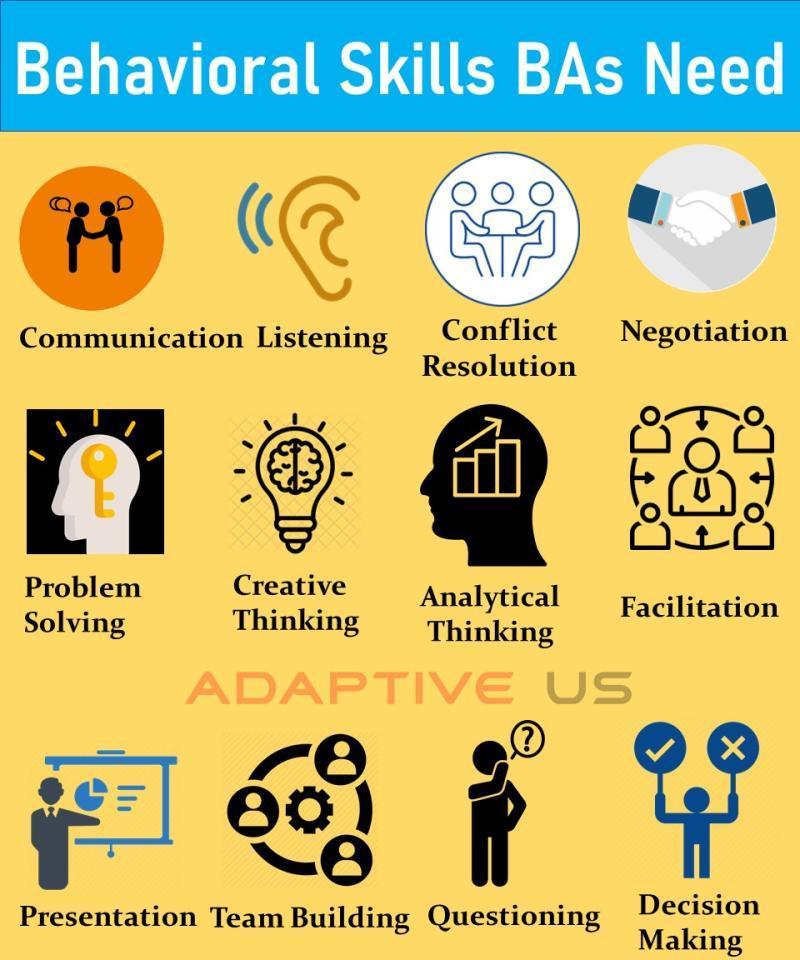
Succeeding as an Assessment Analyst in education technology requires a unique blend of technical, analytical, and interpersonal skills. Here are the most vital skills you’ll need:
- Data Analysis: Proficiency with data analysis tools such as Excel, SPSS, R, or Python for statistical evaluation of assessment results.
- Attention to Detail: Ensuring the accuracy and integrity of data, from collection to reporting.
- Technical Proficiency: Familiarity with education technology systems,learning management systems (LMS),and database management.
- Communication: Strong written and verbal communication skills to convey complex data in accessible ways to educators and administrators.
- Problem-Solving: Ability to identify trends, pinpoint areas for improvement, and recommend actionable solutions.
- Project Management: Managing multiple assessment projects together and meeting institutional deadlines.
- Collaboration: Working effectively with cross-functional teams, including academic departments, IT staff, and institutional researchers.
Typical Work Habitat and Tools
Assessment Analysts find employment in a variety of educational settings, including:
- Universities and colleges
- K-12 schools and districts
- Educational agencies and accrediting bodies
- Education technology (EdTech) companies supporting assessment systems
Tools an Assessment Analyst might use include:
- LMS platforms: Blackboard, Canvas, Moodle
- survey software: Qualtrics, SurveyMonkey, google Forms
- Data analytics tools: SPSS, R, SAS, Microsoft Excel
- Reporting tools: Tableau, Power BI
Education and Certification Requirements
Most Assessment Analyst roles in education technology settings require:
- Bachelor’s degree in Education, Data Science, statistics, Psychology, or a related field
- Master’s degree or relevant certification preferred for advanced or university-level positions
- Certifications in data analysis (such as Microsoft Excel Expert, Tableau, or SAS Certification)
- Optional: Specialized certifications in assessment, such as the Certified Assessment and Accreditation Professional (CAAP)
career Path: From Entry-Level to Expert
Becoming an Assessment Analyst opens up numerous opportunities for growth in education technology at universities, colleges, and schools. Your career trajectory might look like this:
- Entry-Level Positions: Assessment Assistant, Data Analyst, Institutional Research Assistant
- Mid-Level Roles: Assessment Analyst, Institutional Assessment Coordinator, Program Evaluation Specialist
- Senior-Level Opportunities: Assessment Manager, Director of Assessment, Director of Institutional research, Director of EdTech Assessment Solutions
With experience, you could also transition into broader educational administration, policy development, curriculum design, or edtech product management roles.
Benefits of a Career as an Assessment Analyst
Pursuing a role as an Assessment Analyst in education technology offers many benefits:
- High impact: Drive meaningful improvements in education quality and student learning outcomes.
- Continuous learning: Remain at the forefront of EdTech innovations and assessment methodologies.
- Career flexibility: Opportunities across K-12, higher education, research agencies, and EdTech companies.
- Professional networking: Collaborate with educators, administrators, and technology specialists.
- Job stability: Demand is growing for data-driven decision-making in education settings.
- Competitive compensation: Especially at universities and well-funded schools or in EdTech startups.
Practical Tips for Landing an Assessment Analyst Job
Are you ready to become an Assessment Analyst? Here are some practical steps to help you stand out in the competitive education technology job market:
- Gain relevant experience: Volunteer or intern in education data analysis,institutional research,or curriculum evaluation projects.
- Develop technical skills: Learn at least one data analysis tool (Excel, SPSS, R), familiarize yourself with LMS platforms, and enhance your reporting capabilities with visualization tools like Tableau or Power BI.
- Build a strong portfolio: Document your analytical projects, data reports, and assessment designs to showcase your expertise to potential employers.
- Network: Attend education technology conferences, webinars, and job fairs to connect with professionals in the field and learn about emerging opportunities.
- Customize your resume: Tailor your resume and cover letter to highlight analytical,technical,and communication skills relevant to assessment roles.
- Stay current: Follow influential EdTech blogs, research journals, and professional organizations to remain updated on trends and best practices.
- Prepare for interviews: Practice presenting complex data in simple terms and sharing examples of how your work led to educational improvements.
Future Trends in Assessment Analysis
The landscape of assessment analysis in education technology is rapidly evolving. Here are some of the key trends shaping the future of the Assessment Analyst role:
- AI and machine learning: Using predictive analytics to forecast student performance and design adaptive learning interventions.
- Data visualization: Making assessment data more accessible through interactive dashboards and graphical reporting tools.
- Competency-based education: Shifting from traditional grading to skills-based assessment models.
- Remote assessment tools: Increased use of online proctoring and digital assessment platforms in response to remote and hybrid learning trends.
Conclusion: Why Pursue a Career as an Assessment Analyst?
A role as an Assessment Analyst in education technology at universities, colleges, or schools is perfect for analytical thinkers who are passionate about education and technology. You’ll make a tangible impact on student success by leveraging data to drive change and innovation in academic institutions. With demand for assessment expertise on the rise, now is the ideal time to build the skills and experience you need to embark on this rewarding career path. embrace the opportunity to shape the future of learning and help educational institutions achieve excellence through data-informed strategies.
If you’re ready to combine your love for education and technology, the Assessment Analyst role could be your perfect fit in the fast-growing field of EdTech.