
Assessment Analyst: Role, Responsibilities, Skills, and Career path Explained
As the landscape of education technology continues to evolve, schools, colleges, and universities are increasingly relying on robust tools to measure student learning and institutional effectiveness. At the heart of this transformation is the Assessment Analyst – a critical edtech professional responsible for evaluating educational outcomes, optimizing assessment strategies, and contributing to academic excellence. If you’re eager to pursue a fulfilling career in education technology, understanding the role of an Assessment Analyst is essential.
Introduction to the Assessment Analyst Role
The Assessment Analyst is a pivotal member of the academic and administrative teams within educational institutions. This role blends data analysis, educational theory, and technology to design, implement, and interpret assessments used to measure student performance, program effectiveness, and compliance with accreditation standards. From supporting faculty in test creation to summarizing research for institutional decision-makers, assessment analysts play a vital part in shaping modern education.
What is an Assessment Analyst?
An Assessment Analyst, sometimes called an Educational Assessment Specialist or Institutional Research Analyst, works within schools, colleges, and universities. They oversee the strategy and execution of assessments, ensuring that tests, surveys, and evaluation tools accurately measure learning objectives and support educational goals. Working closely with educators, administrators, and technology experts, they harness data analytics and EdTech platforms to inform policy, refine programs, and improve student outcomes.
Core Responsibilities of an Assessment Analyst
A career as an Assessment Analyst in education technology involves a diverse set of responsibilities. below is a breakdown of the primary duties:
- Designing Assessment Tools: Develop valid and reliable tests, rubrics, and surveys to measure student learning, faculty performance, and institutional effectiveness.
- Data Collection and Management: Implement strategies for gathering assessment data, using Learning Management Systems (LMS), online survey platforms, and other edtech tools.
- Data Analysis: Apply statistical and analytical methods to interpret assessment results,identify trends,and generate actionable insights.
- Reporting and Documentation: Create detailed reports for faculty,governance,and accrediting bodies; present findings in clear,meaningful formats.
- Compliance and Accreditation: ensure that assessments align with national, state, and institutional standards for educational quality and regulatory compliance.
- Continuous Advancement: Collaborate with academic departments to review assessment data, identifying gaps and recommending improvements in curriculum or instruction.
- training and Support: Educate faculty and staff on assessment tools, data interpretation, and best practices in educational measurement.
- Technology Integration: Evaluate and implement new educational technologies in assessment procedures, staying current with latest edtech trends.
Key Skills and Qualifications for Assessment analysts
Employers in education technology seek candidates with a mix of technical, analytical, and interpersonal abilities. essential skills and qualifications for aspiring Assessment Analysts include:
- Educational background: Bachelor’s or master’s degree in education, statistics, psychology, or related field; advanced degrees may enhance career prospects.
- Analytical Skills: Strong proficiency in statistical analysis, data visualization, and educational research methodologies.
- Technical Proficiency: Experience with data management platforms, statistical software (like SPSS, SAS, R), and EdTech tools (LMS, assessment platforms).
- Communication skills: Ability to present complex data to diverse audiences (faculty, administrators, students), and write complete reports.
- Problem-Solving: Talent for identifying assessment challenges and recommending practical solutions for improvement.
- Project Management: Capable of overseeing multiple assessment projects and coordinating with various stakeholders.
- Attention to Detail: Commitment to ensuring accuracy, reliability, and validity in all assessment procedures.
- Collaboration: Ability to work effectively within cross-functional teams in educational settings.
Certifications That Enhance Your Career
While not always mandatory, earning certifications can boost your credentials and expertise. Consider:
- Certified Assessment Practitioner (CAP)
- Measurement and Evaluation certifications from recognized educational organizations
- Data Analysis certifications (Microsoft, Google, SAS)
Benefits of Working as an Assessment Analyst in edtech
Pursuing a job as an Assessment Analyst in education technology brings a multitude of advantages:
- Impactful Work: Directly influence educational quality and student success through data-driven initiatives.
- Professional Growth: Opportunities for advancement into leadership roles within academic institutions or EdTech companies.
- Technological Exposure: Work with cutting-edge assessment platforms and data analytics tools.
- Collaborative Environment: Engage with faculty, administrators, and technology professionals in dynamic teams.
- Job Stability: High demand in both K-12 and higher education sectors as data-driven decision making becomes essential.
- Lifelong Learning: Continuous professional development through training, conferences, and industry certifications.
Typical Career Path and Advancement Opportunities
Assessment Analysts enjoy diverse career trajectories in education technology. Notable steps in their career path may include:
- Entry-Level Analyst: Focus on data management, basic reporting, and support for assessment projects under senior supervision.
- Mid-Level Analyst/Specialist: Lead assessment initiatives, manage projects, and present findings to academic committees.
- Senior Assessment Analyst or Coordinator: Oversee comprehensive assessment programs, supervise junior staff, and participate in strategic planning.
- Assessment Manager or Director: Develop institutional assessment strategy, contribute to accreditation reviews, and liaise with school leadership.
- Higher Education Consultant or EdTech Product Specialist: Advise on best practices in educational measurement and technology integration across multiple institutions.
Transitioning into related fields such as Instructional Designer, Data Scientist, or educational Researcher is also common for professionals seeking broader opportunities within education technology.
Practical Tips for Job Seekers Interested in Assessment analyst Roles
- Build a Strong Foundation: Pursue relevant academic credentials, emphasizing coursework in statistics, educational measurement, and technology.
- Gain Experience: Seek internships, part-time roles, or volunteer positions in institutional research or assessment offices.
- Master EdTech Tools: Familiarize yourself with learning management systems, assessment software, and data visualization platforms commonly used in schools and universities.
- create a Professional Portfolio: Compile sample reports, assessment designs, and project summaries to showcase your capabilities to potential employers.
- Network Actively: Join professional organizations such as the Association for Institutional Research (AIR) or attend EdTech conferences to meet industry experts.
- Stay Updated: Regularly read about emerging trends in education technology and assessment methodologies to maintain your competitive edge.
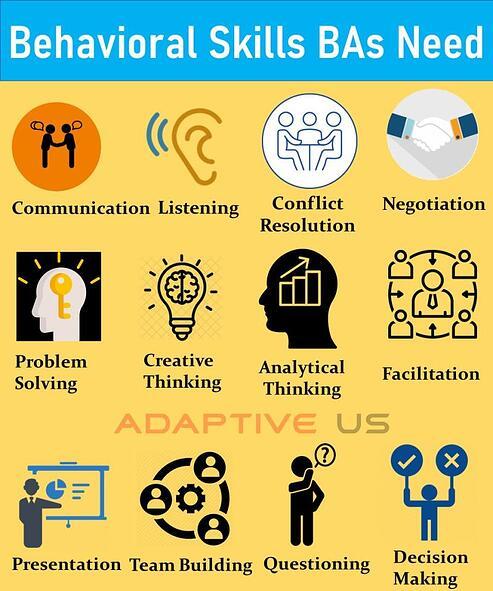
- highlight Soft Skills: Emphasize communication, teamwork, and problem-solving abilities in your resume and interviews.
Essential Tools and Technologies Used by Assessment Analysts
To excel in this EdTech role, Assessment Analysts leverage a variety of digital tools, including:
- Data Analytics Software: SPSS, SAS, R, Python
- LMS Platforms: canvas, Moodle, Blackboard
- Assessment Platforms: ExamSoft, Questionmark, google Forms
- Data Visualization Tools: Tableau, Power BI
- Survey Development: Qualtrics, SurveyMonkey
Proficiency in these platforms is highly desirable for Assessment Analysts seeking to maximize efficiency and provide actionable insights.
Conclusion: Why Pursue a Career as an Assessment Analyst in Education Technology?
An Assessment Analyst is an indispensable asset to any academic institution committed to data-driven teaching and learning. In this dynamic EdTech profession, you’ll blend educational expertise with analytical acumen, helping shape educational outcomes for students and educators alike. From designing innovative assessment tools to guiding policies at the highest institutional levels, the role offers critically important opportunities for impact, growth, and professional satisfaction.
Weather you’re beginning your journey in education technology or seeking to advance your career, preparing for an Assessment Analyst role will open doors to a fulfilling job where your skills directly contribute to better learning experiences and institutional success. Embrace continuous development, build your expertise, and join the movement transforming education through data-driven excellence.
Are you ready to make a difference as an Assessment analyst? Explore your career options in education technology today, and set yourself on a path to meaningful impact in the world of learning.