
Assistive technologies Transforming Learning: how Innovations Are Revolutionizing Education
In our rapidly evolving digital age, assistive technologies are reshaping teh landscape of education. By bridging gaps for learners with diverse needs, these innovative tools are fostering inclusive classrooms and empowering every student to reach thier fullest potential. In this article, we’ll delve into how assistive technology is transforming learning, explore key benefits and real-life examples, and share practical tips for educators looking to integrate these powerful solutions.
Introduction: The New Era of inclusive Learning
Education is a universal right, yet many students face barriers that can limit their academic progress.Thanks to advances in assistive technologies in education, these obstacles are being dismantled. From text-to-speech software to AI-driven personalized learning platforms, the latest edtech innovations are enabling teachers and students to collaborate, communicate, and achieve more than ever before.
What Are Assistive Technologies?
Assistive technologies (AT) refer to any device, software, or equipment designed to help people overcome learning challenges related to disabilities or individual learning differences. These technologies range from low-tech solutions,like pencil grips,to high-tech marvels such as eye-tracking communication devices and adaptive learning apps.
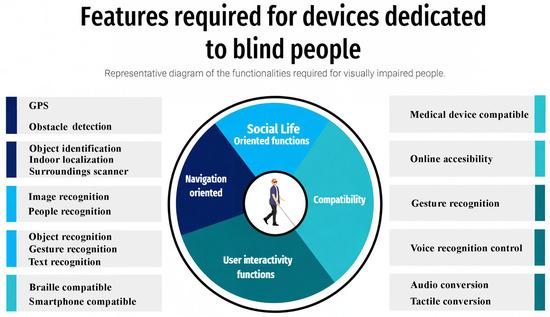
- Text-to-Speech (TTS) Software: Reads digital and printed text aloud, helping students with dyslexia or visual impairments.
- Screen Readers: Provide auditory descriptions of on-screen content,supporting visually impaired learners.
- Speech Recognition Tools: Convert spoken language into text, assisting those with physical disabilities or writing difficulties.
- Augmented & Virtual Reality (AR/VR): Offer immersive learning experiences for diverse learners.
- closed Captioning & Subtitling: Make audio-visual content accessible for hard-of-hearing students.
- Communication Boards & Apps: Empower non-verbal or limited-verbal students to express themselves.
- Adaptive Learning Platforms: Use AI to customize lessons based on individual abilities and needs.
How Assistive Technologies Are Revolutionizing Education
The integration of assistive technology into the classroom isn’t just about compliance—it’s about empowerment and innovation.Here’s how these cutting-edge tools are bringing profound change:
1. Personalizing the Learning Experience
AI-driven learning platforms can now analyze students’ strengths and weaknesses, crafting personalized curriculums that adapt in real time. Students receive targeted support, which boosts engagement and accelerates progress.
2. Enhancing Accessibility
Accessibility is at the heart of assistive technologies in education. Tools like TTS, braille readers, and real-time translation apps ensure that language, physical, or sensory barriers are minimized—making learning materials accessible to all students.
3. encouraging Independence and Confidence
When students can use technology to navigate their learning independently, their confidence soars.For example, voice-to-text applications help students with dysgraphia or motor challenges to write essays and participate in classroom discussions with ease.
4. Supporting Teachers and Simplifying differentiation
Teachers are leveraging edtech tools to differentiate instruction effortlessly. Automated feedback, progress monitoring, and customizable resources save time and support dynamic, student-centered instruction.
Key Benefits of Assistive Technologies in Learning
- Inclusivity: Ensures that every learner—irrespective of ability—can participate fully in the educational experience.
- Improved Academic Outcomes: Personalized supports often lead to better grades,higher test scores,and greater content retention.
- Enhanced Engagement: Interactive and adaptive tools make learning more enjoyable and meaningful.
- Greater Independence: Students gain the autonomy to work and learn at their own pace.
- Teacher Efficiency: Streamlined differentiation and progress-tracking allow teachers to focus on meaningful instruction.
Case Studies: Assistive Technology Making a Difference
Case Study 1: Dyslexia and Text-to-Speech Technology
At Oakwood Middle School, educators implemented text-to-speech software for students struggling with dyslexia. The result? Reading comprehension scores increased by 28% in a single semester, and students reported greater confidence in classroom participation.
Case Study 2: Communication Apps for Non-Verbal Learners
At a leading inclusive primary school,non-verbal students received tablets equipped with specialized communication apps. One student, Maria, was able to express her needs and ideas for the first time—leading to improved social interaction and academic progress.
Case Study 3: VR for Immersive Science Lessons
A high school science department introduced virtual reality (VR) modules to teach complex biology concepts. Students with ADHD and autism spectrum disorder found it easier to stay engaged and retain facts through hands-on, visual simulations.
Practical Tips: Integrating Assistive Technology in the Classroom
- Conduct Needs Assessments: Work with special education coordinators to identify students’ unique needs and select the right assistive tools.
- Provide Training & Support: Both teachers and students should receive hands-on training to maximize the benefits of new technology.
- Start Small and Scale: Pilot new tools with a small group before rolling them out school-wide.
- Encourage Student Choice: Let students trial different technologies to find what works best for them.
- Maintain Open Communication: Regularly gather feedback from students, parents, and teachers to ensure technology is meeting learners’ evolving needs.
- Ensure Accessibility Compliance: Use tools that align with established accessibility standards like WCAG and Section 508.
- Leverage Funding and Grants: Explore government and private grant options to make assistive technology more affordable and lasting.
Overcoming Challenges in Assistive technology Adoption
While the benefits are substantial, schools still face some challenges in implementing assistive technologies:
- cost: High-tech solutions can be expensive. Prioritizing needs and seeking partnerships or grants helps alleviate budget concerns.
- Resistance to Change: Ongoing professional advancement and sharing success stories can address skepticism among staff and families.
- maintaining Privacy: Ensure selected platforms comply with privacy regulations (like FERPA and GDPR) to safeguard student data.
Tip: Involve all stakeholders, from IT staff to parents, in the adoption process for smoother implementation and sustained success.
The Future of Assistive Technologies in Education
Emerging technologies promise even greater advances for inclusive education. Look for AI-driven tutoring systems, gesture-based interfaces, brain-computer interfaces, and augmented reality (AR) to become common in tomorrow’s classrooms. As the edtech revolution continues,educators will have more tools than ever to support student achievement and well-being.
Conclusion: Empowering learners and Educators
The adoption of assistive technologies is transforming learning in schools,universities,and training centers worldwide. By embracing these innovations, educators can break down barriers, level the playing field, and cultivate a truly inclusive learning environment. As assistive technology continues to revolutionize education, every student—regardless of their abilities—has the opportunity to shine.
Ready to get started? Explore the latest assistive technology resources on our website and unlock the potential in every learner!