
Associate Product Manager in Education Technology: Key Responsibilities, Skills, and career Path
Introduction
The education sector is undergoing rapid technological change, making it an exciting time for professionals aspiring to merge their passion for education and innovation. Universities, colleges, and schools increasingly rely on advanced EdTech solutions to enhance teaching, learning, and administrative efficiency. Among the pivotal roles shaping these solutions is the Associate Product Manager (APM). If you are looking to break into education technology as an Associate product Manager,this comprehensive guide will walk you through the key responsibilities,required skills,benefits,and career progression opportunities in this dynamic field.
What is an Associate Product Manager (APM) in Education Technology?
An Associate Product Manager in the education technology sector supports the full lifecycle of digital products used within educational institutions. From ideation and development to launch and optimization, APMs work collaboratively with technical teams, educators, and stakeholders to ensure products deliver value, meet end-user needs, and align with institutional goals. Whether working on a Learning Management System (LMS), student performance dashboard, or administrative tool, APMs are critical drivers of innovation in academic settings.
key Responsibilities of an Associate product Manager in Education Technology
The specific responsibilities of an Associate Product Manager may vary based on the institution and product type, but typically encompass the following:
- Market Research & User Insights: Conduct market analysis and gather feedback from faculty, students, administrators, and other stakeholders to identify opportunities for product advancement.
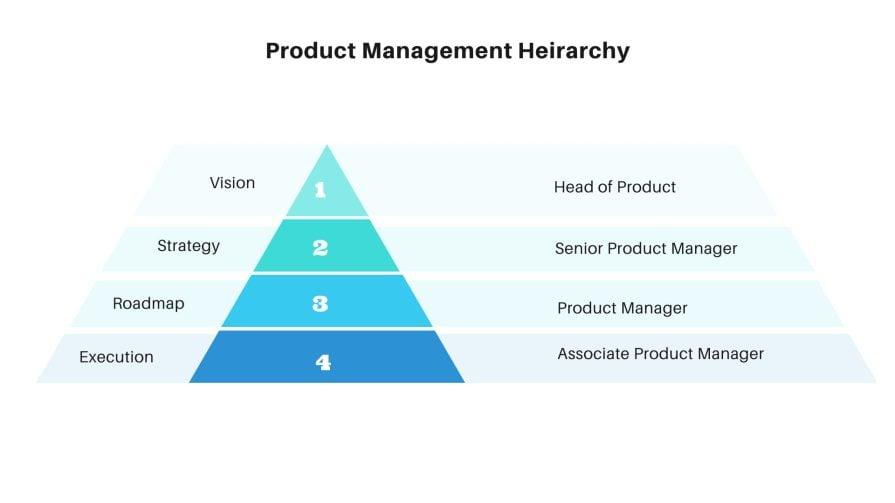
- Product Planning: Assist in defining product vision, strategy, and roadmap in alignment with institutional goals and user needs.
- Requirement Gathering: Translate educational challenges into actionable product features by creating user stories, product requirements documents, and wireframes.
- Collaboration: Work closely with cross-functional teams, including engineering, design, content, marketing, and support, to ensure smooth product development cycles.
- Project Management: Help prioritize tasks, track progress, and coordinate resources to deliver product releases on schedule.
- product Testing: Participate in product testing and quality assurance to ensure new features are user-pleasant, functional, and error-free.
- Data Analysis: Monitor product metrics and analyze user behavior to inform decision-making and guide future development.
- Stakeholder Interaction: Present updates, product demos, and data-driven insights to stakeholders across departments.
- Continuous Improvement: Solicit and analyze user feedback post-launch to implement iterative enhancements and ensure product excellence.
Essential Skills for an Associate Product Manager in EdTech
Succeeding as an Associate Product Manager in education technology requires a unique blend of technical expertise, educational insight, and interpersonal skills. Some of the most crucial skills and qualities include:
- Analytical Thinking: Ability to interpret data, user feedback, and research to make informed product decisions.
- Communication: Effective written and verbal communication for bridging the gap between educators, technical teams, and business stakeholders.
- Project Management: Competence in agile methodologies, time management, and balancing multiple priorities.
- Technical Acumen: Familiarity with software development processes, UX/UI best practices, and emerging EdTech trends.
- User-Centered Mindset: Empathy for the needs and experiences of students, teachers, and administrators.
- Collaboration: Ability to work cross-functionally and encourage diverse teams towards shared goals.
- Problem-Solving: Creativity and persistence in overcoming obstacles and finding innovative solutions to complex educational challenges.
- Attention to Detail: Diligence in identifying potential issues and ensuring high product quality.
Career Path: How to Become an Associate Product Manager in Education Technology
interested candidates frequently enough wonder how to start and build their career as an Associate Product Manager in universities, colleges, or schools. While specific pathways may vary, here are typical steps:
- Educational Background: Most APMs hold a bachelor’s degree in fields such as business, education, computer science, or related disciplines. Some positions may prefer or require a master’s degree, notably in education, instructional design, or technology management.
- Relevant Experience: Experience in teaching, educational management, software development, or EdTech support can be invaluable. Internships or entry-level roles in educational product support,QA,or customer success also provide relevant exposure.
- Acquire Product Management Skills: Building foundational skills in product management through certifications, online courses, or hands-on projects is highly beneficial.
- Portfolio Development: Showcase yoru involvement in product launches, user research, or technology initiatives in the education sector through a well-crafted portfolio.
- Networking: Engage with EdTech communities, attend conferences, and connect with professionals working at universities, colleges, or K-12 EdTech companies.
- Targeted Job Submission: Tailor your resume and cover letter to highlight your blend of education and product management skills, and demonstrate your passion for improving academic outcomes through technology.
Benefits of Working as an Associate Product Manager in Education Technology
Choosing a career as an Associate Product Manager in education technology offers a variety of professional and personal benefits:
- Meaningful Impact: Shape digital products that directly contribute to better learning outcomes and operational efficiency in education.
- Continuous learning: Work at the intersection of technology and education, fostering opportunities to learn about new trends and approaches.
- Career Growth: The experience gained in product management roles can lead to advancement as a Product Manager,Senior product Manager,or even Director of Product within EdTech organizations or institutions.
- Work-Life Balance: Many jobs in university and school environments offer generous holidays and flexible work arrangements.
- Collaborative Culture: Join interdisciplinary teams passionate about delivering real value and innovation to educators and learners.
Practical Tips for Landing an Associate Product Manager Position in EdTech
Breaking into the competitive field of educational product management is achievable with strategic planning and dedication. Here are some practical tips:
- Stay Informed: Keep up with the latest trends in EdTech, including AI in education, adaptive learning platforms, and student analytics.
- Leverage Transferable Skills: Identify skills from your background (teaching, IT support, curriculum design, etc.) that apply to product management roles.
- Show Passion for Education: Demonstrate genuine interest in improving teaching and learning through technology in your application materials and interviews.
- Get Certified: Consider enrolling in product management or EdTech-specific certification programs to boost your credentials.
- prepare for Interviews: Practice explaining how you would solve real product challenges faced by universities or schools, focusing on both technical and user experience aspects.
- Network Effectively: Don’t underestimate the power of referrals and professional connections. Engage with educational institutions through volunteer projects or EdTech events.
- Build a Portfolio: Even simulated projects, case studies, or side projects that showcase your problem-solving abilities and product sense can make your application stand out.
key Differences: APM Roles in Universities vs. Schools vs. EdTech Companies
While the foundational aspects of the Associate Product Manager role remain consistent, there are some key differences depending on the organizational setting:
- Universities/Colleges: Typically, products support higher education needs (e.g., student enrollment, research, campus management). Stakeholder complexity and scale are often greater.
- Schools (K-12): Products may focus more on classroom engagement, teacher support, and parental communication. Emphasis is on accessibility, compliance, and direct classroom impact.
- EdTech Companies: May serve both higher education and K-12 markets. APMs work with broader client bases, iterate quickly based on market demand, and often face fierce competition and rapid product cycles.
Conclusion
A career as an Associate Product Manager in education technology at universities, colleges, or schools is both impactful and rewarding. As academic institutions continue to prioritize digital transformation, the demand for skilled product managers who understand both technology and education is set to rise. By honing the right mix of skills, staying curious about emerging trends, and demonstrating your passion for improving learning outcomes, you can successfully carve your path into this dynamic field. Whether you are just starting out or considering a career pivot, the opportunities for growth and contribution in EdTech product management are immense—making now a great time to embark on this professional journey.