
Associate Product Manager: Key Roles, Responsibilities & Career Guide in Education Technology
education technology (edtech) is revolutionizing the way universities, colleges, and schools operate and deliver learning experiences. For those passionate about the intersection of technology and education,a career as an Associate Product Manager (APM) in edtech offers exciting growth opportunities,meaningful work,and the chance to shape the future of learning. This comprehensive guide explores everything job seekers need to know about Associate Product Manager roles within education technology at academic institutions.
What is an Associate Product Manager in Education Technology?
An Associate Product Manager (APM) is an entry- to mid-level professional who assists with the ideation, advancement, and management of technology products designed to enhance academic environments.In universities, colleges, and K-12 schools, these products can range from learning management systems (LMS) and online assessment tools to campus management platforms and innovative edtech applications.the APM role is ideal for those looking to develop a strong foundation in product management while making a tangible difference in education.
Key Roles of an Associate Product Manager in EdTech
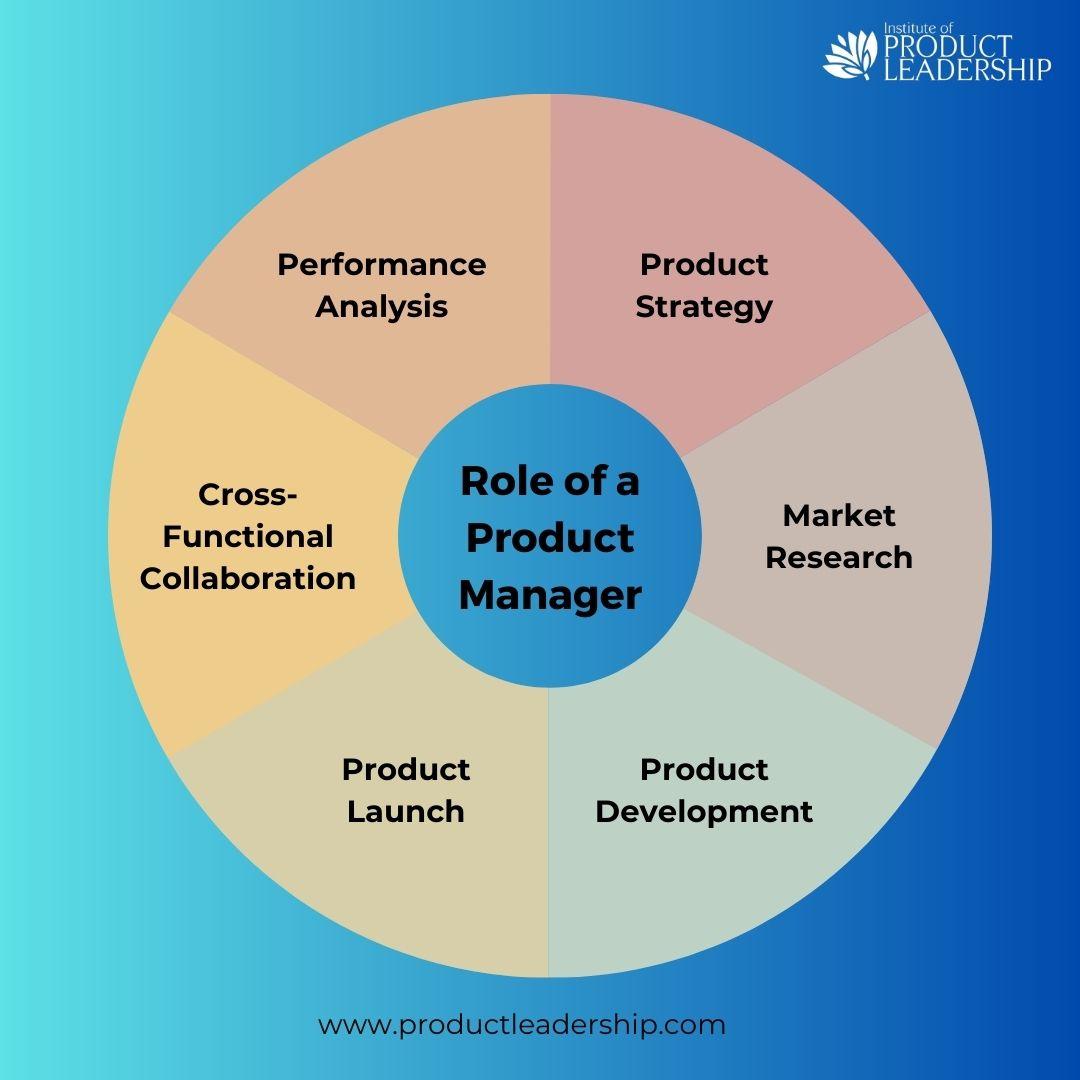
At its core, the associate Product Manager position within educational institutions focuses on bridging the gap between pedagogy and technology. Key roles include:
- Collaborating: Work with cross-functional teams including engineering, design, curriculum experts, faculty, and students.
- Support Product Lifecycle: Participate in each phase of the product lifecycle, from finding and ideation to launch and enhancement.
- User Advocacy: Serve as the voice of teachers, administrators, and students to ensure products meet real-world educational needs.
- Market and User Research: Conduct market analysis and gather feedback to guide product improvements and innovation.
- Project Coordination: Ensure projects stay on track by assisting with timelines, interaction, and task tracking.
- Data Analysis: Interpret data on product usage, adoption, and learning outcomes to inform decision-making.
- Training and Support: Help with product demos, training sessions, and documentation to facilitate user onboarding.
Core Responsibilities of Associate product Managers in Universities, Colleges, and Schools
While responsibilities can vary based on the size and structure of the educational institution, most Associate Product Managers in edtech will:
- Define and Refine Requirements: Translate educational needs into product features and functional specifications.
- Conduct Stakeholder Interviews: Gather valuable insights from faculty,administrative staff,and students to uncover pain points or opportunities for enhancement.
- Prioritize Backlogs: Assist senior product managers in managing product backlogs, ensuring the most impactful features are developed frist.
- Monitor Product Performance: Use analytics platforms to measure product effectiveness, identify trends, and make data-driven recommendations.
- Create User Stories and Test Cases: Develop clear user stories and assist in quality assurance to deliver user-friendly solutions.
- Support Product Launches: Help coordinate communication, training, and documentation for new product releases or updates.
- Stay Current with EdTech Trends: Continuously research advancements in technology and best practices in pedagogy that can enhance the institution’s digital offerings.
Essential Skills and Qualifications
Pursuing an associate Product Manager role in education technology requires a blend of technical, analytical, and interpersonal skills. Key requirements include:
- Educational Background: A bachelor’s degree in computer science, education, business, or related fields is typically preferred.
- technical Proficiency: Basic understanding of software development, user experience, and digital platforms.
- Analytical Ability: capability to interpret data,measure success,and derive actionable insights.
- Communication Skills: Comfortable translating complex concepts for diverse stakeholders (educators, engineers, students).
- Collaboration: Willingness and ability to work effectively within cross-functional teams.
- Curiosity: Passion for learning, staying informed about new technologies, and understanding educational challenges.
- Project Management: Experience with Agile, Scrum, or similar methodologies is advantageous.
- User-Centric mindset: Desire to build products that improve learning outcomes and empower users.
Preferred Experience
- Internships or projects in product management or edtech.
- Experience with analytics, conducting user research, or managing small technology projects.
- Exposure to the educational sector, either as a student, teaching assistant, or support staff member.
The Career Path: Growth Opportunities in EdTech Product Management
Starting as an Associate Product Manager in education technology is an excellent way to launch a dynamic and impactful career. Typical progression for successful APMs includes:
- Product Manager: Lead product teams, own the roadmap, and drive strategic decision-making.
- Senior Product Manager: Take charge of complex product lines or multiple products, mentor junior PMs, and influence organizational strategy.
- Director of Product (or similar): Oversee multiple product teams, shape the long-term vision, and align products with institutional goals.
- Head/Vice President of Product: lead the entire product organization, participate in executive-level planning, and champion transformative projects across the institution.
Other career pivots include roles in user experience, project management, innovation strategy, or even starting your own edtech venture.
Benefits of Working as an Associate Product Manager in Education Technology
The role of Associate Product Manager at universities, colleges, or schools offers several unique benefits:
- Impact: Directly influence how students learn and educators teach, making a positive difference in academic communities.
- Professional Growth: Develop valuable, transferable skills across technology, management, and education.
- Innovation: Work on cutting-edge projects at the intersection of AI, data analytics, personalized learning, and digital engagement.
- Networking: Collaborate with thought leaders and innovators in both the education and tech industries.
- Job Security: Demand for edtech product managers grows as digital conversion accelerates in education.
- Work-Life Balance: Many academic institutions offer flexible work arrangements and a mission-driven culture.
Practical Tips to Land an Associate Product Manager role in EdTech
Securing an APM position at a university, college, or school requires planning and strategic networking.Use these tips to stand out:
- Build Foundational Skills: Take online courses or certifications in product management, UX/UI design, or Agile methodologies.
- Gain Relevant Experience: Pursue internships, volunteer projects, or freelance work related to edtech or technology management.
- Showcase Your Passion: Attend edtech conferences, webinars, or online communities to stay informed and build your network.
- Create a Portfolio: Document case studies, product ideas, or prototypes to demonstrate your problem-solving and design thinking abilities.
- Research target Institutions: Study the specific challenges, technologies, and goals of potential employers to tailor your resume and cover letter.
- Prepare for Interviews: Be ready to discuss how you would approach user research, prioritize features, or measure the impact of an edtech product.
- Emphasize Communication: Highlight experiences where you have explained complex ideas, bridged technical and non-technical stakeholders, or facilitated collaboration.
frequently Asked Questions
Do I need a technical background to become an Associate Product Manager in edtech?
While not mandatory, a basic technical understanding is highly beneficial. Many APMs come from diverse backgrounds including education, business, or design, but a willingness to learn about technology is crucial.
What are the most commonly used tools for APMs in education technology?
Popular tools include Jira or Trello for task tracking, Slack or Microsoft Teams for communication, Google Analytics or Mixpanel for data, and user research platforms like SurveyMonkey or Typeform.
Is prior experience in education necessary?
Not required, but experience as a student, tutor, teaching assistant, or in academic management can set you apart.
Conclusion: Begin Your EdTech Product Management Journey Today
Pursuing an Associate Product Manager role in education technology offers a unique, rewarding career path for those interested in bridging the worlds of technology and learning. With the rapid adoption of digital solutions at universities,colleges,and schools,the demand for talented APMs continues to grow.By building your skills, gaining experience, and staying passionate about transforming education, you’ll be well-positioned for a fulfilling role shaping the future of academic innovation. Start your journey today and become an essential contributor to the edtech revolution!