
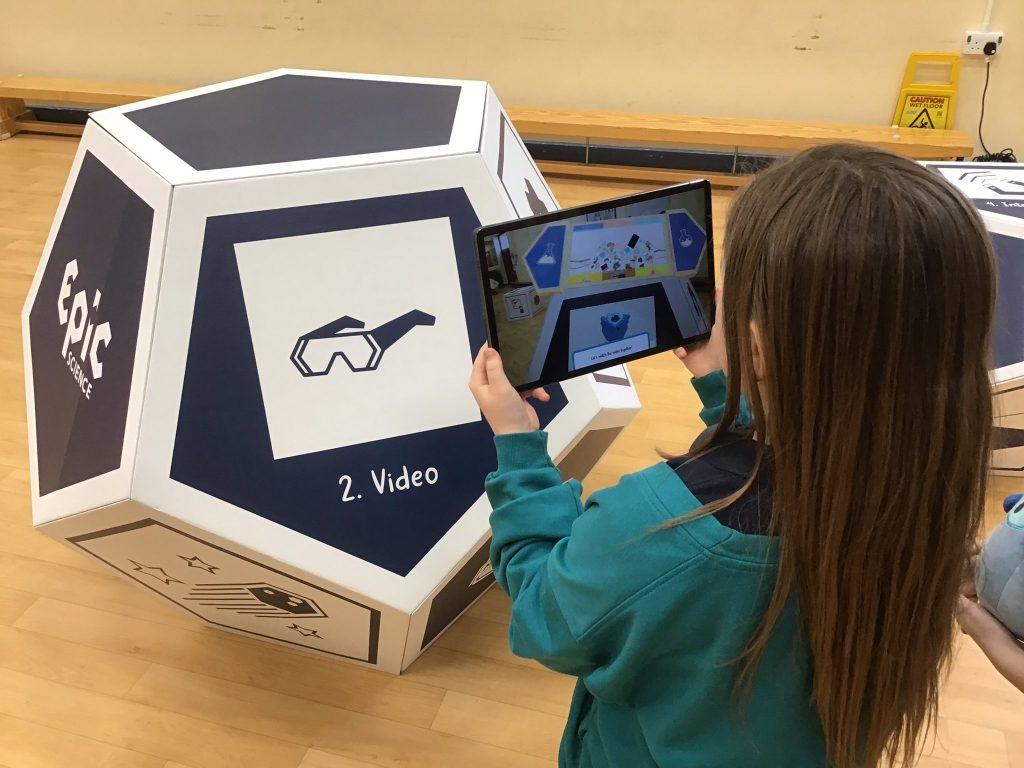
Augmented Reality in Textbooks: Shaping the Future of Education
In today’s rapidly evolving digital world, augmented reality in textbooks is emerging as a game-changer for modern education. By blending interactive digital content with printed materials, AR is making learning more immersive and engaging for students of all ages. As educational institutions seek innovative solutions to enhance student outcomes,AR-enhanced textbooks are capturing the attention of teachers,parents,and publishers alike.
What is Augmented Reality in Textbooks?
Augmented reality (AR) in textbooks refers to the integration of interactive, computer-generated elements into traditional printed books. Using a smartphone, tablet, or AR headset, students can scan images or codes on textbook pages to reveal videos, 3D models, quizzes, and other digital content.
- Immersive 3D visualizations of complex concepts
- Interactive simulations that reinforce learning
- Instant feedback and assessments through quizzes or activities
- Real-world context brought into the classroom
This innovative approach bridges the gap between physical and digital learning, fostering deeper understanding and long-term retention.
Key Benefits of augmented Reality in Textbooks
Integrating augmented reality into educational materials offers a wide range of advantages for students, educators, and publishers. Here’s how AR textbooks are shaping the future of education:
1. Enhanced Engagement
AR elements transform passive reading into an active learning experience. by bringing static diagrams and illustrations to life, students become more involved and curious.
2. Improved Knowledge Retention
Studies show that interactive and visual learning increases memory recall.AR experiences allow students to explore abstract concepts in memorable ways.
3.Personalized Learning Paths
With AR, students can control their pace, repeat challenging sections, and access supplementary materials tailored to their learning style.
4. Accessibility and Inclusion
AR textbooks can include audio descriptions, translations, and text-to-speech features, making content more accessible to students with diverse needs.
5.Real-World Skills Development
Hands-on simulations and practice environments better prepare students for real-life applications, whether in science labs, engineering, or medical training.
Real-World Case Studies: Success Stories of AR in Education
Educational institutions worldwide are embracing augmented reality in textbooks with remarkable results. Below are a few notable case studies that highlight its transformative power:
Case Study 1: Pearson’s AR Science Textbooks
Publishing giant Pearson partnered with AR developers to create science textbooks for middle and high school students. These textbooks allow learners to visualize chemical reactions and conduct virtual experiments, resulting in a 30% increase in test scores according to pilot studies.
Case Study 2: Anatomy Learning with AR in Medical Schools
Several medical schools have adopted AR-enhanced anatomy books. Students can explore 3D models of organs and body systems, manipulating them in real-time. This hands-on experience has led to improved spatial understanding and greater confidence in practical exams.
Case Study 3: Interactive History Textbooks in K-12 Education
In the United States, AR history textbooks bring past figures and events to life. Students can witness key moments in history through immersive storytelling, leading to higher engagement and increased empathy for historical events.
First-Hand Experience: A Teacher’s Perspective
“Introducing AR textbooks to my classroom revolutionized the way my students approached science topics. Rather of flipping through dense pages of text, they could actually see molecules combine or zoom into the structure of a cell. Even students who previously struggled with science became eager participants,” says Mrs. Thompson, a high school science teacher in Texas.
Teachers report that AR technology not only improves comprehension but also provides valuable data on student progress, helping them personalize instruction and support.
Practical Tips for Implementing AR in Textbooks
Thinking about integrating augmented reality in textbooks at your school or institution? Here are some practical tips for triumphant adoption:
- Choose the Right Platform: Opt for AR textbook publishers that are compatible with your school’s devices and infrastructure.
- Start Small: Pilot a few AR textbooks in select classes before full-scale implementation.
- Train Educators: Provide training sessions to help teachers leverage AR features effectively.
- Ensure Accessibility: Select AR content that includes accessibility enhancements for students with disabilities.
- gather Feedback: Continuously collect input from students and teachers to improve the AR learning experience.
Challenges and Future Prospects of AR in Education
While the benefits are significant, implementing AR in textbooks also comes with challenges:
- Cost of Devices: Schools require devices such as tablets or smartphones for every student, which may not be feasible everywhere.
- Technical Support: Ongoing maintenance of apps and hardware can strain IT resources.
- Teacher Training: Professional development is crucial to ensure effective classroom integration.
- Content Quality: Publishers must invest in creating accurate, pedagogically sound AR content.
Though, as technology becomes more accessible and affordable, and as educational publishers prioritize high-quality content creation, the future of augmented reality in education looks promising. Experts predict that AR will become a standard feature in classrooms worldwide within the next decade.
Conclusion: Embracing the Future with Augmented Reality Textbooks
Augmented reality in textbooks is quickly proving to be one of the most impactful educational innovations of our time. By merging the tactile experience of traditional learning with the dynamic potential of digital content, AR textbooks are empowering students, inspiring educators, and preparing the next generation for success in a digital world.
As you consider the path forward for your school, classroom, or educational institution, take advantage of the opportunities presented by AR-enabled textbooks. With thoughtful implementation and a commitment to continuous improvement, augmented reality can become a cornerstone of engaging, inclusive, and future-ready education.